

Good ventilation is the secret to a healthy house. It stops mould, clears smells, and makes heating or cooling work better. If you’re battling stale air, a noisy fan, or a heat pump that won’t blow warm air, you’re in the right place. Below are simple steps you can take right now, plus clear signs when it’s time to call an expert.
Most homes have at least one extractor fan in the kitchen or bathroom. When these fans hum loudly, wobble, or stop working, the problem is usually a blocked grille or a loose motor. Start by unplugging the fan, removing the cover and cleaning any dust or grease buildup. A vacuum or a brush works fine. If the motor still sounds odd after cleaning, tighten any loose screws and check the wiring for loose connections. Many issues are solved without a professional.
Another frequent complaint is uneven airflow from a heat pump. If the unit isn’t blowing warm air, the filter might be clogged, or the fan blades could be dirty. Turn off the power, open the filter compartment, and rinse the filter with water. Let it dry fully before reinstalling. Wipe the fan blades with a damp cloth. A clean filter and blades can restore proper airflow and improve heating efficiency.
Cold showers often point to a water heater problem rather than ventilation, but a poorly ventilated boiler room can cause overheating and safety risks. Make sure the boiler area has a dedicated vent or window that can stay open a crack. Check that the vent pipe isn’t blocked by debris or bird nests. A clear vent helps the boiler work safely and reduces the chance of carbon monoxide buildup.
If you’ve tried cleaning the fan and the unit still won’t run, or if you notice a burning smell, it’s time to call a qualified technician. Electric fans involve wiring that can be dangerous if mishandled. A professional will test the motor, replace worn parts, and ensure everything meets safety standards.
Heat pumps that refuse to heat even after cleaning may have a refrigerant leak or a faulty compressor. These issues require specialized tools and certification. Trying to fix them yourself can void warranties and cause further damage. Book a reputable repair service that knows how to handle both air‑source and ground‑source systems.
Boiler or water heater vents that seem blocked and won’t clear after a quick inspection should also be left to experts. Improper venting can lead to carbon monoxide poisoning, which is a serious health threat. A certified engineer will assess the vent pathway, clean it safely, and verify that the system is blowing out exhaust correctly.
In short, start with the easy fixes: clean filters, clear vents, tighten screws. If the problem sticks, don’t risk electric shocks or gas leaks—call a professional. Keeping your home’s ventilation in top shape not only protects your health but also saves you money on energy bills.
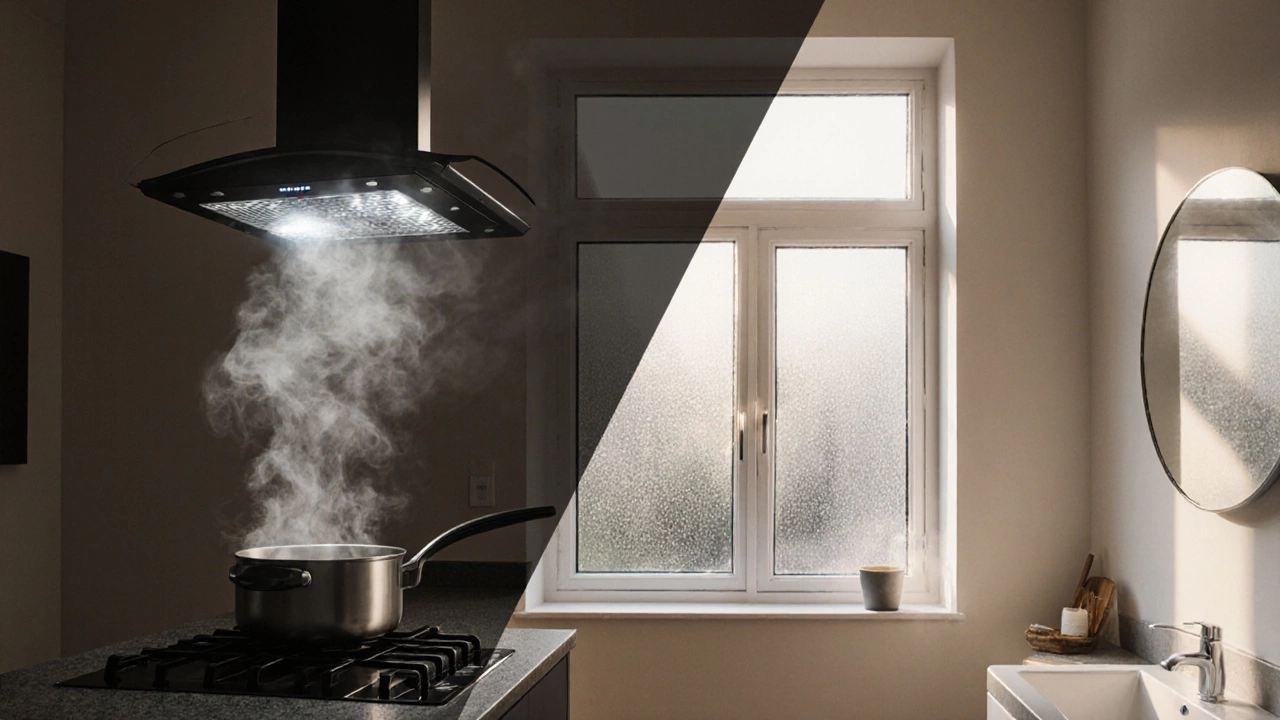
Explore whether you can live without an extractor fan, covering UK regulations, health risks, passive ventilation tricks, dehumidifier use, and when a mechanical fan becomes essential.

Wondering if you can change your kitchen extractor fan yourself? This guide covers steps, safety, tools, common mistakes, and installation tips for a smooth DIY experience.

Wondering how often you should replace your extractor fan? This article covers extractor fan lifespan, signs it's time for a change, maintenance tips, and why fresh air matters.

Extractor fans play a crucial role in maintaining the air quality of your home, yet often go unnoticed until issues arise. Regular servicing of extractor fans can prevent malfunction, improve efficiency, and extend the lifespan of the device. This article explores the importance of servicing extractor fans, signs that show when a service might be needed, and provides maintenance tips to keep these devices in tip-top condition. Learn how a well-maintained extractor fan can contribute to a healthier living environment.

Thinking about whether to repair an 8-year-old oven? This article digs into the real costs and benefits, from repair bills to how long ovens actually last. You'll get tips on diagnosing simple issues yourself, signs to look for before calling a pro, and how energy efficiency compares between old and new models. See how warranties, brand reputation, and parts availability impact the final call. Get advice that’s practical, straight-up, and doesn’t waste your time.

Wondering if your oven can hit the 20-year mark? This article digs into what really decides how long an electric oven lasts, from the make to how you treat it. Get real tips to keep yours running strong, spot early signs of trouble, and find out when repair is smarter than replacement. No fluff—just straight answers for anyone looking to save money and avoid surprise oven breakdowns. This is your guide to squeezing every last year out of your electric oven.
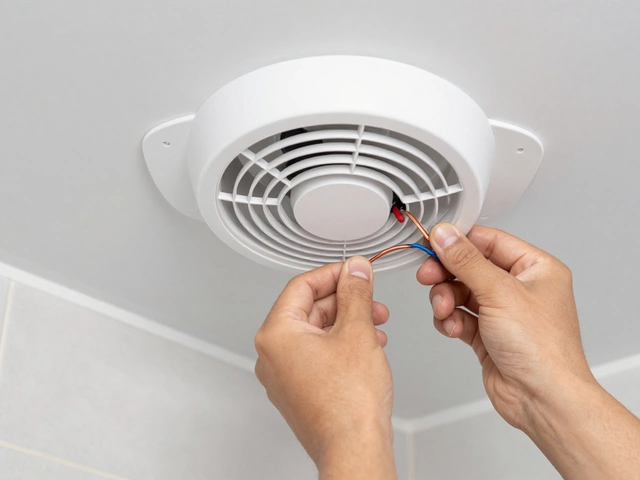
Wondering who should install your extractor fan? Learn when to hire an electrician, HVAC tech, or handyman for safe and efficient ventilation installation.

When your dryer suddenly stops working or leaves your laundry sopping wet, it’s tough to know what your best next step is. Should you call in a repair service, try a DIY fix, or bite the bullet and shop for a new one? This article breaks down the real costs, tells you what repairs make sense, and gives you actionable tips so you don’t spend more than you have to. It covers which common dryer issues can be fixed on a budget, when to say goodbye to a worn-out machine, and how to make smart decisions that save time, money, and hassle.

Thinking about replacing your electric oven on your own? This article breaks down what you need to know about doing it yourself— from basic safety to common pitfalls. Learn how tricky the process can get, which tools you might need, and when it's smarter to call a pro. Get tips to save money and avoid kitchen disasters. Designed for anyone who values a good meal and a working oven.