

Got a leaky fridge, a cold shower, or a heat pump that won’t warm the house? You’re not stuck waiting for a technician. Most common problems have simple steps you can follow right now. In this guide we’ll walk through quick fixes for kitchen gear, heating systems and hot‑water units, so you can decide when to DIY and when to call a pro.
Most kitchen appliances break for one of three reasons: a worn heating element, a faulty switch, or a blocked sensor. If your electric oven won’t heat, start by unplugging it, removing the back panel and checking the heating element for visible cracks. A multimeter set to ohms should read near zero; a higher reading means the element needs replacing. Swapping an oven element is a 15‑minute job with a screwdriver and a new part.
Stovetop burners that flare or stay cold often have a loose connection or a burnt coil. Turn off the power, pull the burner out, and look for burnt insulation. Clean any debris with a brush, then reseat the coil. For electric hobs, the same principle applies – a faulty element can be tested with a multimeter and replaced in under half an hour.
Fridges that run but don’t cool usually have a dirty condenser coil or a stuck fan. Pull the fridge away from the wall, vacuum the coil, and spin the fan by hand to ensure it moves freely. If the fan hums but doesn’t turn, it’s a cheap motor replacement away.
Heat pumps lose their punch when filters get clogged or refrigerant levels drop. First, turn off the unit and clean the air filters – a simple vacuum or wash does the trick. Next, check the outdoor fan for ice buildup; a gentle melt with warm water can restore airflow. If the pump still won’t blow warm air, the thermostat may need recalibration or the internal sensor could be faulty – that’s a job for a qualified HVAC tech.
Cold showers often trace back to a water heater that needs a flush. Sediment builds up over years and reduces heating efficiency. Shut off power, attach a garden hose to the drain valve, and let the tank empty. Open the cold‑water inlet for a minute to stir up remaining debris, then close it and refill. A yearly flush can add a decade to your heater’s life.
When a boiler makes strange noises or trips the reset button, look for low pressure or a blocked pressure relief valve. The pressure gauge should read between 1 and 1.5 bar when the system is cold. If it’s lower, bleed the radiators and top up the system using the filling loop. Persistent resets usually mean an internal fault that a Gas Safe engineer should inspect.
Remember, safety comes first. Always turn off power or gas before opening any appliance, and never attempt gas‑related repairs unless you’re certified. When a problem feels beyond a simple part swap, call a local professional – they have the tools and experience to avoid costly damage.
Keeping a basic toolkit – screwdrivers, pliers, a multimeter and a hose – plus a few common spare parts in your garage can save you time and money. With the right know‑how, many home repair tasks become quick chores rather than emergencies.
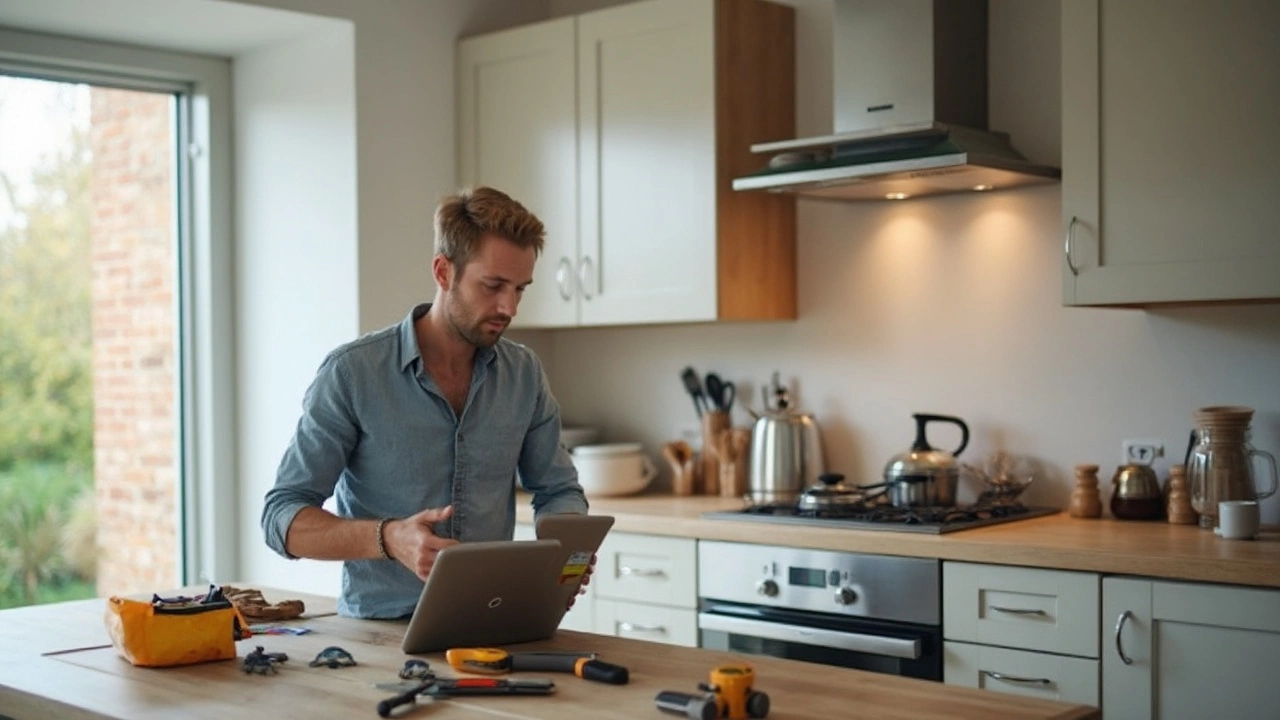
Thinking about swapping out your extractor fan? This article breaks down when you really need a licensed electrician and when you might handle it yourself. Learn what risks and rules are involved, plus some practical tips for a painless install. Get clear answers on costs, permits, and what can go wrong if you take shortcuts. If you want fast, safe, and lasting results, this guide walks you through everything step-by-step.
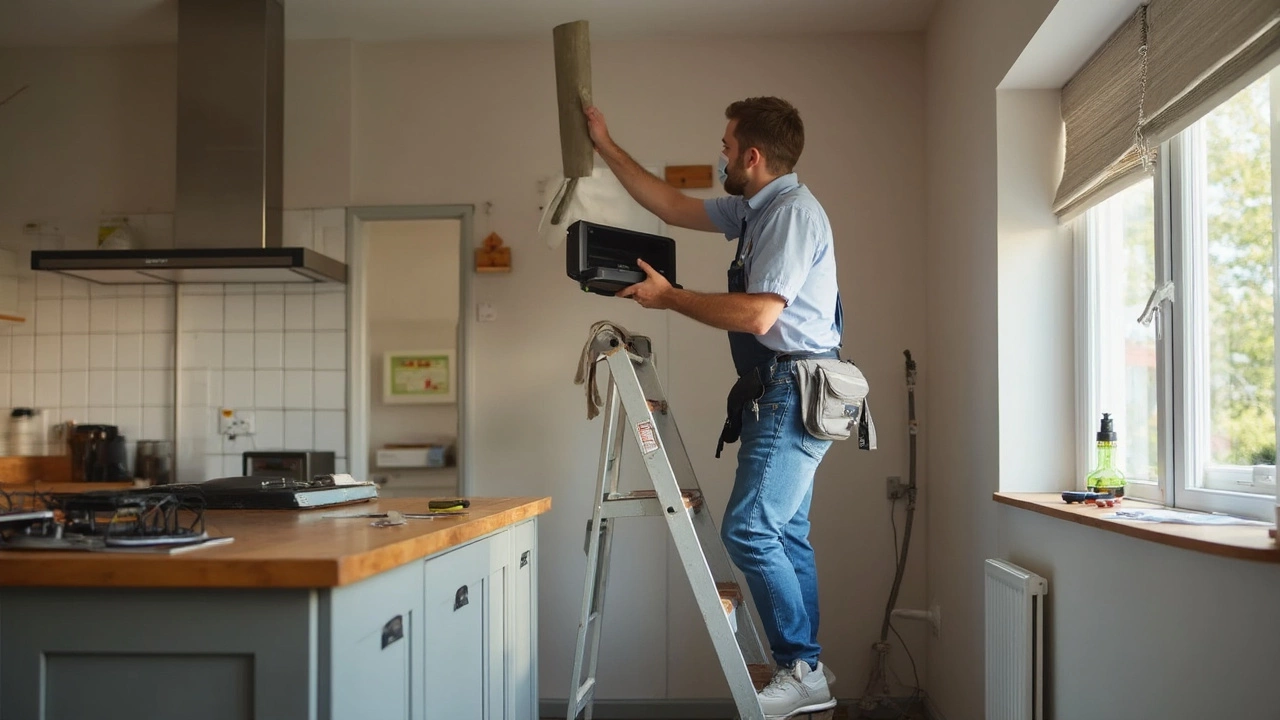
Wondering if you can swap out an extractor fan without calling in a pro? This article breaks down what it really takes to replace an extractor fan yourself, from the easy steps to watch-outs that could trip you up. Learn which tools you’ll need, how to stay safe with electricity, and where to draw the line and call an expert. Get helpful tips and facts straight from a practical perspective. Perfect for anyone ready to tackle a home repair without risking their safety or their ceiling.
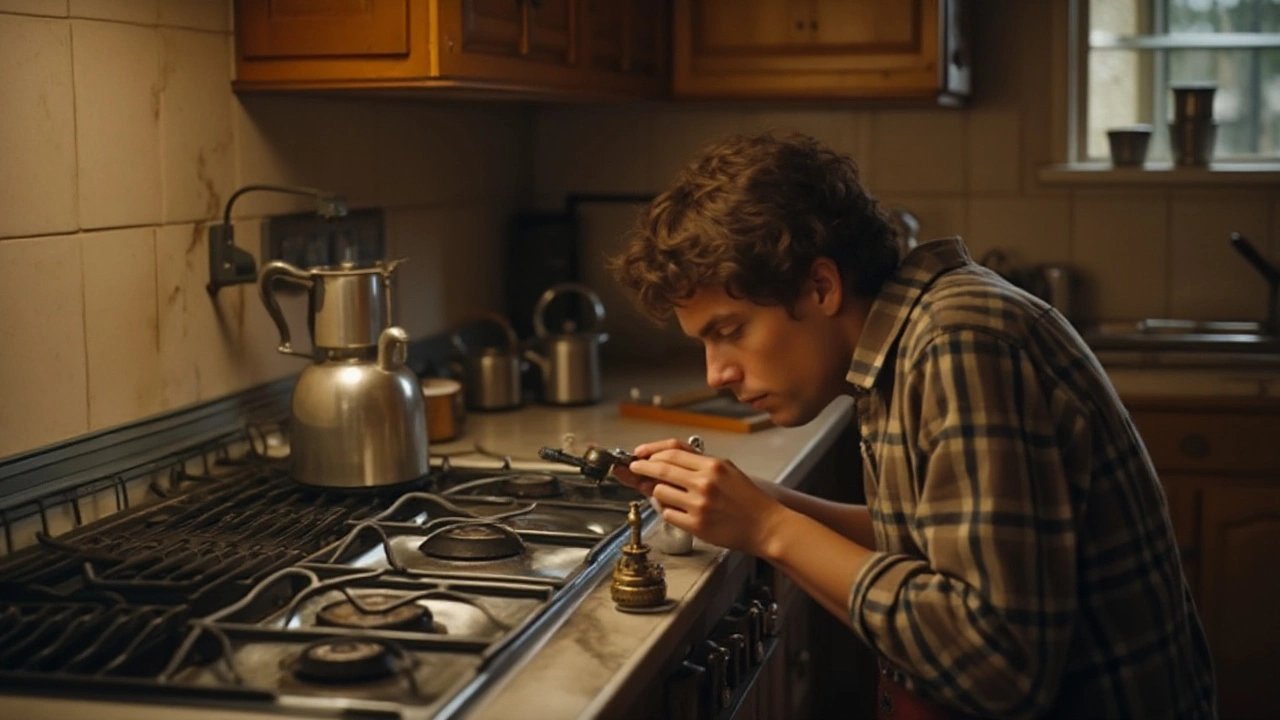
Gas cooktops are an essential part of the modern kitchen, but like all appliances, they can encounter problems over time. This article provides valuable tips and tricks on how to diagnose and repair common gas cooktop issues such as faulty igniters, uneven flames, and gas leaks. With useful insights and step-by-step guidance, even the least experienced DIY enthusiasts can potentially save money and extend the lifespan of their cooktops. If the repairs are too complex or safety is at risk, it is always advisable to seek professional assistance.
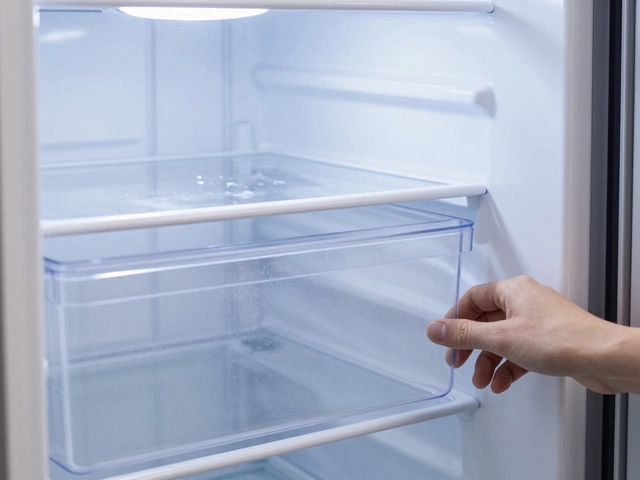
Is your freezer not making ice? Learn how to fix common issues like clogged filters, frozen water lines, and faulty sensors with this easy guide.
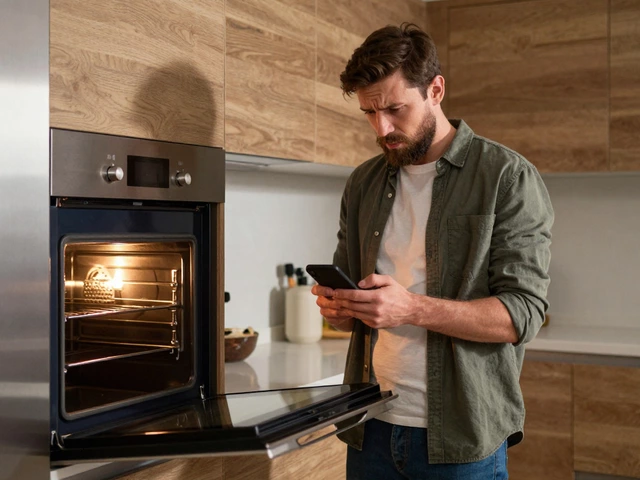
Deciding whether to repair or replace your oven? We break down the 2026 UK costs, the 50% rule, and hidden expenses to help you choose the most cost-effective option for your kitchen.

Pressure cookers can usually be repaired, and fixing them at home can save both time and money. This article covers how to spot common problems, which parts can be replaced, and when to leave repair jobs to the pros. You'll also find smart tips to keep your pressure cooker running safely. Even if you're not a 'handy' person, a lot of repairs are easier than you’d think. Don't toss out that pressure cooker until you know what can actually be fixed.
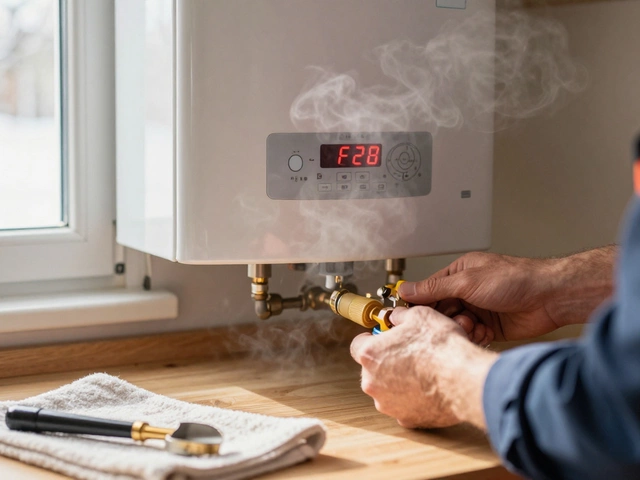
Boiler repairs in the UK usually take 1 to 3 hours, but major issues like a cracked heat exchanger can take half a day. Learn what affects repair time and when replacement is smarter than fixing.

Repairing a glass hob is an essential task for maintaining a functional and modern kitchen. The cost of fixing a glass hob can vary greatly depending on the damage's severity and the required repair type. This article delves into the various factors influencing repair costs, from crack treatment to replacement solutions. It also provides tips for maintenance to prolong the lifespan of your hob and prevent future damage.