

Got a gas oven that’s acting up? You’re not alone. A cold oven is frustrating, especially when dinner’s on the line. The good news is many problems are easy to spot and fix yourself, and the rest are perfect reasons to call in a local expert.
First, let’s run through the usual suspects. The most common cause is a faulty igniter. Over time the igniter can crack or become coated with food residue, so it never lights the gas. If you hear a clicking sound but no flame, that’s a red flag.
Another typical issue is a blocked burner. Grease or spilled food can clog the burner ports, stopping the flame from spreading evenly. A quick visual check often reveals black soot or rust around the burner.
The safety valve can also fail. This valve shuts off gas flow if the oven detects a problem. When it sticks, the burner stays off even though the control knob is turned up.
Don’t forget the thermostat. If it’s misreading the temperature, the oven may think it’s already hot enough and never fire. A thermostat that’s off by more than 25°C usually needs replacement.
Finally, check the gas supply line. A loose connection or a partially closed valve can reduce pressure, meaning the burner flickers or won’t light at all.
Start with safety: turn off the oven and let it cool. Unplug the unit, then locate the igniter (usually a thin, silvery rod near the burner). Look for visible cracks or dark spots. If it looks damaged, note it for the pro.
Next, clean the burner. Use a soft brush or a cloth dampened with warm, soapy water. Scrape away any stuck food, then dry thoroughly before moving on.
Inspect the safety valve and gas line. Make sure the knob is fully turned to “off”, then gently wiggle the gas hose connection. If you smell gas, shut the main supply and call a qualified engineer immediately – never try to fix a leak yourself.
Run a quick oven test: set the temperature to 200°C and listen for the igniter click and flame. If you don’t hear a click, the igniter is likely dead. If you hear a click but see no flame, the safety valve may be the culprit.
When any of these checks point to a part that’s broken, it’s time to call Bognor Regis Appliance Repair Experts. Our technicians are Gas Safe registered, know the local gas pressure specs, and can replace igniters, burners, valves, or thermostats on the spot.
Why choose us? We’re based right here in Bognor Regis, so we can often be at your door the same day. We carry common parts in our van, which means less waiting and lower costs. Plus, we guarantee our work – if the oven quits again within 30 days, we’ll come back free of charge.
In short, a gas oven that won’t heat usually boils down to an igniter, burner, safety valve, thermostat, or gas supply issue. A quick visual inspection and a few simple cleaning steps can solve many of these problems. When the fix is beyond a DIY clean‑up, call our local team for fast, reliable service. Your oven will be back to roasting, baking, and broiling in no time.
Can your gas oven be fixed? Learn which common parts like igniters and thermostats fail, when to DIY, and when to call a Gas Safe professional for safety.
A bad gas oven igniter won't always fail completely. Watch for slow lighting, gas smells, weak flames, or no glow at all. These signs mean it's time to replace the igniter before gas leaks or the oven stops working entirely.
Learn the typical cost of repairing a gas oven igniter, compare DIY vs professional pricing, and discover tips to keep your repair bill low.
Repairing a gas oven might seem daunting, but it's often worth the effort. This article explores when it's practical to repair versus replace, common issues, and cost-effective solutions. Learn helpful tips, find out if it’s a DIY fix, and consider important safety aspects. Discover how to make an informed decision that saves money and hassle.
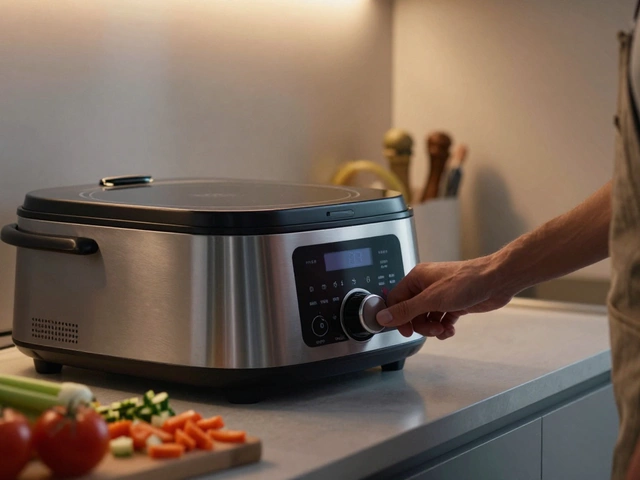
Learn how to tell if your cooker is broken by checking power, error codes, and symptoms like uneven heating or gas smells. Get practical tips for DIY fixes and know when to call a professional.
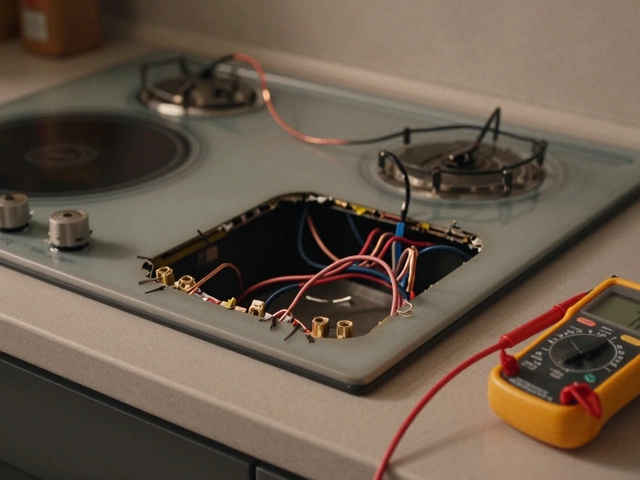
Replacing an electric hob isn't a DIY job. In the UK, it requires a qualified electrician for safety, legal compliance, and insurance reasons. Here's what you need to know before swapping your hob.
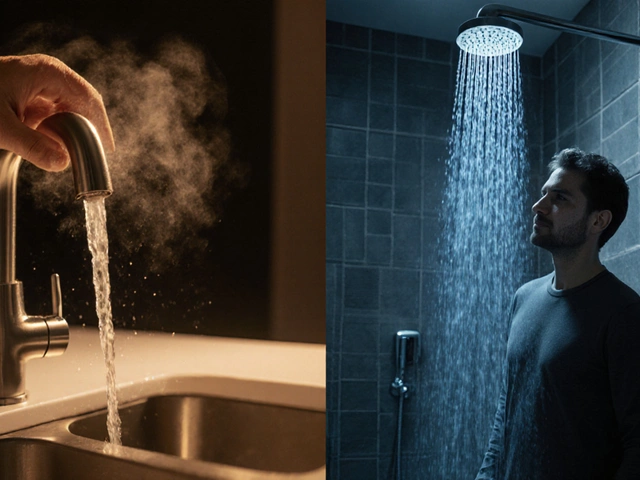
Discover why hot water reaches your sink but not the shower, learn the common causes, DIY fixes, and when to call a plumber for a reliable solution.
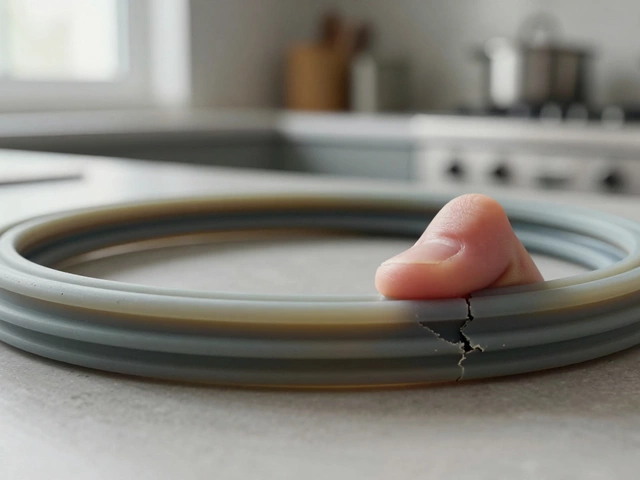
The most common pressure cooker problems are leaking steam, bad seals, clogged valves, and lid issues. Learn how to diagnose and fix them yourself before replacing your cooker.
Most ovens last 10 to 15 years, but usage and maintenance affect lifespan. Learn the signs your oven is failing, when to repair vs. replace, and how to make it last longer.