

If you’re staring at a cold shower, the first thing you want to know is how to get that hot water back, fast. Most water‑heater problems are simple enough to handle yourself, and you don’t need a graduate degree in engineering to sort them out. In this guide we’ll walk through the usual culprits, the easiest fixes, and the moments when you should pick up the phone and call a professional.
Cold water, strange noises, or a heater that keeps resetting are usually signs of three main issues: a faulty thermostat, sediment buildup, or a broken heating element. A thermostat that’s stuck low will tell the unit not to heat the water, while too much sediment acts like an insulator and stops the heat from reaching the tank. If the heating element is cracked or corroded, the water stays lukewarm no matter how long you wait.
Another common problem is a tripped high‑temperature limit switch. Most modern electric heaters have a safety switch that cuts power when the water gets too hot. If the switch trips repeatedly, it often means the thermostat is off‑track or the water isn’t flowing properly.
Gas‑fired heaters have their own set of gremlins: a clogged pilot light, a dirty burner, or a vent blockage. In any case, the symptom—no hot water—can usually be traced back to one of these simple causes before you start tearing the whole unit apart.
1. Reset the heater. Most electric models have a reset button on the thermostat. Turn the power off at the breaker, wait a minute, then press the reset and restore power. If the water heats up, the problem was a temporary overload.
2. Flush the tank. Sediment builds up over years and reduces efficiency. To flush, turn off the heater, attach a garden hose to the drain valve, and let the water run until it’s clear. This simple maintenance can add years to the unit’s life.
3. Test the thermostat. Use a multimeter to check continuity. If the reading is off, replace the thermostat—usually a $30‑$50 part you can swap in under an hour.
4. Inspect the heating element. Remove the access panel, disconnect the wires, and test the element with a multimeter. A broken element shows infinite resistance. Replacing it typically costs $40‑$80 and fixes most “not heating” complaints.
5. Check the gas supply. For gas heaters, ensure the pilot light is lit and the gas valve is fully open. If the pilot won’t stay lit, the thermocouple may need replacement.
If you try these steps and the water is still cold, it’s time to call a qualified technician. Persistent reset trips, leaks, or strange smells can signal deeper issues like a cracked tank or electrical faults that require professional tools and safety knowledge.
Regular maintenance—flushing once a year and testing the pressure‑relief valve—keeps most water heaters running smoothly for 8‑12 years. Knowing when to DIY and when to call for help not only saves money but also prevents a small problem from turning into a costly emergency.
So the next time you’re stuck with a cold shower, remember: a quick reset, a simple flush, or a fast thermostat swap often does the trick. Keep these tips handy, and you’ll spend less time shivering and more time enjoying hot water—exactly what a water heater is supposed to deliver.
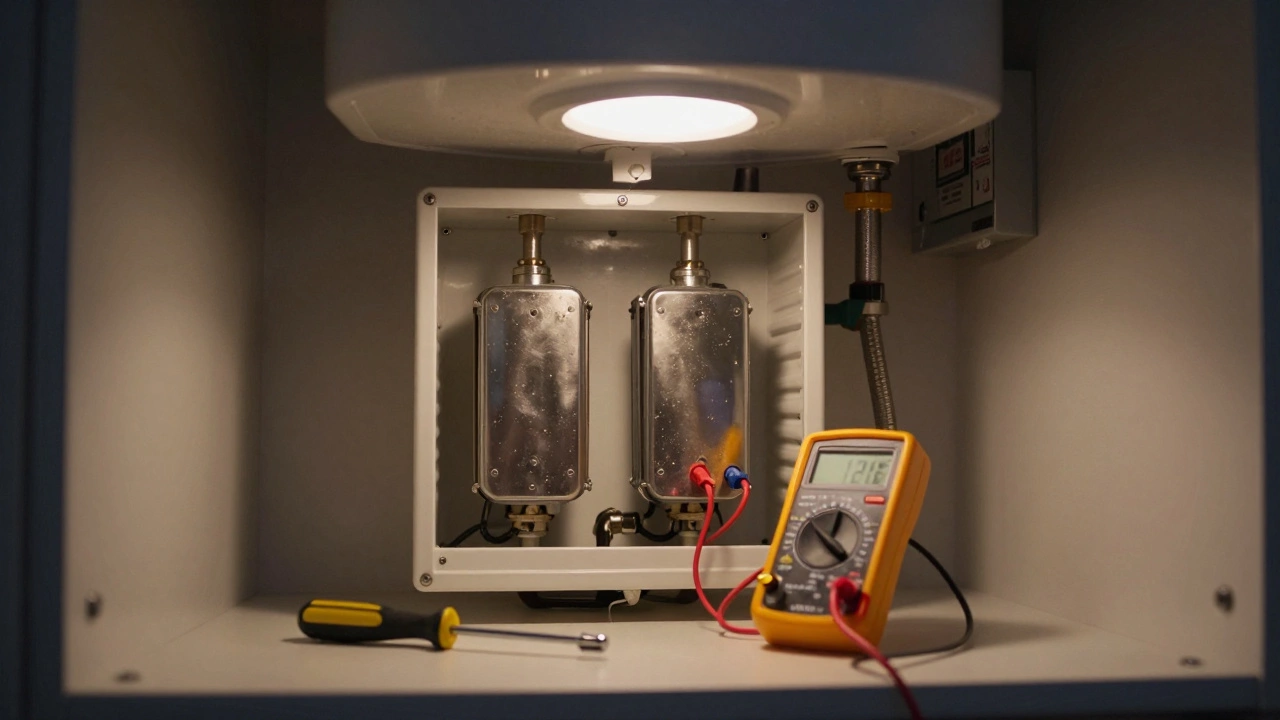
Fix a water heater producing cold water by checking the power, testing heating elements, adjusting the thermostat, flushing sediment, and replacing faulty parts like the dip tube or thermocouple. Most issues are simple DIY fixes.
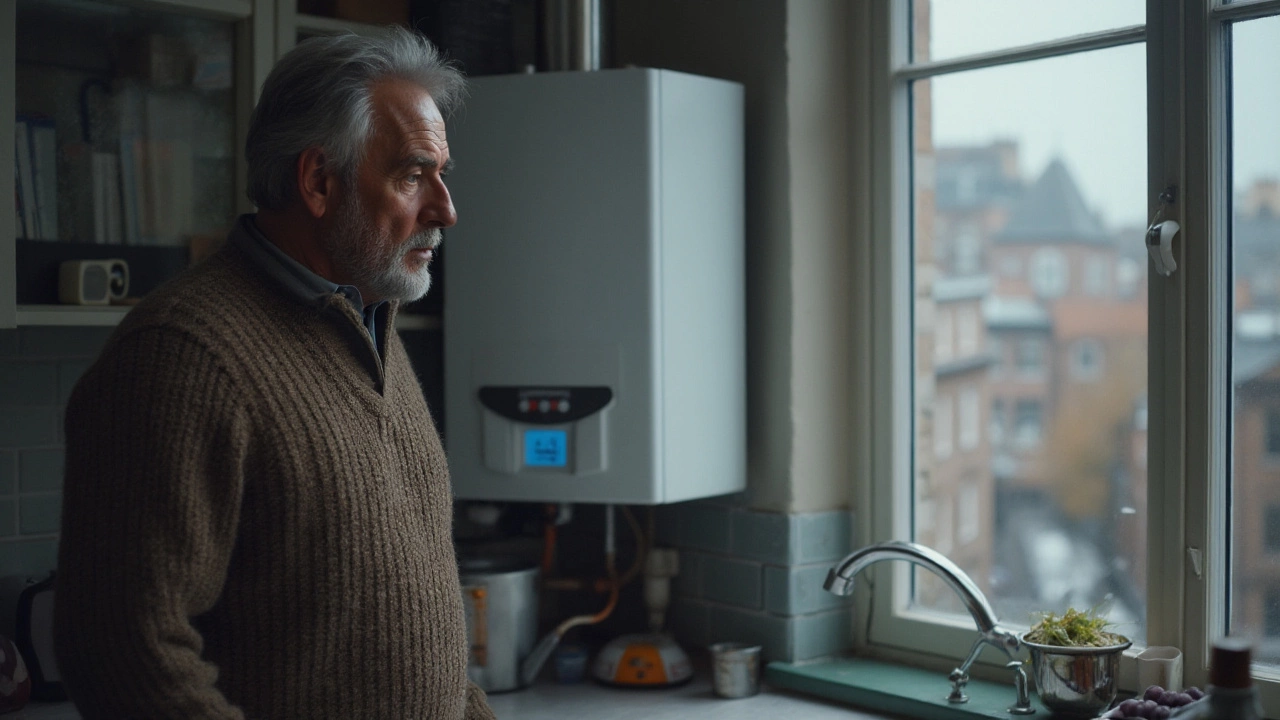
Struggling with a hot water heater that refuses to kick on can be frustrating, especially on chilly days. In this detailed guide, you'll find practical solutions and in-depth explanations to help diagnose and possibly fix some of the most common issues that prevent your hot water heater from functioning. Whether it's a simple power issue or a more complex mechanical fault, this article equips you with the knowledge to tackle the problem. It's time to stop second-guessing and start understanding what's really going on with your heating system.
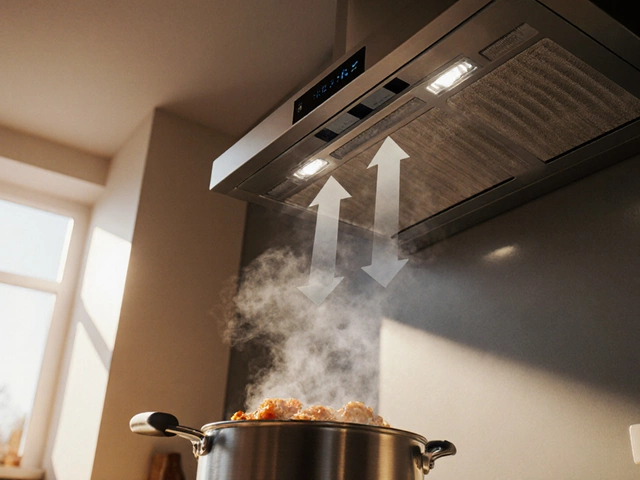
Find out if leaving your extractor fan on is safe, how much energy it uses, and the best practices to protect your home while keeping the kitchen fresh.
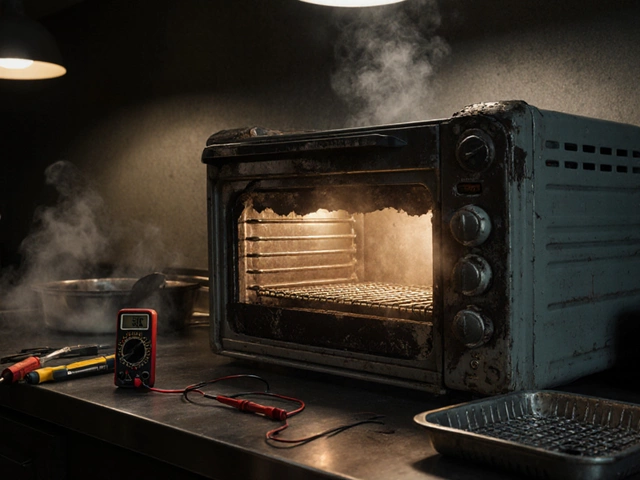
If your electric oven isn't heating, it's usually due to a broken element, faulty thermostat, or blown thermal fuse. Learn how to diagnose and fix the most common causes quickly and safely.
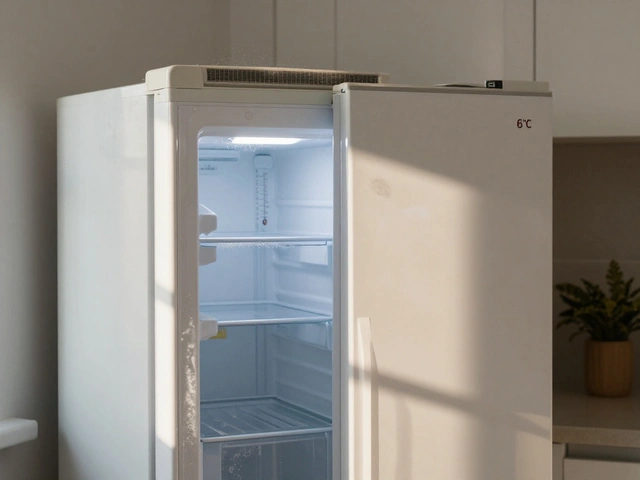
The average refrigerator lasts 13-17 years, but lifespan depends on maintenance, usage, and environment. Learn the signs it's failing, when to repair vs. replace, and how to make yours last longer.
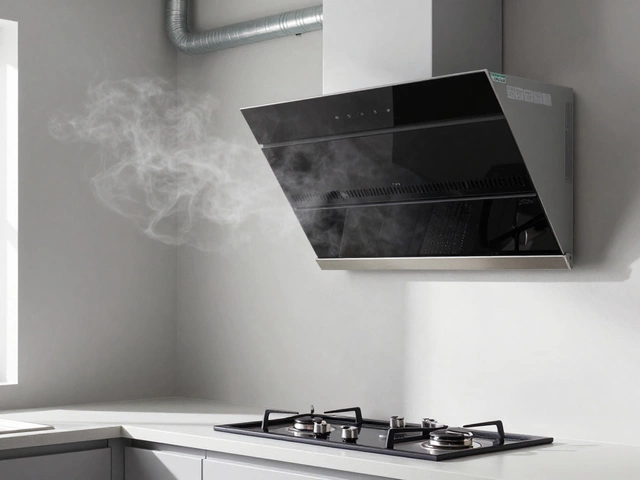
In the UK, you legally need an extractor fan in your kitchen if you have a gas hob or have done major renovations since 2006. Learn what the regulations require and why skipping it could cost you more than installing one.
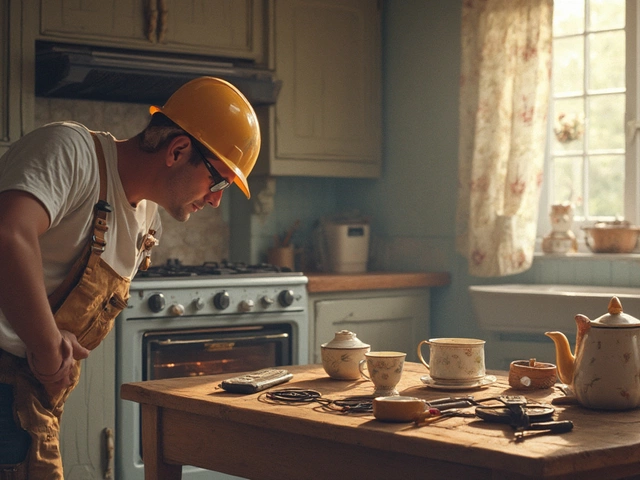
Repairing an electric oven on your own can be daunting, but it may be easier than it seems. This article explores the basics of oven function, safety tips, and common issues like heating problems or broken knobs. You'll find valuable advice on identifying problems and learning when it's best to call a professional. With a bit of knowledge, some troubleshooting, and a few tools, you might be able to save money on repair costs. Remember to prioritize safety above all while attempting repairs.