

If your kitchen or bathroom fan is humming, rattling, or just won't turn on, you’re not alone. Most homeowners face a fan issue at least once a year, and the good news is many of those problems can be solved without a pricey call‑out. In this guide we’ll walk through the most common reasons fans fail, show you step‑by‑step DIY fixes, and tell you when it’s smarter to let a professional take over.
First, figure out what’s actually wrong. A noisy fan usually means something is loose or the motor bearings are wearing out. A fan that won’t start at all could be a blocked vent, a burnt‑out motor, or a faulty power switch. Here are the top three culprits:
Quickly checking these three areas will often point you to the right fix.
1. Turn the power off. Safety first – flip the circuit breaker or unplug the unit. You don’t want a surprise shock.
2. Clean the fan. Remove the grill (usually a few screws or clips), then wipe the blades with a damp cloth. Use a vacuum with a brush attachment to clear dust from the duct and motor housing. A clean fan runs cooler and quieter.
3. Inspect the motor. Look for obvious signs of wear: burnt marks, loose wires, or a wobbling shaft. If the bearings feel gritty when you spin the motor by hand, it’s time for a replacement motor or a whole new fan unit.
4. Test the capacitor. Many extractor fans use a small capacitor to give the motor a boost at start‑up. A multimeter set to “capacitance” will tell you if it’s still good. If the reading is way off, replace the capacitor – they’re cheap and easy to swap.
5. Re‑assemble and test. Put the grill back on, restore power, and listen. If the fan runs smoothly, you’ve saved a call‑out. If it still stutters or won’t start, you’ve likely hit a motor failure.
When the motor is dead, you have two options: replace just the motor (if you can find a compatible one) or replace the whole fan assembly. Most modern fans are designed for quick “snap‑in” replacement, so you won’t need any special tools.
If you’re unsure about any electrical step, or the fan continues to act up after these fixes, it’s wise to call a qualified technician. At Bognor Regis Appliance Repair Experts we’ve seen every fan fault under the sun and can get a stubborn unit back in shape fast.
Remember, regular maintenance – a quick clean every few months – stops most fan problems before they start. A clean fan means lower energy bills, better indoor air quality, and a quieter home.
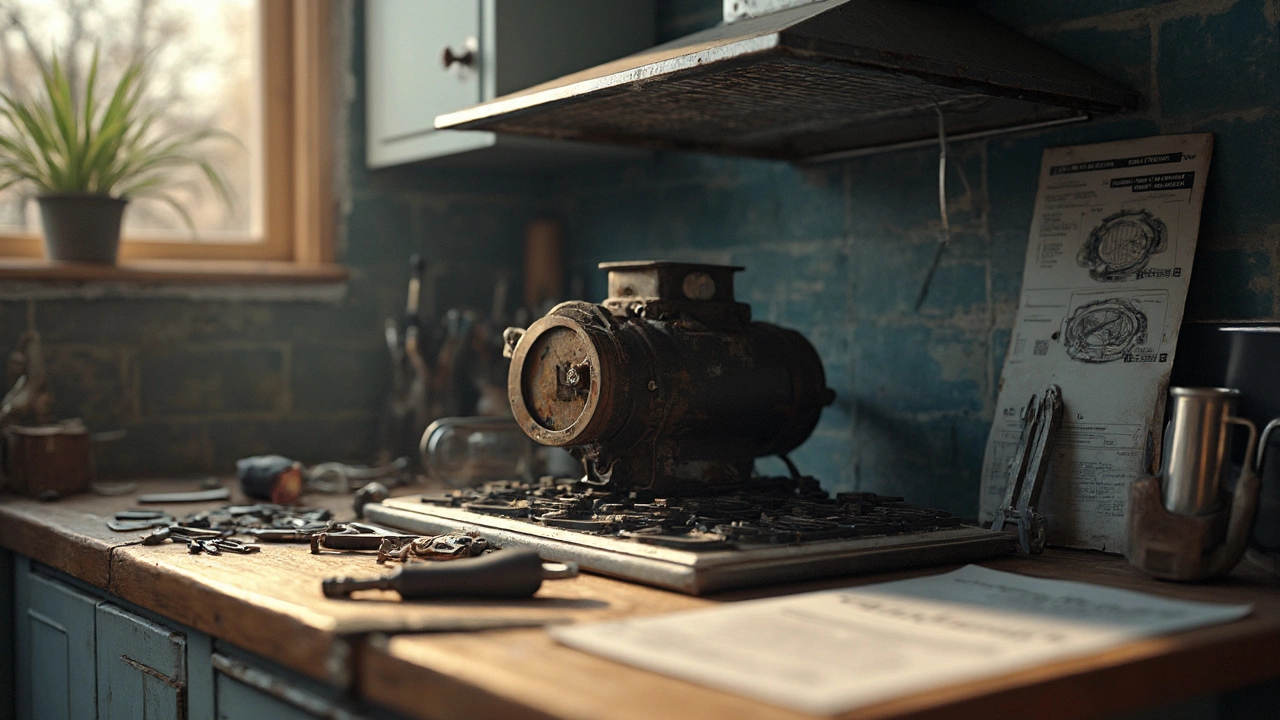
Thinking about swapping out the motor in your extractor fan? This article breaks down what's really involved, the red flags that mean the motor's cooked, and how to decide if you should tackle it yourself or call in a pro. It covers how to find the right replacement part, tips to avoid shocking mistakes, and why some fans just aren’t worth fixing. Whether your bathroom fan wheezes or your kitchen extractor hums like a jet, here’s how to handle a motor on its last legs.

Trying to figure out if you need a ventilation fan or an extractor fan? This article breaks down the differences between the two, explains how each one works, and shares tips for choosing and maintaining the right fan for your home. You’ll also pick up advice on recognizing issues, making easy repairs, and knowing when it's time to replace. If you’ve got problems with humidity, bad smells, or stuffy air, this guide is for you.
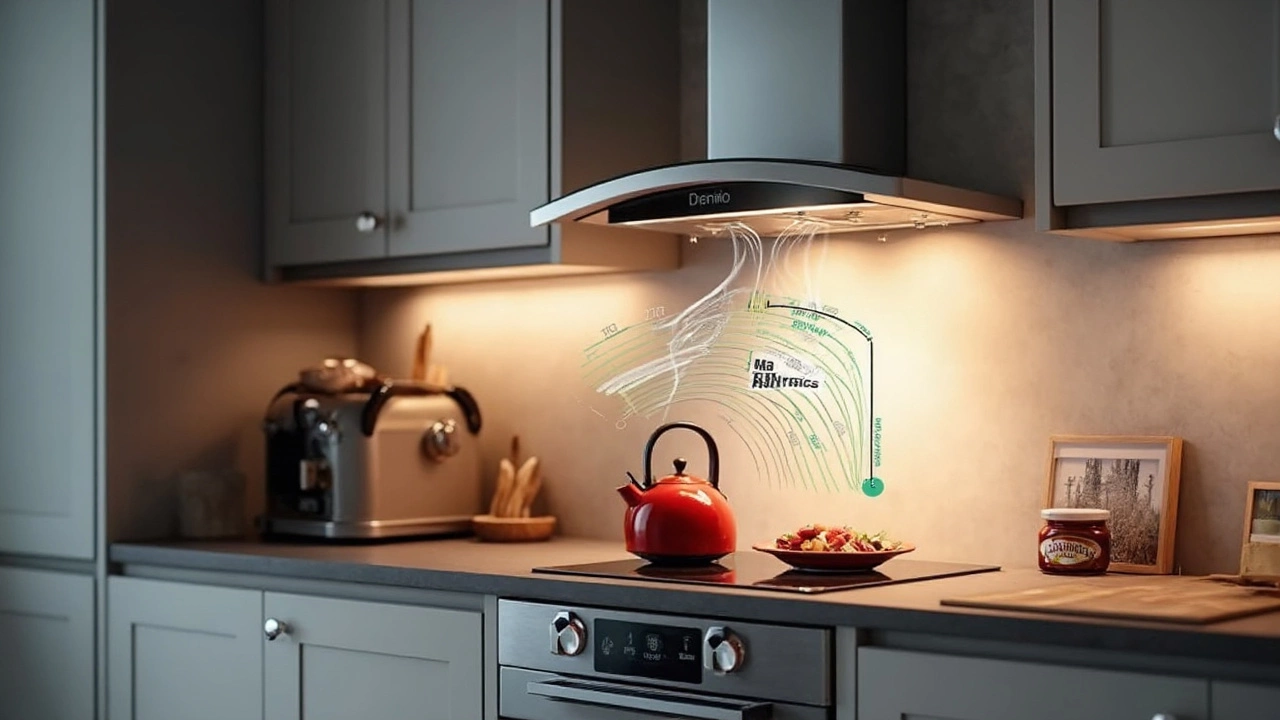
Choosing the right extractor fan can be a tricky task with so many options on the market. This guide breaks down key factors like fan types, sizes, noise levels, and energy efficiency to help you make an informed decision. We dive into tips on proper sizing and essential features to look for. Find maintenance tips and tricks to keep your fan running smoothly. Equip yourself with the knowledge you need to ensure a wise investment.

Not sure how to keep your extractor fan running smoothly? This guide breaks down the simple steps to service an extractor fan, covering cleaning, inspecting parts, and spotting potential issues. Regular maintenance can extend the life of your fan and ensure your kitchen stays fresh and ventilated. Discover some handy tips and tricks to make this an easy task. No need to call in a professional; you can handle this yourself with a little guidance.

Keeping your home well-ventilated is essential, and extractor fans play a crucial role in maintaining air quality. Whether you're installing a new fan or repairing an old one, it's important to know who to call. Professional electricians and specialized ventilation technicians are the go-to experts. They ensure fans are properly installed and functioning efficiently, saving you from potential hassles down the road.
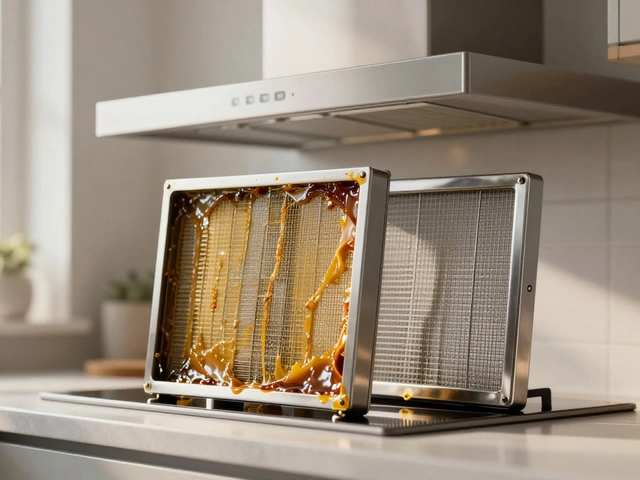
Discover how long extractor fans last, signs of failure, and when to repair vs replace. Expert tips for extending lifespan and maintaining kitchen/bathroom ventilation.

Fixing an electric stove might seem daunting, but many common issues are surprisingly manageable with a bit of know-how. From understanding why the burners aren't heating to recognizing if a problem needs professional attention, this article sheds light on various aspects of electric stove repair. Whether you're dealing with strange noises, faulty wiring, or a completely inoperative oven, we explore what’s usually repairable and what might require a replacement. With practical tips, learn to troubleshoot and potentially save on costly service calls.
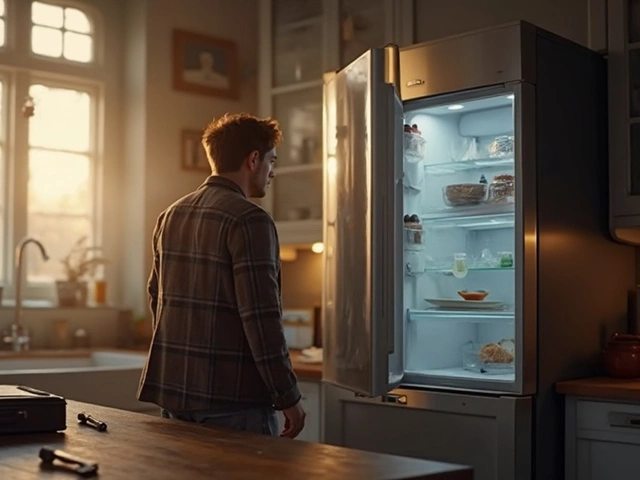
If your freezer isn't doing its one job—keeping things cold—you're in a pickle. But before you start shopping for a new one, there are a few things you might try to get it back to work. From checking the power source to cleaning coils, fixing cooling problems can often be simple and straightforward. Let's explore some potential solutions to get your freezer chilling again.
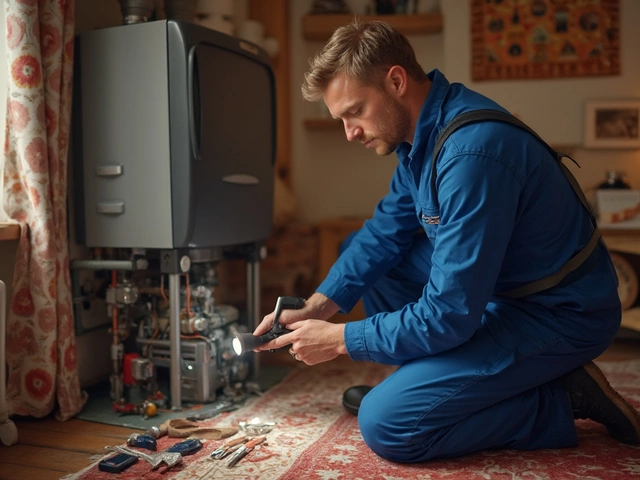
Regular boiler servicing is crucial to ensure safety and efficiency in home heating systems. A comprehensive service involves thorough inspections and cleaning, enhancing performance and extending the lifespan of the unit. Areas covered include checking the burner, inspecting the flue, and ensuring controls work correctly. Routine servicing helps prevent breakdowns and identifies potential issues early. Understanding what's involved can help homeowners make informed decisions and maintain reliable heating.
Struggling with a hot water heater that refuses to kick on can be frustrating, especially on chilly days. In this detailed guide, you'll find practical solutions and in-depth explanations to help diagnose and possibly fix some of the most common issues that prevent your hot water heater from functioning. Whether it's a simple power issue or a more complex mechanical fault, this article equips you with the knowledge to tackle the problem. It's time to stop second-guessing and start understanding what's really going on with your heating system.