

If your extractor fan sounds louder than usual, smells musty, or just isn’t pulling air, it’s probably time for a quick check‑up. A clean fan not only removes cooking fumes and bathroom moisture, it also saves energy and prevents nasty smells from building up.
Dust, grease and hair love to collect on fan blades and the motor housing. When the buildup gets thick, the motor works harder, runs hotter and can fail early. A fan that’s struggling uses more electricity, so you’ll see a spike in your bills. Plus, a blocked fan can cause condensation to form on walls and ceilings, leading to mould problems.
Most manufacturers recommend a deep clean at least once a year, but high‑use kitchens may need it every six months. The bathroom fan, sitting in a damp environment, often needs a wipe‑down about the same time. Ignoring these schedules means you’ll end up paying for a replacement far sooner than necessary.
Before you call anyone, gather a screwdriver, a dust mask, a soft brush and a spray bottle of warm soapy water. Turn off the power at the circuit breaker – safety first.
1. **Remove the cover**: Most covers snap or screw off. Pop it off gently and set it aside.
2. **Clean the blades**: Use the brush to sweep away loose dust. If grease is stubborn, dip the brush in the soapy water and scrub the blades. Wipe dry with a cloth.
3. **Check the motor housing**: A vacuum can pull out fine dust that settles inside. Avoid using water on the motor – just a dry vacuum or a soft brush works.
4. **Inspect the vent**: Follow the duct to the outside. Make sure there’s no blockage, bird nest or debris. A clear vent is essential for proper airflow.
5. **Re‑assemble**: Snap the cover back, restore power and test the fan. If it runs smoothly, you’ve saved a call‑out.
When the fan still feels weak after cleaning, it may be time for a replacement. Replacing a kitchen extractor fan is a straightforward job if you have basic tools. The steps mirror the cleaning process, but you’ll also need to disconnect the wiring and secure the new unit into the existing opening. Follow the instructions that come with the new fan, and double‑check that the wiring connections match the colour codes.
If you’re unsure about any wiring, or if the fan is hard‑wired into a ceiling joist, it’s best to call a qualified electrician. Trying to fix a faulty motor yourself can be risky, and a professional can also spot hidden issues like faulty grounding.
**When to call a pro**: • The motor hums but the fan doesn’t spin. • You smell burning or see sparks. • The fan is mounted in a hard‑to‑reach spot and you can’t access the wiring safely. In these cases, a trained extractor‑fan repair specialist will save you time and hassle.
Regular maintenance, a quick clean, and an occasional DIY replacement can keep your fan humming for years. Set a reminder in your calendar, keep a small cleaning kit in the kitchen cupboard, and you’ll never wonder why the air feels stale again.

Struggling with a kitchen extractor fan that's lost its power? This guide explains how to find and fix common blockages that cause bad smells and poor airflow. Learn step-by-step how to safely clean your fan and make it work like new, plus get handy maintenance tips to stop future clogs. We break down the process so you don't need tools or special skills. Get your kitchen back to normal without calling in an expert.

Wondering why your microwave isn't heating? Learn the common symptoms of a bad magnetron, how to distinguish it from other failures, and when to call a pro.

If you've ever found yourself wondering whether your freezer is on the fritz, you're not alone. Identifying the warning signs of a broken freezer is crucial in preventing food spoilage and costly repairs. This article delves into the common symptoms of a faulty freezer, how to troubleshoot these issues, and when to call a professional for help. Equipped with practical tips and insights, you'll be better prepared to ensure your frozen goods remain safe and your appliance functions efficiently.

Repairing an electric oven on your own can be daunting, but it may be easier than it seems. This article explores the basics of oven function, safety tips, and common issues like heating problems or broken knobs. You'll find valuable advice on identifying problems and learning when it's best to call a professional. With a bit of knowledge, some troubleshooting, and a few tools, you might be able to save money on repair costs. Remember to prioritize safety above all while attempting repairs.

Wondering if you can fix a faulty gas hob? This article explains what repairs are possible, which issues you can tackle yourself, and when to call in a pro. Get down-to-earth tips on spotting common problems, safety advice, and how regular care can extend your hob’s life. We cover everything from spark ignition troubles to stubborn burners that won’t light. Know what you’re dealing with and avoid expensive mistakes.
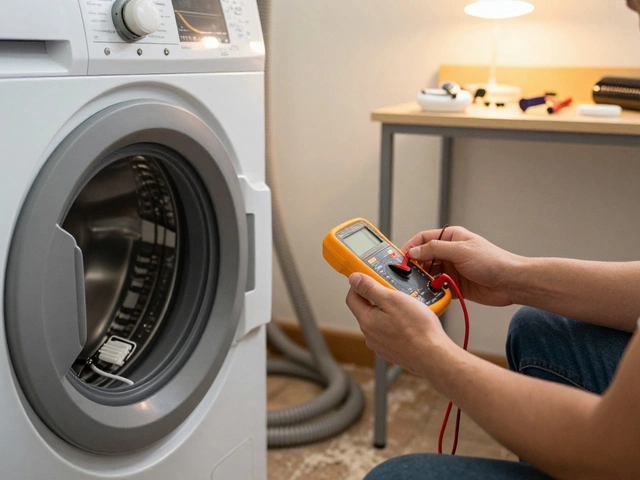
Learn how to fix common dryer problems yourself-no experience needed. Save money and avoid service calls with simple repairs like replacing belts, fuses, and cleaning vents.