

If your electric oven feels like a freezer, you’re not alone. A cold oven can ruin dinner plans and leave you wondering if you need a costly engineer. The good news? Most heating problems are simple to diagnose and fix yourself, as long as you follow a few safety steps.
The most common culprit is a broken heating element. When the element burns out, the oven stays cool no matter which temperature you set. A faulty thermostat or temperature sensor can also send the wrong signal, so the element never turns on. Occasionally a tripped circuit breaker or a loose wire in the oven’s control board will cause the same symptom.
First, unplug the oven or switch off the circuit breaker. Safety is the top priority. Next, locate the heating element – it’s the long metal coil at the bottom or back of the oven cavity. Visually inspect it for discoloration, cracks, or a broken segment. If it looks okay, use a multimeter set to resistance (ohms). Touch the probes to the element’s terminals; a reading of 10‑30 ohms usually means it’s healthy. Anything outside that range indicates a bad element.
When the element is faulty, remove the two screws that hold it in place, disconnect the wiring harness, and pull it out. Slide the new element into the same slot, reconnect the harness, and tighten the screws. Most replacement elements cost between £30‑£60 and come with a simple install guide.
If the element checks out, move on to the thermostat or temperature sensor. These parts sit behind the oven’s rear panel. Again, test with a multimeter – the sensor should show a steady resistance that changes with temperature. A stuck‑low reading means the sensor needs swapping. Replacing a thermostat or sensor usually costs £20‑£40 and follows the same removal‑replace‑secure steps.
After any part swap, plug the oven back in and run a quick heat test. Set the oven to 180°C and watch the element glow within a few minutes. If it heats, you’ve solved the problem. If not, double‑check the wiring connections and make sure the circuit breaker didn’t trip during the test.
When DIY isn’t enough, call a qualified electrician or oven repair specialist. Some issues, like a damaged control board or internal wiring faults, require professional tools and certification. Attempting these fixes yourself can be dangerous and may void any warranty you have.
Cost‑wise, a basic element or sensor replacement is usually under £100, including parts and a few hours of labor if you do it yourself. A professional call‑out can run £80‑£120 plus parts, so weighing the price against the hassle helps you decide the best route.
In short, most electric oven heating failures stem from a burned‑out element, a bad sensor, or a simple electrical hiccup. With the right tools and a careful approach, you can troubleshoot, replace, and get back to baking in under an hour. Keep a multimeter, screwdriver, and a spare element on hand – you’ll thank yourself the next time the oven decides to stay cold.

Repairing an electric oven on your own can be daunting, but it may be easier than it seems. This article explores the basics of oven function, safety tips, and common issues like heating problems or broken knobs. You'll find valuable advice on identifying problems and learning when it's best to call a professional. With a bit of knowledge, some troubleshooting, and a few tools, you might be able to save money on repair costs. Remember to prioritize safety above all while attempting repairs.
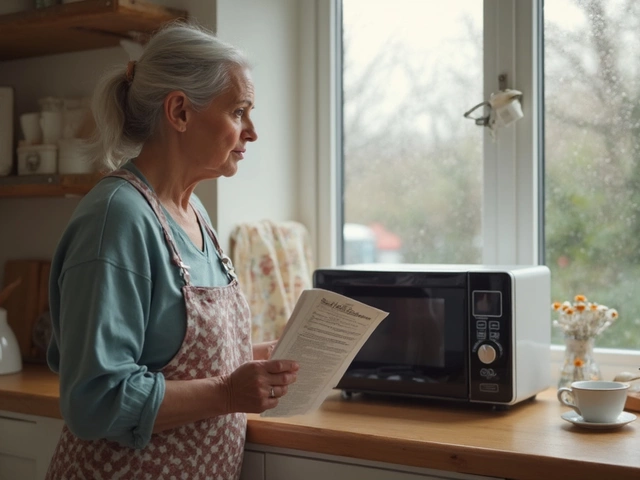
Wondering if you can fix your microwave at home instead of tossing it and buying a new one? This article breaks down common microwave problems, what you can safely handle, and when it's better to call a pro. Get practical tips that actually make a difference, plus real talk about microwave safety. Save yourself time, money, and stress with easy-to-follow advice. Tackling your appliance repair just got a whole lot simpler.

Discover the key signs that indicate your oven needs replacing, from age and energy efficiency to safety concerns. Learn when to repair vs. replace.
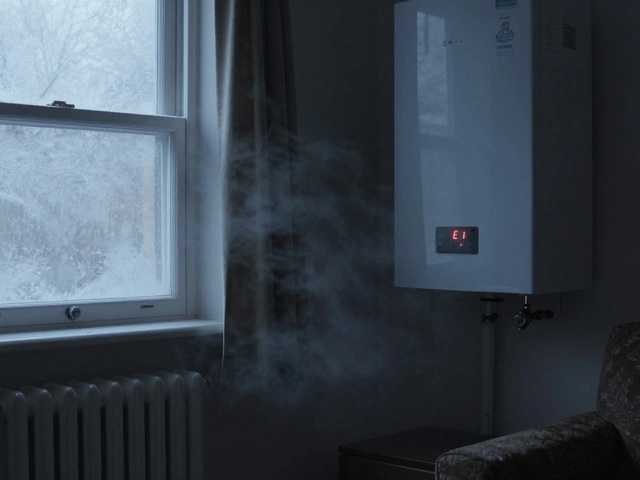
Learn the 7 clear signs your boiler is broken, from cold radiators to strange noises and gas smells. Know when to repair and when to replace before winter hits.
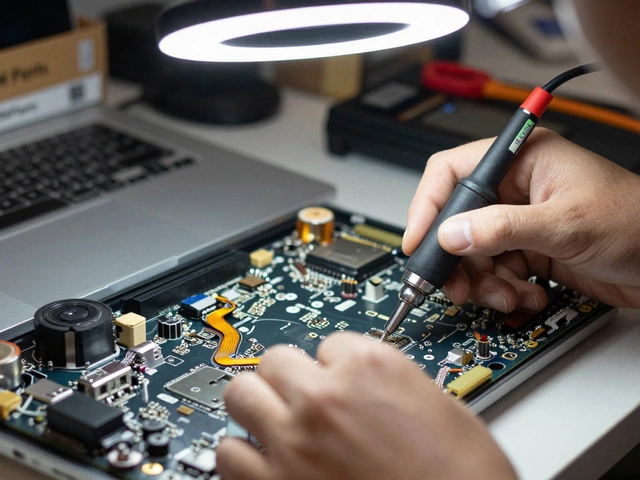
Discover why laptop repair costs have skyrocketed. From genuine parts pricing to skilled labor rates, we break down the real expenses behind every quote.
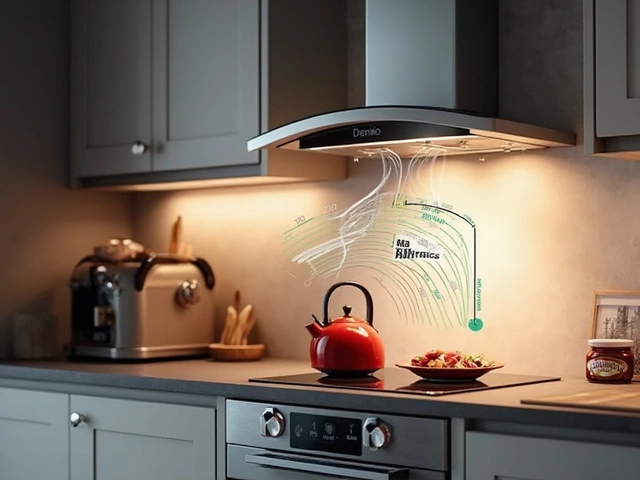
Choosing the right extractor fan can be a tricky task with so many options on the market. This guide breaks down key factors like fan types, sizes, noise levels, and energy efficiency to help you make an informed decision. We dive into tips on proper sizing and essential features to look for. Find maintenance tips and tricks to keep your fan running smoothly. Equip yourself with the knowledge you need to ensure a wise investment.