

If your dryer is acting up, you don’t have to panic. Most issues can be solved with a few minutes of work and the right know‑how. Below we walk through the most common problems, what causes them, and how you can fix them yourself before you decide to call a technician.
Dryer won’t start. First, check the power supply. Make sure the plug is secure and the circuit breaker hasn’t tripped. If the outlet feels hot or feels loose, stop using it and call an electrician. Next, inspect the door switch – the dryer won’t run if the door isn’t properly closed. Press the switch with a screwdriver; you should hear a click. If it feels sticky, clean it with a bit of rubbing alcohol.
Clothes staying damp. A clogged lint filter is the usual suspect. Clean the filter after every load and brush any lint from the vent opening. If the filter is clean, look at the exhaust vent. A blocked vent reduces airflow, forcing the dryer to overheat and shut off early. Detach the vent hose and vacuum out any lint or debris. A flexible duct should be as short and straight as possible – long bends trap lint.
Dryer makes loud thumping or squeaking. This often means a drum bearing or belt is worn. Open the dryer’s front panel (usually a few screws) and visually inspect the belt for cracks or glazing. If the belt looks okay, spin the drum by hand; it should turn smoothly. Any grinding feeling points to a bearing that needs replacement. While you’re inside, tighten any loose screws that could cause rattling.
No heat but the dryer tumbles. Check the heating element (electric dryers) or gas valve (gas dryers). For electric models, disconnect the dryer, locate the element and test it with a multimeter for continuity. A broken element reads infinite resistance and must be swapped out. Gas dryers need the igniter and flame sensor checked – if you smell gas, shut the dryer off and call a professional immediately.
Some fixes are best left to experts. If you notice a burning smell, suspect an electrical fault, or find water leaking from the dryer, stop using it right away. Also, gas‑related problems require a Gas Safe registered engineer. Trying to repair a gas valve or igniter without proper training is dangerous.
Another sign to call a pro is repeated failure after you’ve tried the basics. If the dryer still won’t dry after cleaning the vent, the motor may be failing or the control board could be faulty. These parts need diagnostic tools and experience to replace safely.
Finally, consider the age of your dryer. If it’s more than 10‑12 years old and you’re constantly fixing it, replacing the unit might save you money in the long run. Modern dryers are more energy‑efficient and often come with warranty coverage.By following these steps, most dryer hiccups can be sorted without a pricey callout. Keep your dryer’s lint filter clean, inspect the vent regularly, and run a quick visual check when something goes wrong. When in doubt, or if safety is a concern, reach out to a qualified technician – better safe than sorry.
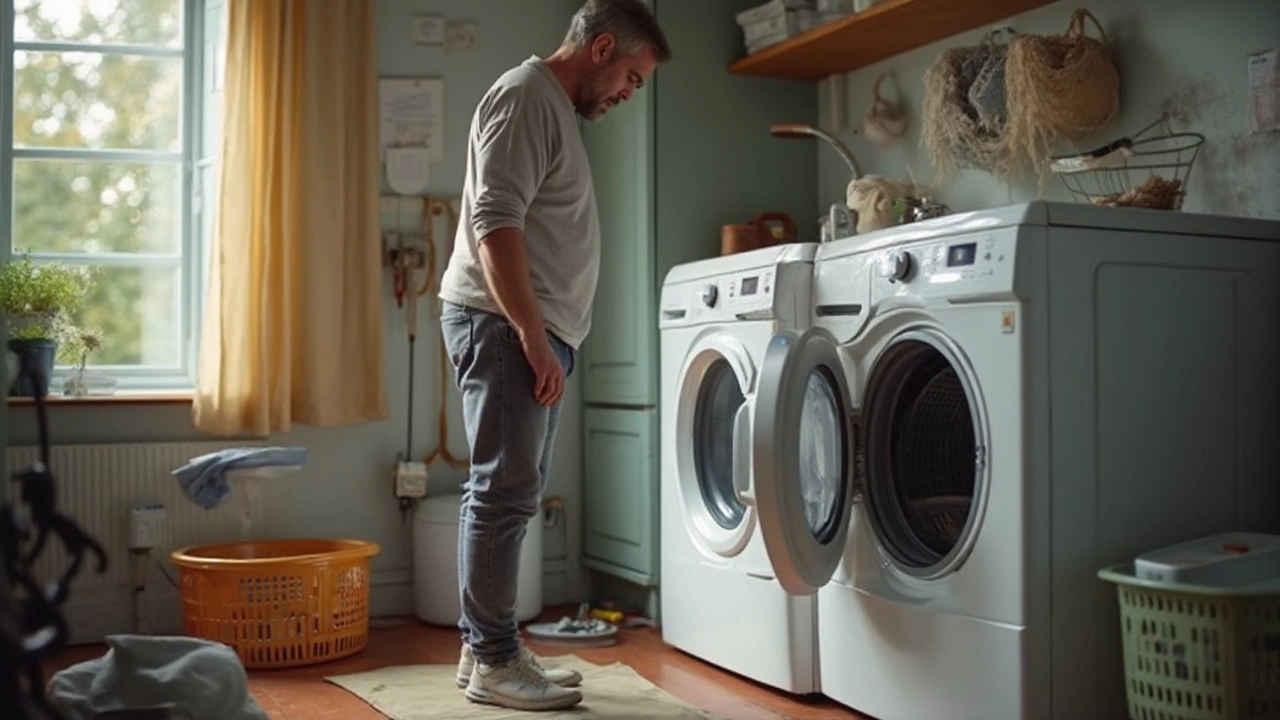
Find out why your tumble dryer isn't spinning and learn step-by-step fixes for common dryer problems. Stay informed with practical tips and real solutions.

Is your 10 year old dryer gasping for air, and you’re wondering if it’s time to fix or toss it? This article breaks down how long dryers usually last, what typical repair costs look like, and when it just makes more sense to get a new one. You’ll find smart tips to figure out if fixing an older dryer is throwing good money after bad or saving yourself from an expensive upgrade. Get real-life advice that skips the fluff and gets to the point.
Plumbers are often the go-to professionals for a wide range of home repairs, but when it comes to boilers, it's essential to know their scope of work. This article delves into whether plumbers can actually handle boiler installations and replacements. You'll uncover what specific skills and certifications are required for boiler work, why hiring a specialized heating engineer may be recommended, and the potential risks of using underqualified technicians. Whether you're considering a new boiler or need an existing one serviced, understanding who is best suited for the task is crucial.
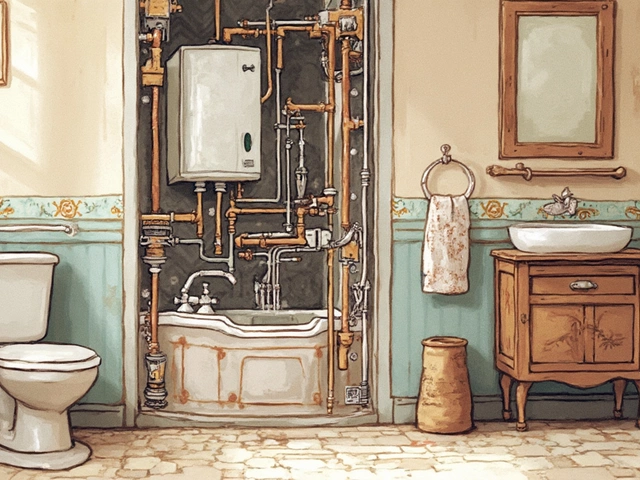
A failing water heater element can leave you in the chilly lurch just when you need a warm shower. Learn how to diagnose the problem with simple, straightforward steps. This guide covers common symptoms, testing methods, and practical tips for handling a faulty element. We'll explain what's involved and offer insights for DIY repair or knowing when to call a professional.
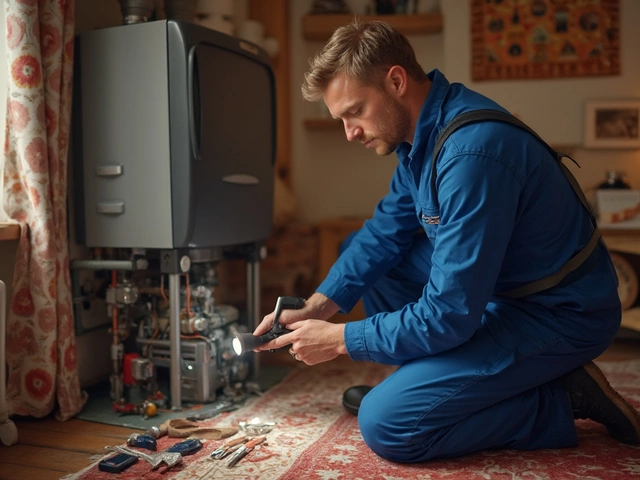
Regular boiler servicing is crucial to ensure safety and efficiency in home heating systems. A comprehensive service involves thorough inspections and cleaning, enhancing performance and extending the lifespan of the unit. Areas covered include checking the burner, inspecting the flue, and ensuring controls work correctly. Routine servicing helps prevent breakdowns and identifies potential issues early. Understanding what's involved can help homeowners make informed decisions and maintain reliable heating.
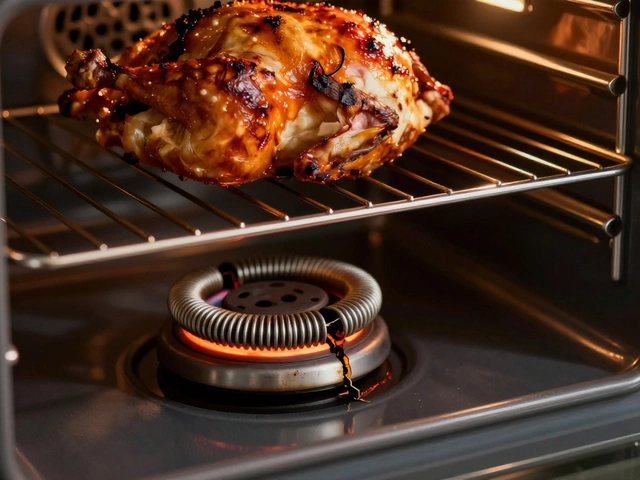
Discover if replacing your oven heating element is cost-effective compared to buying a new appliance. We break down repair costs, DIY steps, and signs of failure to help you decide.

Wondering if it's worth repairing your electric oven or if you should just buy a new one? This article dives into the factors to consider, from cost effectiveness to the age of your appliance, helping you make an informed decision. We'll discuss common issues that can be fixed, when to call in a pro, and some smart tips to extend the lifespan of your oven. By the end, you'll know whether fixing or replacing is the better choice for your situation.