

If your hob is heating unevenly, making strange noises, or just won’t turn on, you don’t have to panic. Most electric hobs have a few simple parts that wear out, and you can often replace or repair them yourself. In this guide we’ll walk through the most common issues, the tools you’ll need, and the safety steps you can’t skip.
1. Hob won’t heat at all. First, check the power supply. Make sure the plug is seated firmly and the circuit breaker isn’t tripped. If the power is fine, the most likely culprit is a failed heating element. Look under the glass surface – you’ll see a metal coil or a flat strip. Pull the element out, inspect it for a break or burn mark, and replace it with a matching part. Most elements cost under £30 and can be swapped without a specialist.
2. One zone is hotter than the others. Uneven heating often means the temperature sensor (thermistor) is dirty or failing. Turn off the hob, remove the glass top, and locate the sensor near the affected zone. Give it a gentle clean with a soft cloth and a little rubbing alcohol. If the problem persists, swapping the sensor is the next step – it’s a quick pull‑out job.
3. Clicking or buzzing noises. A humming sound can be a loose control knob or a failing relay in the control board. Tighten any loose knobs first. If the noise remains, the control board may need a visual inspection for cracked solder joints. While replacing a board is more involved, you can often find a cheap refurbished unit that fits the same model.
4. Glass top cracked or shattered. Glass tops are fragile but replaceable. Order the exact glass panel from the manufacturer, remove the screws holding it in place, lift it out, and install the new piece. Make sure the underlying heating elements are clean and correctly aligned before you snap the new glass back on.
Before you start, gather a few basic tools: a screwdriver set, a multimeter, pliers, and maybe a utility knife for any sealant work. Safety is key – always unplug the hob or switch off the dedicated circuit at the breaker box. If you’re working with a gas‑electric hybrid hob, double‑check that the gas valve is closed.
Use a multimeter to test continuity on heating elements and sensors. No reading means the part is dead and needs replacing. If you’re unsure about any electrical test, pause and call a qualified electrician. It’s better to waste a few minutes than risk a short circuit.
When the issue is inside the control board, or if you notice scorch marks, water damage, or persistent error codes, it’s time to call a pro. Control boards contain delicate components that require proper soldering skills and often a warranty‑compatible replacement.
Regular maintenance can keep your hob happy for years. Wipe the glass after each use, avoid sliding heavy pots across it, and clean any spills before they harden. A quick check of the power cord and plug each month can catch frayed wires early.
DIY hob repair saves money and gives you confidence in your kitchen gear. Stick to the simple fixes above, use the right tools, and never skip the safety steps. If a problem feels beyond your comfort zone, a quick call to a local appliance repair expert will keep your hob safe and functional.
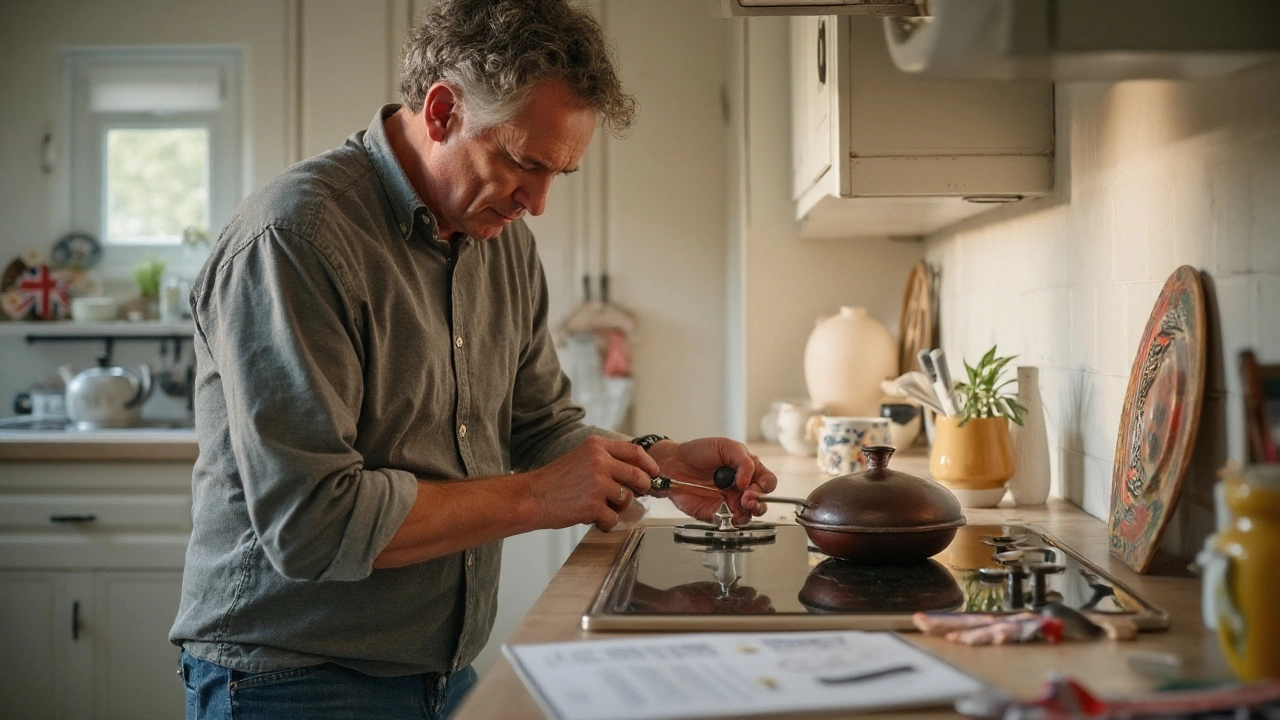
Can you replace an electric hob element? Absolutely! This hands-on guide dives into safe, practical steps for swapping out faulty burners and keeping your electric hob in top shape.

If your cooker suddenly stopped working, it might be due to a range of reasons from electrical issues to simple user errors. Understanding the root cause is key to fixing the problem efficiently. In this article, we explore common reasons why cookers fail and offer practical troubleshooting tips to get your appliance working again. From checking the power supply to examining electrical components, we cover it all. Get your cooker back up and running with our straightforward guide.
A short summary for the article based on the topic. You need to write a summary with up to 5 sentences or 160 symbols that covers the provided topic. Try to write the most human text.
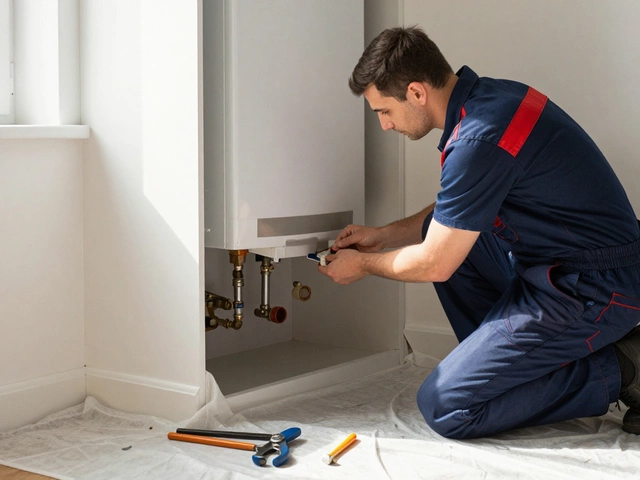
Replacing a boiler in the UK typically takes one to three days, depending on the type of boiler, system complexity, and home layout. Most installs finish in a single day if the new unit is in the same location.

Discover practical solutions to restore hot water in your shower with ease. Learn about common problems affecting water heaters and the steps to troubleshoot each issue. This guide will walk you through changing settings, checking components, and knowing when to call a pro. Take control of your hot water system and enjoy a soothing shower experience once again. Ideal for homeowners facing frustrating lukewarm showers.
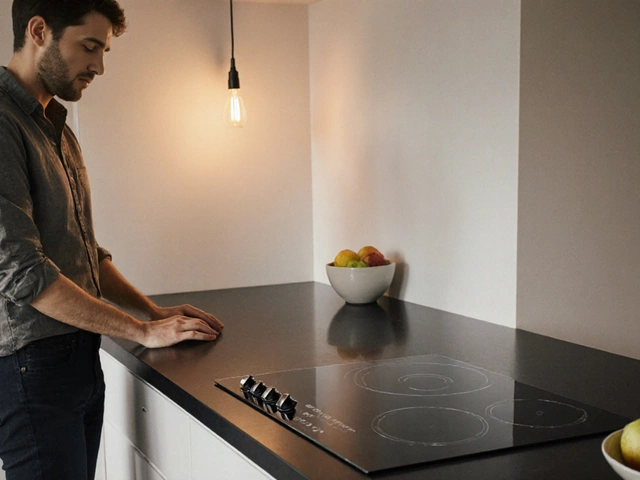
Discover if electric hobs can be fixed, cost breakdowns, DIY steps, safety tips, and when to replace. A practical guide for UK homeowners.