

Got a broken cooker, a noisy washing machine, or a fridge that won’t chill? You don’t always need to call a technician right away. With the right safety steps and a bit of know‑how, many common appliance problems can be tackled at home. Below you’ll find straight‑forward advice for the most frequent fixes, plus a quick check‑list to decide when it’s time to bring in a pro.
Electric hob element: If a burner won’t heat, unplug the hob, remove the screw holding the element, and pull it straight out. Test it with a multimeter – no continuity means it’s dead and needs swapping. A new element fits right back in; just tighten the screw and you’re good to go.
Oven heating element: A cold oven often points to a broken element. Remove the oven racks, locate the two screws on the back wall, and pull the element out gently. Replace it with an identical part, reconnect the wires, and secure the screws. You’ll notice the heat return within a few minutes of the next bake.
Extractor fan: A noisy or weak kitchen fan usually has a clogged motor or a loose blade. Turn off the power, unscrew the fan cover, and clean away dust with a soft brush. If the motor makes a grinding sound, lubricate the shaft with a few drops of oil. Re‑assemble and test – most fans run smoother after a quick clean.
Washing machine drum: A thumping drum signals a foreign object or an unbalanced load. Open the door, check the drum cavity for coins, socks, or small items, and remove them. Then run a short cycle with the machine empty to see if the noise persists. If it does, the shock absorbers may need replacing – a simple bolt‑on part you can find at any hardware store.
Fridge that’s not cooling: First, make sure the condenser coils are clear of dust – vacuum them with a brush attachment. Next, check the thermostat setting; it should be around 4 °C. If the fridge still runs warm, the sealed system might have a leak, which is a job for a qualified technician.
DIY can save money, but some jobs carry risks. If you encounter gas lines, boiler components, or any issue that requires a Gas Safe registered engineer, stop and call a pro. Electrical work beyond swapping a plug or element should be handled by a qualified electrician, especially when dealing with mains wiring.
Also, if a repair takes more than an hour and you’re still not seeing improvement, it’s a sign the problem is deeper. Trying to force a fix can cause more damage and end up costing more in the long run.
Lastly, keep a record of the appliance’s model number, purchase date, and any warranty details. Many manufacturers cover parts even after the warranty expires, and a quick call can save you a trip to the store.
DIY appliance repair is all about knowing your limits, staying safe, and following a clear step‑by‑step plan. Use the tips above for quick wins, and don’t hesitate to reach out to a professional when the job gets too complex. With the right approach, your home’ll stay running smoothly without breaking the bank.

Thinking about replacing your electric oven on your own? This article breaks down what you need to know about doing it yourself— from basic safety to common pitfalls. Learn how tricky the process can get, which tools you might need, and when it's smarter to call a pro. Get tips to save money and avoid kitchen disasters. Designed for anyone who values a good meal and a working oven.

Wondering if you can change your kitchen extractor fan yourself? This guide covers steps, safety, tools, common mistakes, and installation tips for a smooth DIY experience.

Ever opened your freezer to find squishy ice cream or thawed food when it should be rock solid? This article digs into the real reasons your freezer refuses to stay frozen, from simple mistakes to sneaky mechanical fails. Learn how to spot common culprits, fix minor issues yourself, and know when things are actually serious. Packed with practical tips and straightforward advice, you'll get the cold facts and solutions you need. No jargon, just help you can actually use.
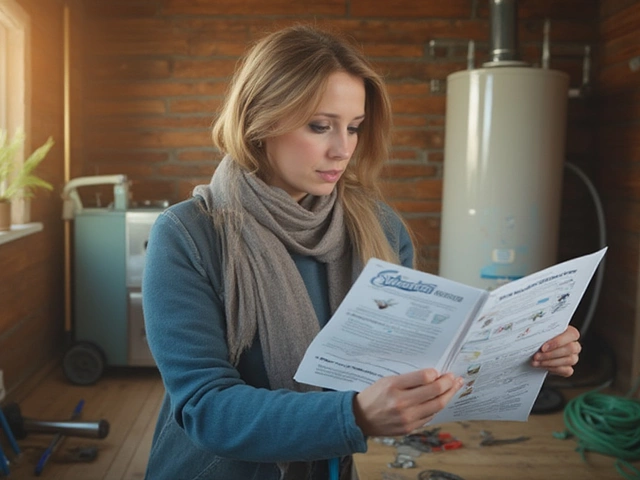
Wondering if you can flush your water heater yourself? Learn the step-by-step process, tools you'll need, and expert tips to extend your water heater's life.

Discover the essential roles appliances play in our daily lives and learn effective tips for maintaining their efficiency. From refrigerators to washing machines, each appliance features unique mechanics tailored for specific tasks. Grasping these functions is crucial for efficient servicing and longevity. Uncover surprising facts about how appliances work and ground yourself in practical maintenance advice to keep them running smoothly.
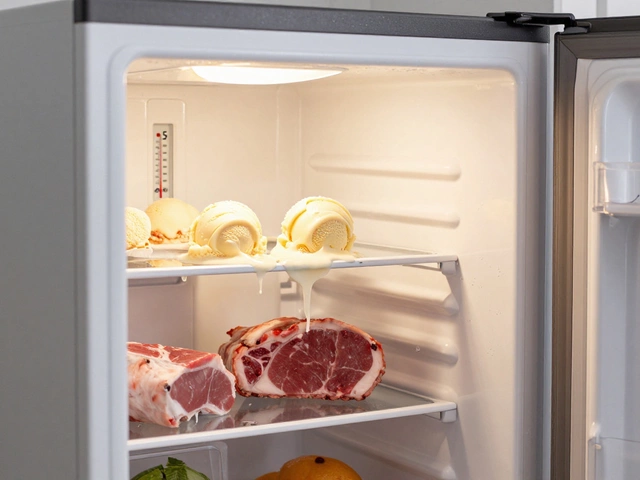
When your freezer stops freezing, food spoils fast and bills spike. Learn the top causes - from bad seals to failing compressors - and how to fix them yourself before calling a technician.