

Every home has that one gadget that decides to stop working at the worst time. The good news? Most of these hiccups have a clear cause and a simple fix. Below we break down the typical problems you’ll meet in the kitchen, laundry, and heating system, plus quick steps you can try before calling a pro.
Electric ovens not heating usually mean a bad heating element or a faulty thermostat. Check that the element glows when you turn the oven on; if it stays cold, replace it. A quick unplug, wait 30 seconds, then plug back in can reset a tripped safety switch.
Hob burners that won’t fire are often caused by a cracked element or loose wiring. Remove the burner, look for visible cracks, and swap it with a new one if needed. Make sure the power is off before you touch any wires.
Fridge light on but no cooling can be a dirty condenser coil or a failed compressor. Clean the coil at the back of the fridge with a brush, then listen for the compressor’s hum. If it’s silent, you may need a technician.
Extractor fans that lose suction often have clogged filters. Take out the filter, wash it with warm soap, and reinstall. If the fan still sounds weak, the motor might be worn and will need replacement.
Heat pumps not blowing warm air are usually stuck in the wrong mode or have a dirty filter. Switch the mode to ‘heat’ and replace the filter if it’s dirty. A quick reset on the unit’s power switch can sometimes clear minor electronics glitches.
Hot water that’s suddenly cold points to a broken dip tube or a stuck thermostat in the water heater. Turn off the heater, drain a few gallons, and check if the dip tube is cracked. Replacing the thermostat is a small job if you’re comfortable with basic wiring.
Repeated water‑heater resets often mean sediment buildup at the bottom of the tank. Flushing the heater once a year removes the buildup and protects the heating element.
When you spot any of these signs—no heat, strange noises, or obvious wear—it’s worth a quick visual check and a simple reset. Most problems are caused by a dirty part, a loose connection, or a component that finally gave out after years of use.
If the quick fixes don’t help, or if you’re unsure about handling electricity or gas, call a qualified repair expert. A professional can diagnose the exact issue, source the right part, and get your appliance back to normal without risking safety.
Remember, regular maintenance—cleaning filters, checking seals, and flushing water heaters—keeps many failures from ever happening. A few minutes of care each month can save you time, money, and a lot of hassle later on.
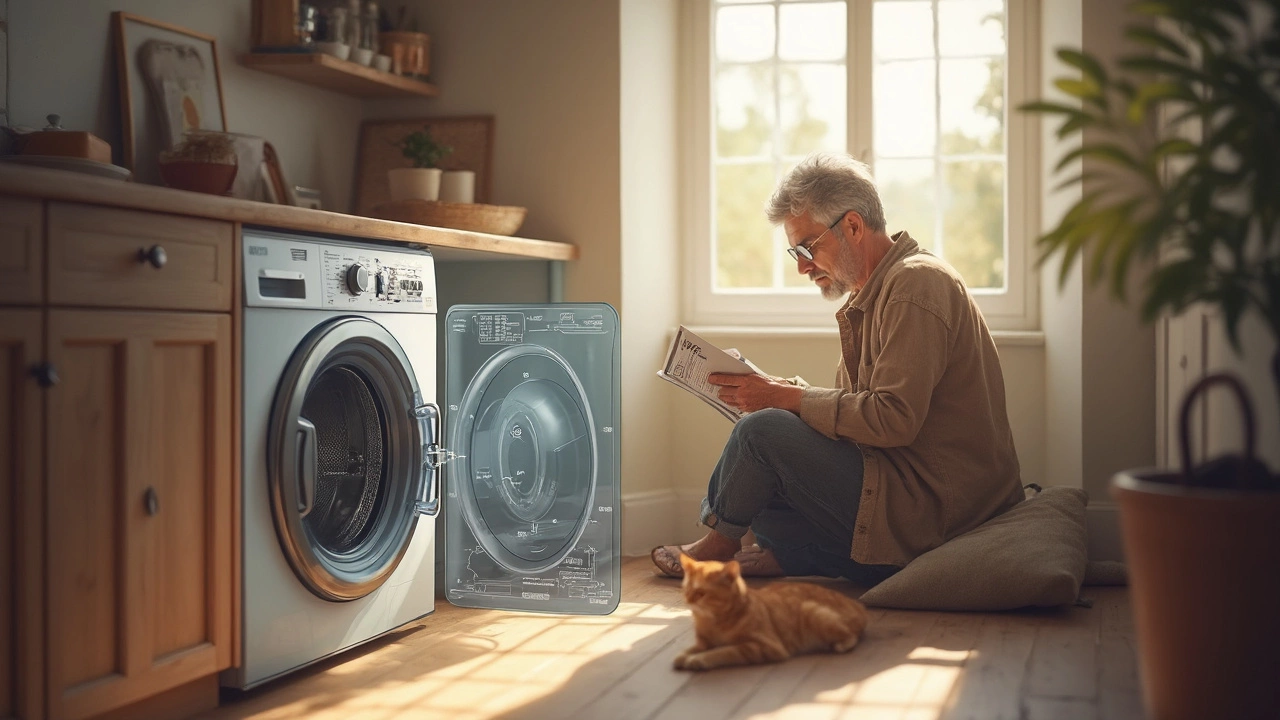
Discover which washing machine parts break down most often, why they fail, and how to prevent expensive repairs. Get tips to keep your washer running smoothly.

Keeping your home well-ventilated is essential, and extractor fans play a crucial role in maintaining air quality. Whether you're installing a new fan or repairing an old one, it's important to know who to call. Professional electricians and specialized ventilation technicians are the go-to experts. They ensure fans are properly installed and functioning efficiently, saving you from potential hassles down the road.

Microwaves are essential in modern kitchens, but when they break down, deciding whether to repair or replace them can be tricky. This article explores the factors that influence repair decisions, common microwave issues, and when it's more economical to buy a new one. It also offers tips on maintaining your microwave to prevent future problems. Understand the costs involved and make an informed choice on your kitchen appliances.
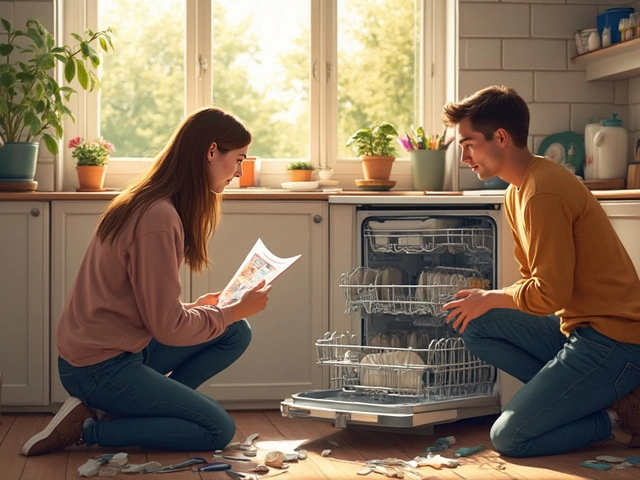
When your dishwasher starts acting up, a quick, accurate diagnosis can save you from bigger headaches and pricey repairs. This article walks through simple methods to spot dishwasher problems, from weird noises to stubborn leaks. You'll learn what to check first, how to tell if it's a DIY fix, and when it's time to call in a pro. Handy tips and real-life examples make this guide easy to follow, even if you're not a born handyman. Don't let a small hiccup become a kitchen disaster — know what to look for and act fast.
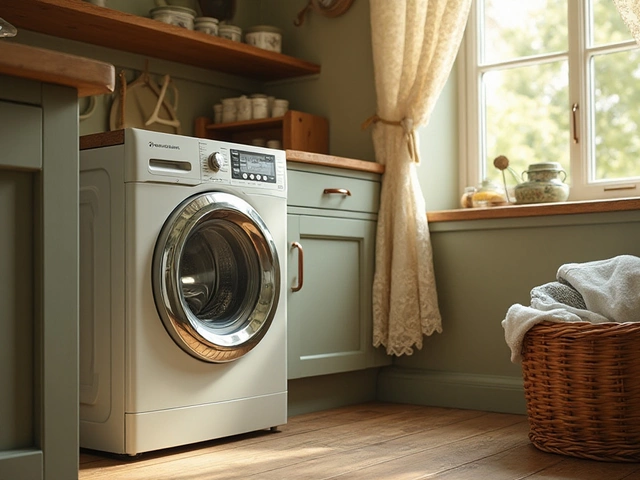
Choosing a reliable washing machine can be a daunting task given the numerous options available. This article provides insights into brands known for fewer repair issues and shares tips to maintain and extend the washer's lifespan. With technological advancements and design improvements, knowing how to select a durable washer can save time and money. Learn about the top performing washer brands based on recent studies and consumer reports. Also, discover interesting ways to keep your machine running smoothly.
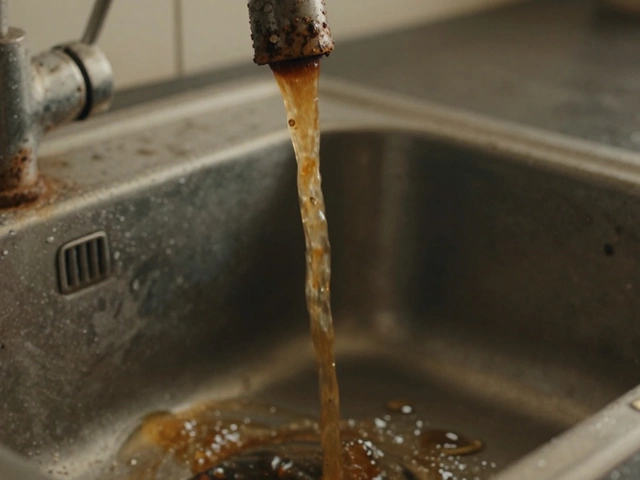
Watch for rusty water, leaks, strange noises, or no hot water-these are clear signs your water heater is failing. Age, higher bills, and bad smells mean it’s time to replace it before it breaks down.