
Heat Pump Repair or Replace Calculator
Based on the article:
- Safe DIY: Air filters, thermostat settings, outdoor debris (under $100)
- Professional required: Refrigerant, compressor, control board (over $500)
- Rule of thumb: If repair cost > 50% of new unit price, replace
Cost Analysis Result
Why this recommendation?
Heat pumps are one of the most efficient ways to heat and cool your home. But when they stop working, you’re left wondering: can you repair a heat pump yourself? The short answer? Sometimes. The real answer? It depends on what’s broken.
Most homeowners think heat pumps are like air conditioners or furnaces - something you can tinker with after watching a YouTube video. But heat pumps are more complex. They combine heating and cooling in one system, use refrigerant lines, have electronic controls, and often run on 240-volt circuits. One wrong move and you could make things worse - or worse, create a safety hazard.
When DIY Heat Pump Repair Makes Sense
You can handle a few basic fixes without calling a pro. These are the most common issues that are safe for non-experts to tackle:
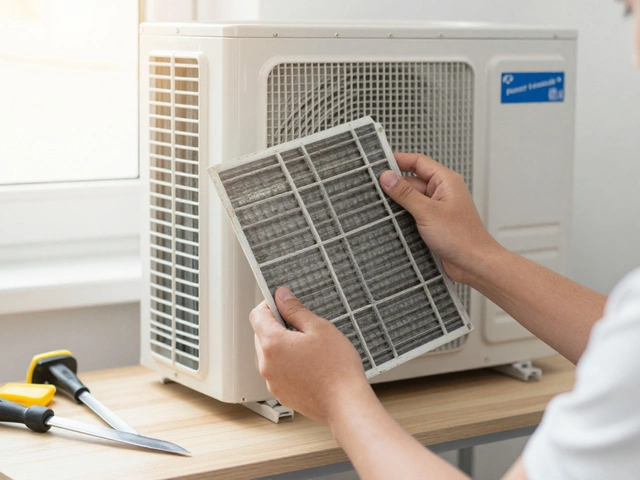
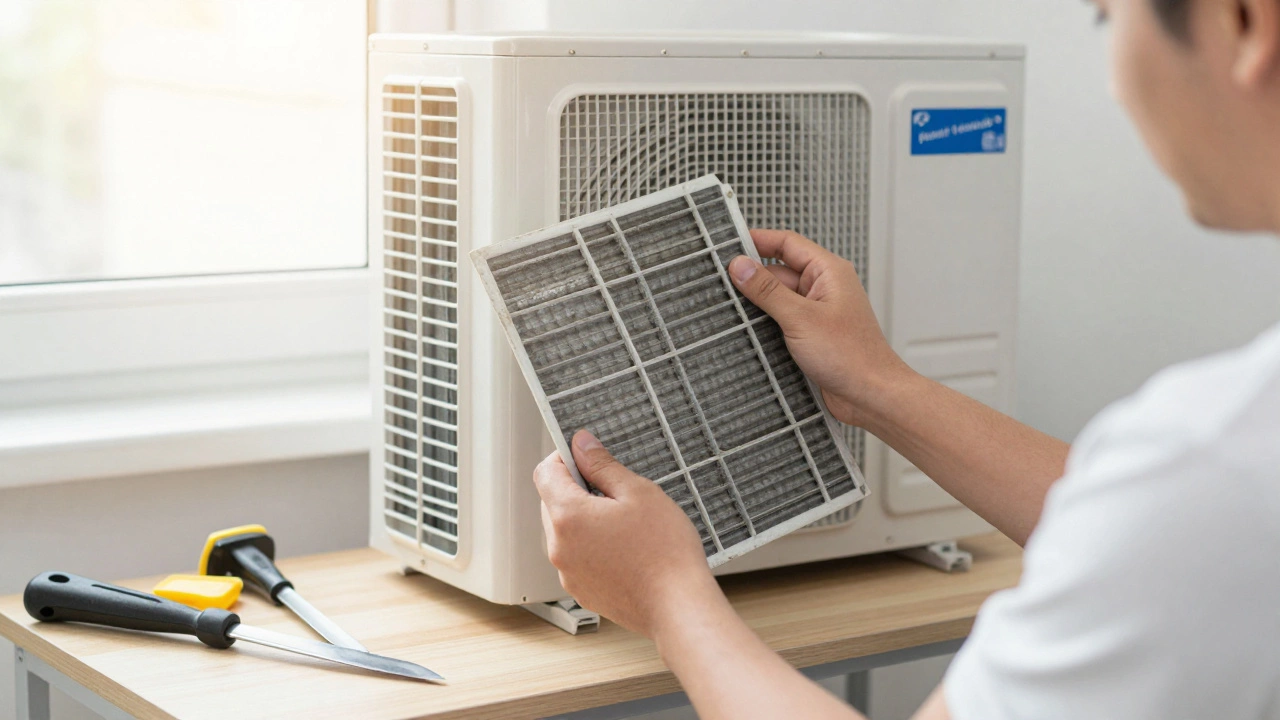
- Dirty air filters: Replace them every 1-3 months. A clogged filter cuts airflow, strains the system, and triggers error codes. It’s the #1 cause of heat pump inefficiency.
- Thermostat settings: Make sure it’s set to "heat" mode (not "emergency heat") and the temperature is higher than the room. Many "broken" heat pumps are just set wrong.
- Outdoor unit blockage: Clear leaves, snow, or debris from around the outdoor unit. Even a few inches of buildup can stop airflow and cause freezing.
- Tripped circuit breaker: Check your electrical panel. Heat pumps draw serious power. A tripped breaker is often the simplest fix.
- Ice on the unit: If you see ice on the outdoor coil, turn off the heat pump and let it thaw naturally. Then check the air filter and make sure the blower is running. If it ices up again, that’s a sign of a deeper issue.
These fixes take 10 minutes or less. If they don’t fix the problem, stop. Don’t keep poking around.
When You Absolutely Need a Professional
There are several problems that require a licensed technician. Trying to fix these yourself is risky and often illegal:
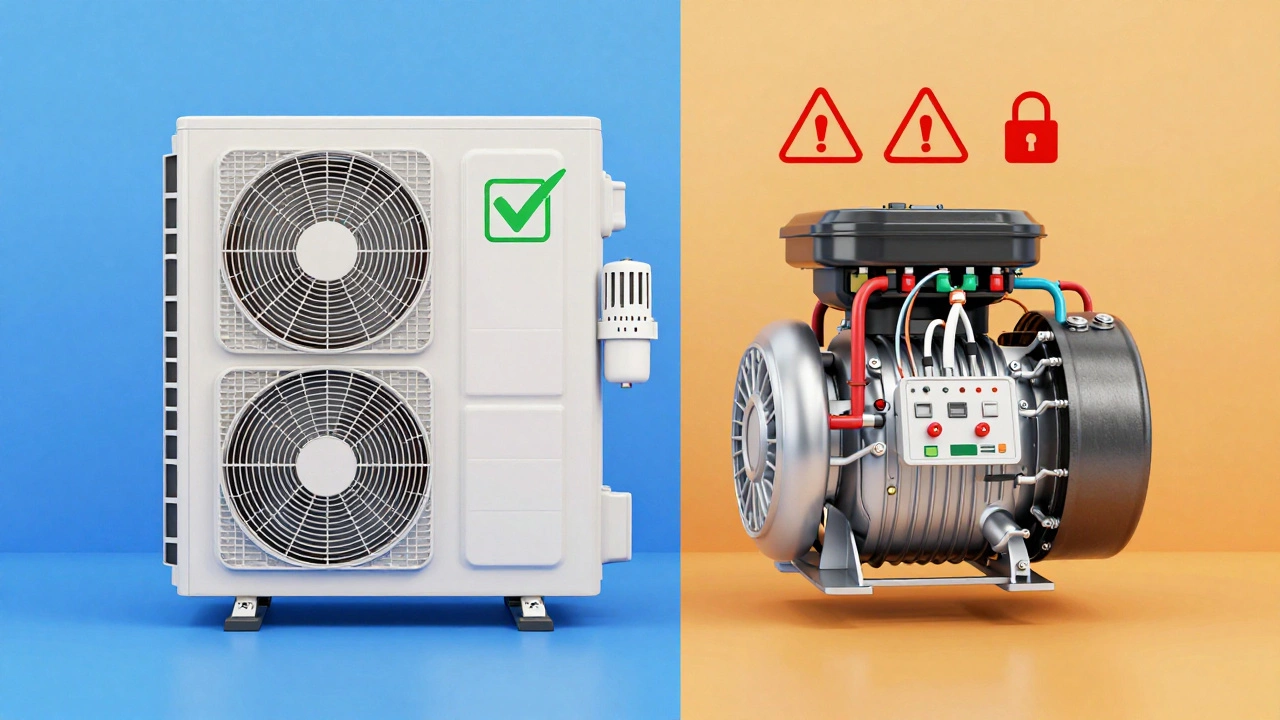
- Refrigerant leaks: Heat pumps use R-410A or newer refrigerants. Handling refrigerant requires EPA certification. If your system isn’t warming up properly and the filter and coils are clean, you likely have a leak. Adding refrigerant without fixing the leak is illegal and wastes money.
- Compressor failure: The compressor is the heart of the heat pump. If it’s making loud banging or humming noises, or the system won’t turn on at all, it’s probably dead. Replacing it costs $1,500-$3,000 - and only a pro can do it safely.
- Defrost cycle problems: Heat pumps automatically go into defrost mode to melt ice. If it’s not working, the unit will keep icing up. This is usually a faulty control board or sensor. Diagnosing this requires specialized tools.
- Electrical control board failure: Modern heat pumps have smart boards that manage temperature, fan speed, and defrost cycles. If the display is blank or flashing error codes like E1, F1, or H1, it’s likely a board issue. These aren’t user-replaceable.
- Strange smells or sounds: Burning smells, squealing belts, or grinding noises mean something’s failing internally. Don’t ignore them.
These aren’t "fixes." They’re replacements or repairs that need tools, training, and permits. Trying to open refrigerant lines without proper gear can cause frostbite. Working on live electrical panels can kill you.
How to Tell If Your Heat Pump Is Worth Repairing
Before you spend $800 on a repair, ask: is this unit even worth saving?
Heat pumps last 10-15 years on average. If yours is older than 12 years and you’re facing a major repair - compressor, control board, or refrigerant leak - it’s usually smarter to replace it. New heat pumps are 30-50% more efficient. You’ll save money on bills, get better comfort, and qualify for tax credits.
Here’s a quick rule: if the repair costs more than half the price of a new unit, walk away. A new heat pump costs $4,000-$8,000 installed. If your repair bill is over $2,500, replacement is the better long-term choice.
Also consider this: older heat pumps often use R-22 refrigerant - which was phased out in 2020. If your system still uses it, parts are scarce and prices are sky-high. Recharging an R-22 system now costs $500-$1,200 just for the refrigerant. That’s a red flag.
What a Professional Heat Pump Repair Actually Includes
When you call a technician, here’s what you should expect:
- Diagnostic fee: Most pros charge $75-$150 just to come out and find the problem. This is usually waived if you hire them for the repair.
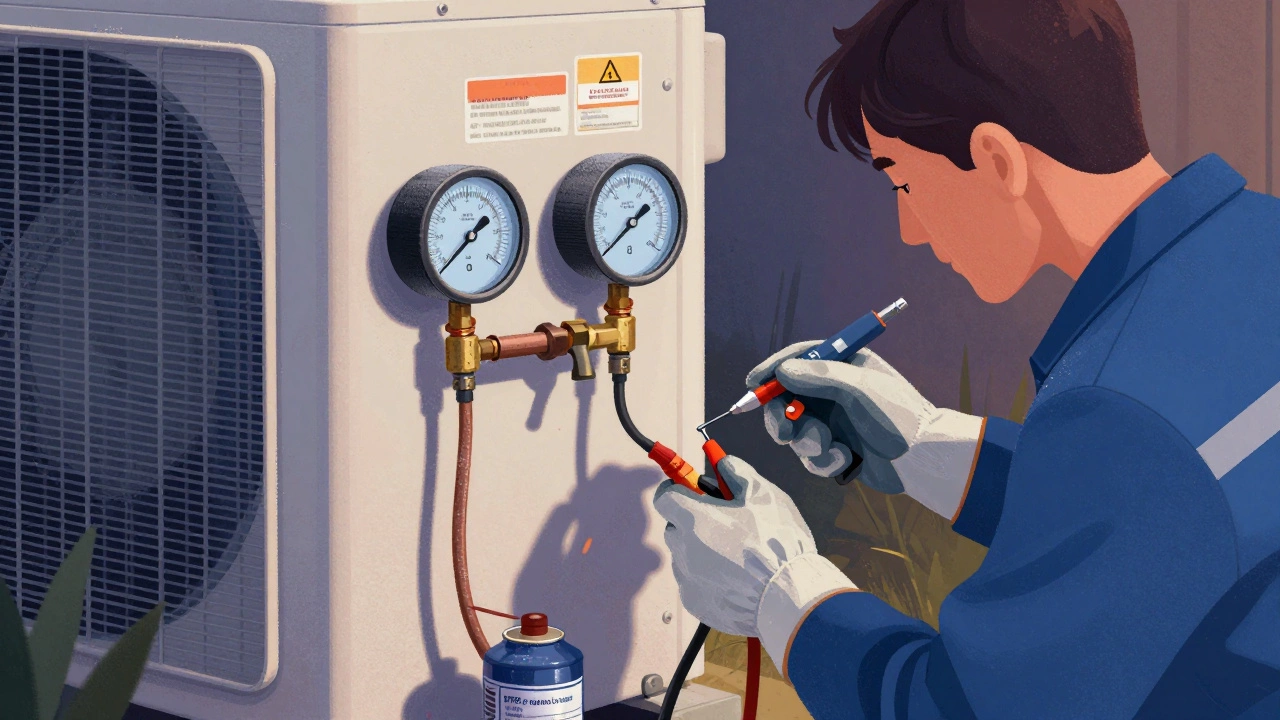
- System inspection: They’ll check refrigerant pressure, electrical connections, airflow, thermostat signals, and defrost cycle timing.
- Clear explanation: A good tech won’t just say "it’s broken." They’ll show you the issue - maybe even with a pressure gauge reading or a multimeter reading.
- Written estimate: You should get a detailed quote before any work starts. It should list parts, labor, and any warranties.
- Permits and compliance: Refrigerant repairs require EPA documentation. A licensed pro handles this.
Watch out for techs who skip the diagnostic or pressure-test the system. That’s a sign they’re guessing. A real repair takes time - at least 1-2 hours for a simple fix.
Preventing Future Heat Pump Problems
The best way to avoid repairs is regular maintenance. Do this every year:
- Change the air filter monthly during heavy use seasons.
- Clear snow and debris from the outdoor unit after every storm.
- Keep plants and shrubs at least 2 feet away from the outdoor unit.
- Check the condensate drain line for clogs - it’s usually a small PVC pipe near the indoor unit.
- Schedule a professional tune-up in early fall before heating season starts.
Annual maintenance costs $75-$150. It can extend your heat pump’s life by 5+ years and cut energy bills by 15-20%. That’s a no-brainer.
Final Verdict: Can You Repair a Heat Pump?
Yes - but only for simple, surface-level issues. Air filters, thermostat settings, and outdoor debris are fair game. Anything involving refrigerant, electrical components, or internal parts? Leave it to the pros.
Trying to fix a heat pump yourself might save $100 today - but if you mess up the refrigerant line or fry the control board, you could end up paying $3,000 to replace it. And that’s not even counting the time you wasted.
If your heat pump is acting up, start with the easy checks. If those don’t work, call a licensed HVAC technician. Don’t gamble with your home’s comfort - or your safety.