

Got a heat pump? It’s a great way to heat (and cool) your home, but like any machine it needs regular TLC. Skipping maintenance can lead to weak airflow, higher bills, or a total breakdown. Let’s walk through the most useful checks you can do yourself and when you should hand the job to a pro.
Start each spring and autumn with a quick visual inspection. Look at the outdoor coil – any leaves, dust, or spider webs will choke airflow. A garden hose on low pressure can clear the mess; just be gentle so you don’t bend the fins.
Next, peek at the indoor air filter. A clogged filter forces the fan to work harder, reduces heat output, and can trigger error codes. Replace or clean the filter every 30‑60 days during heavy use. It’s a cheap habit that pays off in smooth operation.
Check the refrigerant lines for signs of wear: cracks, corrosion, or loose connections. If you see oily spots or a hissing sound, that’s a leak and you need a qualified technician. Trying to top up refrigerant yourself is illegal in the UK and can damage the system.
Run the thermostat through all modes – heat, cool, fan‑only – and listen for strange noises. Rattles often mean a loose fan blade or motor mount. Tightening screws is usually a simple DIY fix, but if the sound persists, call an expert.
Finally, verify the condensate drain isn’t blocked. A clogged drain can cause water overflow and corrosion. Unplug the unit, then use a wet‑dry vacuum or a long brush to clear any debris.
If the heat pump won’t blow warm air, the problem could be a faulty reversing valve, low refrigerant, or a broken compressor. These components require specialist tools and certification, so schedule a service visit.
Heat pumps lose efficiency when outdoor temperatures drop below their design limit (usually around -5°C to -10°C for air‑source units). A professional can test the system’s performance, adjust settings, and advise if a supplemental heating source is needed for severe winters.
Regular professional servicing—once a year is ideal—keeps the warranty valid and catches hidden issues before they become expensive. Technicians will clean the coil, check electrical connections, test safety controls, and confirm the system’s airflow is within spec.
Don’t ignore warning lights or error codes. Most modern heat pumps display a fault code that points to the exact problem. A quick call to your local repair team with that code can speed up diagnosis and reduce downtime.
By staying on top of these simple tasks, you’ll extend your heat pump’s lifespan, keep energy bills down, and avoid the frustration of a cold house in the middle of winter. Need help? Our Bognor Regis Appliance Repair Experts are just a call away for fast, reliable service.
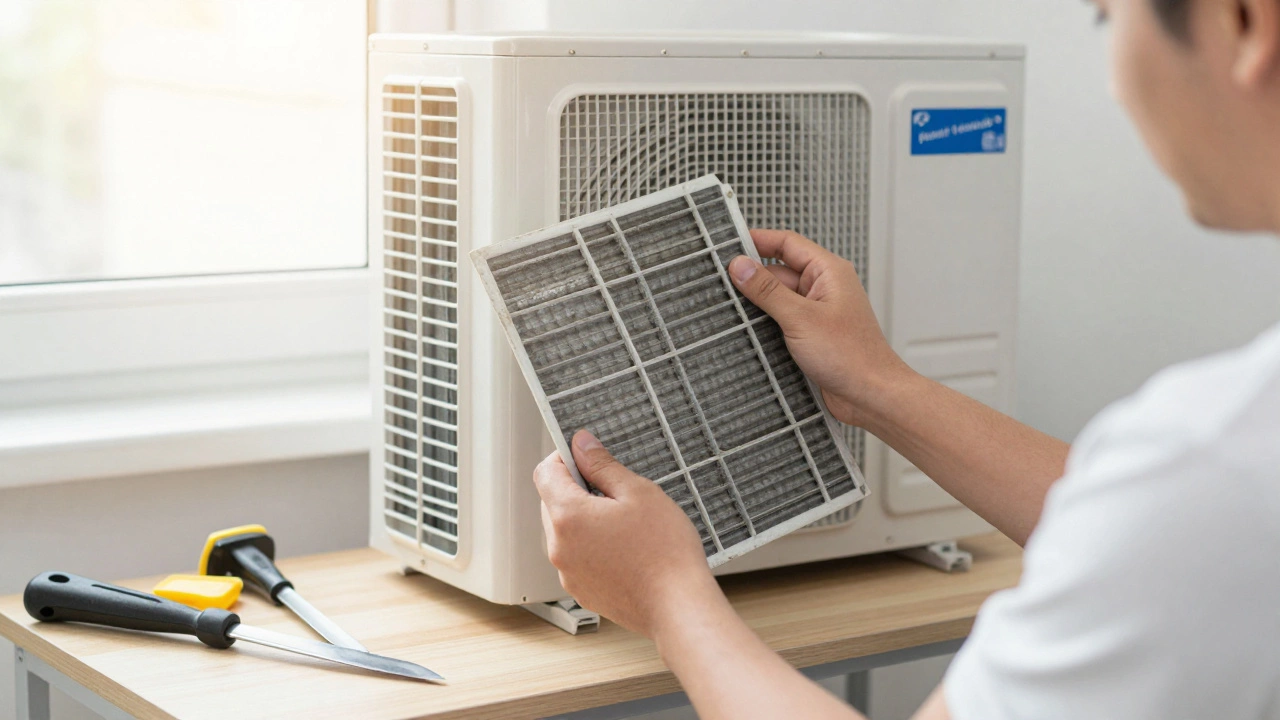
You can fix some heat pump issues yourself - like dirty filters or tripped breakers - but refrigerant leaks, compressor failures, and electrical problems require a professional. Know the limits before you try a DIY repair.

Heat pumps are reliable, but they aren’t perfect. Most people run into the same headache: their heat pump is running, but the air isn’t getting warm (or cool) enough. This article breaks down why this happens, what you can do before calling a pro, and how to keep your heat pump running smoothly. Get to know the main reasons behind weak heat and poor air flow, and pick up easy tips to avoid repeat problems. It’s practical info every homeowner can use.

Is your 10 year old dryer gasping for air, and you’re wondering if it’s time to fix or toss it? This article breaks down how long dryers usually last, what typical repair costs look like, and when it just makes more sense to get a new one. You’ll find smart tips to figure out if fixing an older dryer is throwing good money after bad or saving yourself from an expensive upgrade. Get real-life advice that skips the fluff and gets to the point.

Annoyed by standing water at the bottom of your dishwasher? This article breaks down why your dishwasher isn't draining, what can cause it, and how to troubleshoot the most common issues. Learn about clogged filters, garbage disposal connections, and more. I'll also share some handy tips to help you prevent problems in the future. Whether you're a first-timer or have dealt with dishwasher headaches before, you’ll find practical advice here.

When your water heater only puts out cold water, it’s more than just annoying—it can point to real problems inside the unit. This article breaks down the most common reasons behind a water heater that refuses to warm up, from tripped breakers to busted heating elements. You’ll find tips on quick checks you can do at home before calling a pro, plus some unexpected facts about how water heaters really work. Knowing what’s wrong can save you from a frigid morning shower and a giant repair bill. Get ready to tackle that cold water problem with practical advice you can use right away.
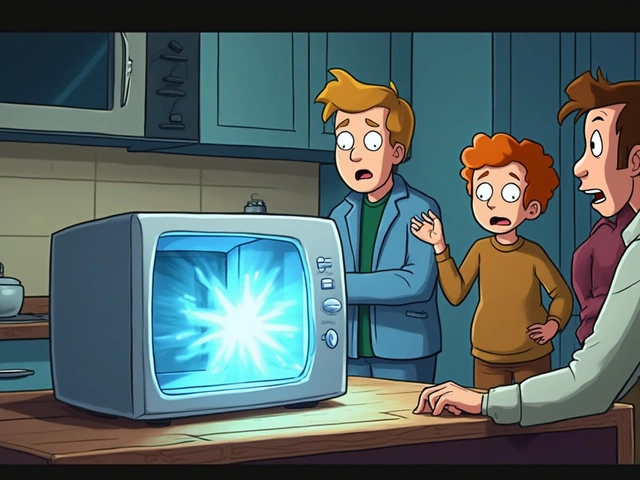
When your microwave starts making strange noises or fails to heat your food, it might be time to think about the magnetron. It's like the heart of your microwave, but is it worth the trouble to replace it or should you just buy a new one? This article explores the costs, benefits, and the nitty-gritty of magnetron replacement, throwing in some pro tips to help you make the right decision.

Ready to buy a new dishwasher? Check this guide for 2025's most unreliable dishwasher brands, stories you won't believe, and tested buying tips no one else will give you.