

If your boiler is making funny noises or your radiators feel cold, you’re probably wondering how much fixing it will set you back. Knowing the real drivers behind boiler costs helps you avoid surprise bills and decide whether a repair or a full replacement makes sense for your home.
First, the type of boiler matters. A modern condensing boiler typically costs more to install than an older combi, but it also saves you money on fuel bills. Age is another big factor – a unit over 10‑12 years old often needs more parts and labour, pushing the price up. Size and output rating matter too; a larger system for a big house uses more material and time.
Brand and model play a role as well. Premium manufacturers charge higher parts prices, while generic brands may be cheaper but less reliable. Your location influences labour rates – in Bognor Regis, certified Gas Safe engineers charge around £70‑£90 per hour, which can vary with emergency call‑outs after hours.
Finally, the specific fault decides the bill. Replacing a faulty pump is usually a few hundred pounds, whereas fixing a cracked heat exchanger can run into the thousands. Always ask for a detailed quote that separates parts, labour and any extra charges like travel or waste disposal.
When you get a quote, compare it to the boiler’s remaining life. A good rule of thumb is: if repair costs exceed 50 % of a new unit’s price, you’re better off replacing. A brand‑new condensing boiler costs between £1,500 and £3,000 installed, so a repair over £800‑£1,000 should raise a red flag.
Efficiency is another clue. Older boilers lose heat faster and may trigger higher energy bills. Swapping to a high‑efficiency model can cut heating costs by 10‑30 %, often paying for itself in a few years. Safety can’t be ignored – a cracked pressure vessel is a serious risk, and no amount of patching will make it safe.
If your boiler is under warranty, check whether the repair is covered. Some manufacturers will replace a faulty part for free, which can tip the scales toward repair. Also, think about financing: many local installers offer payment plans that spread the cost of a new boiler over 12‑24 months.
In short, add up the repair quote, the age of the unit, its efficiency rating and the potential energy savings from a new model. If the numbers point to a replacement, it’s usually the smarter, long‑term choice.
Whatever you decide, don’t gamble on cheap, unqualified fixes. A properly serviced boiler runs smoother, lasts longer and keeps your home warm without surprise breakdowns. If you need a clear, honest estimate for any boiler work in Bognor Regis, give Bognor Regis Appliance Repair Experts a call – we’ll break down the costs, explain your options and get your heating back on track without hidden fees.
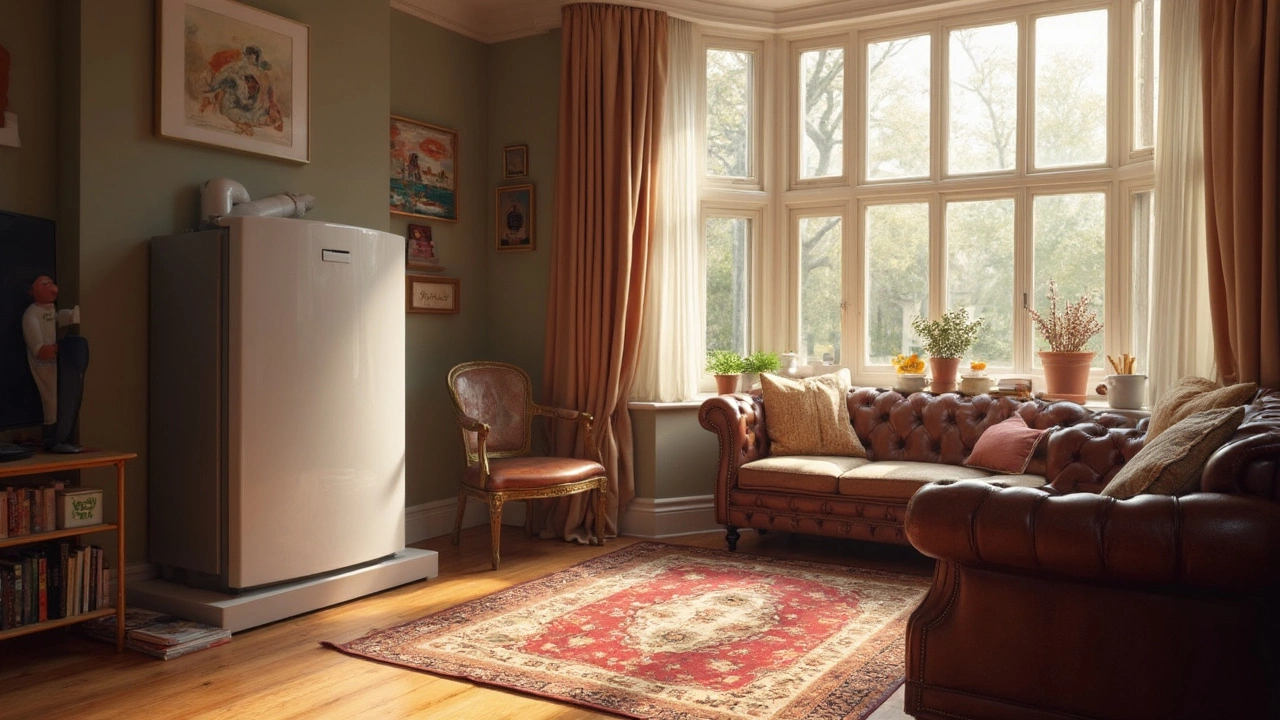
Curious about how much a new boiler might set you back? This article breaks down the costs involved, from purchasing the unit to installation fees. Understand the factors that influence pricing and learn practical tips to get the most value from your investment. Discover essential maintenance advice and the importance of proper sizing and efficiency ratings. Equip yourself with knowledge before making a decision about your home's heating system.
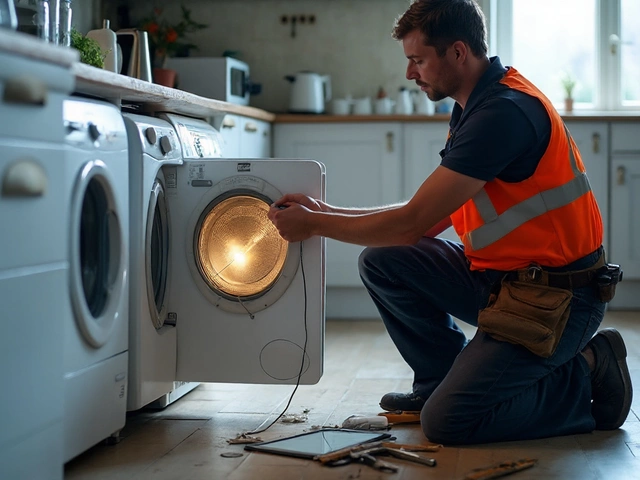
Front-load tub/drum assemblies and top-load transmissions are usually the priciest washer repairs. See real costs, how to diagnose, and when to fix or replace.
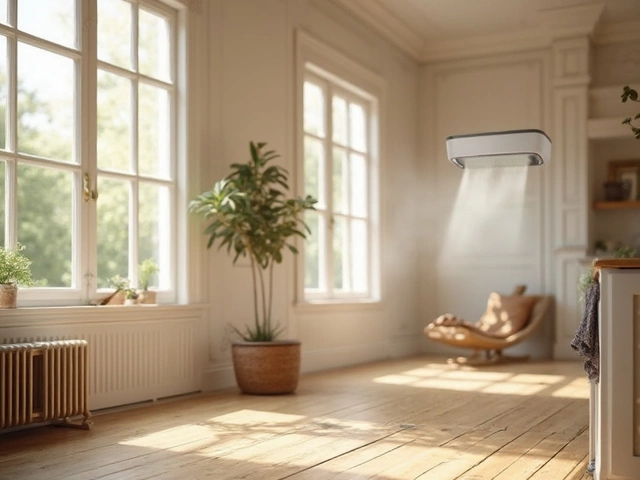
Trying to figure out if you need a ventilation fan or an extractor fan? This article breaks down the differences between the two, explains how each one works, and shares tips for choosing and maintaining the right fan for your home. You’ll also pick up advice on recognizing issues, making easy repairs, and knowing when it's time to replace. If you’ve got problems with humidity, bad smells, or stuffy air, this guide is for you.
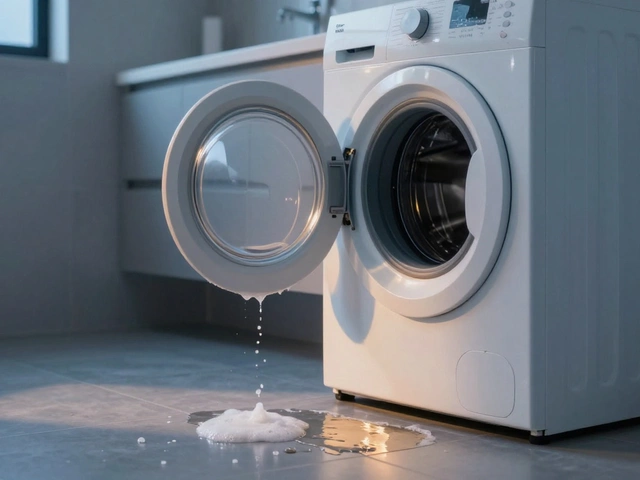
Discover the most common washing machine failures, from blocked filters to bearing issues. Learn how to diagnose leaks, spinning problems, and electronic glitches yourself.
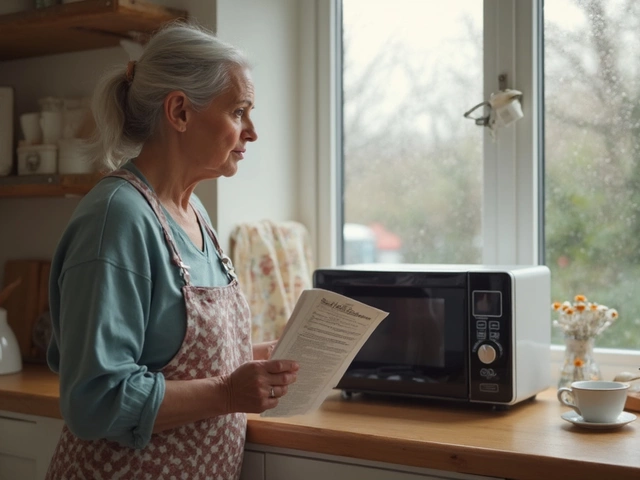
Wondering if you can fix your microwave at home instead of tossing it and buying a new one? This article breaks down common microwave problems, what you can safely handle, and when it's better to call a pro. Get practical tips that actually make a difference, plus real talk about microwave safety. Save yourself time, money, and stress with easy-to-follow advice. Tackling your appliance repair just got a whole lot simpler.

Deciding whether to repair or replace your hot water heater can feel overwhelming. This article explores practical considerations, including the age of the unit, repair costs, and long-term benefits. By understanding essential factors like energy efficiency and potential savings, homeowners can make informed decisions. Discover useful tips and interesting facts to help you choose the best course of action for your specific situation.