Freezer Troubleshooter
Identify your freezer issue by selecting symptoms. Get immediate guidance on causes and fixes.
Select Symptoms
Results will appear here
Select symptoms above and click "Diagnose Problem"
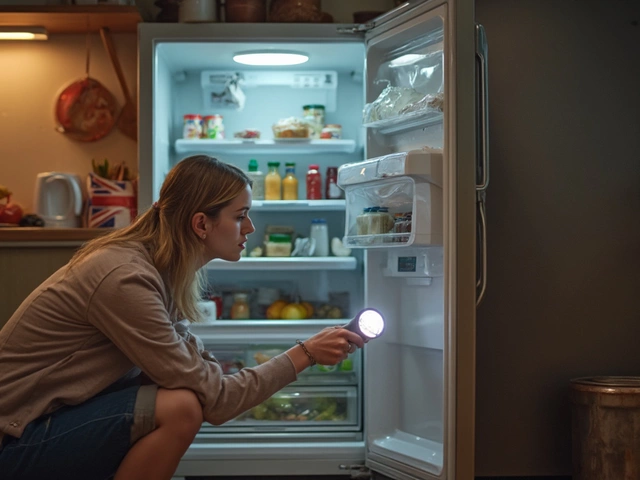
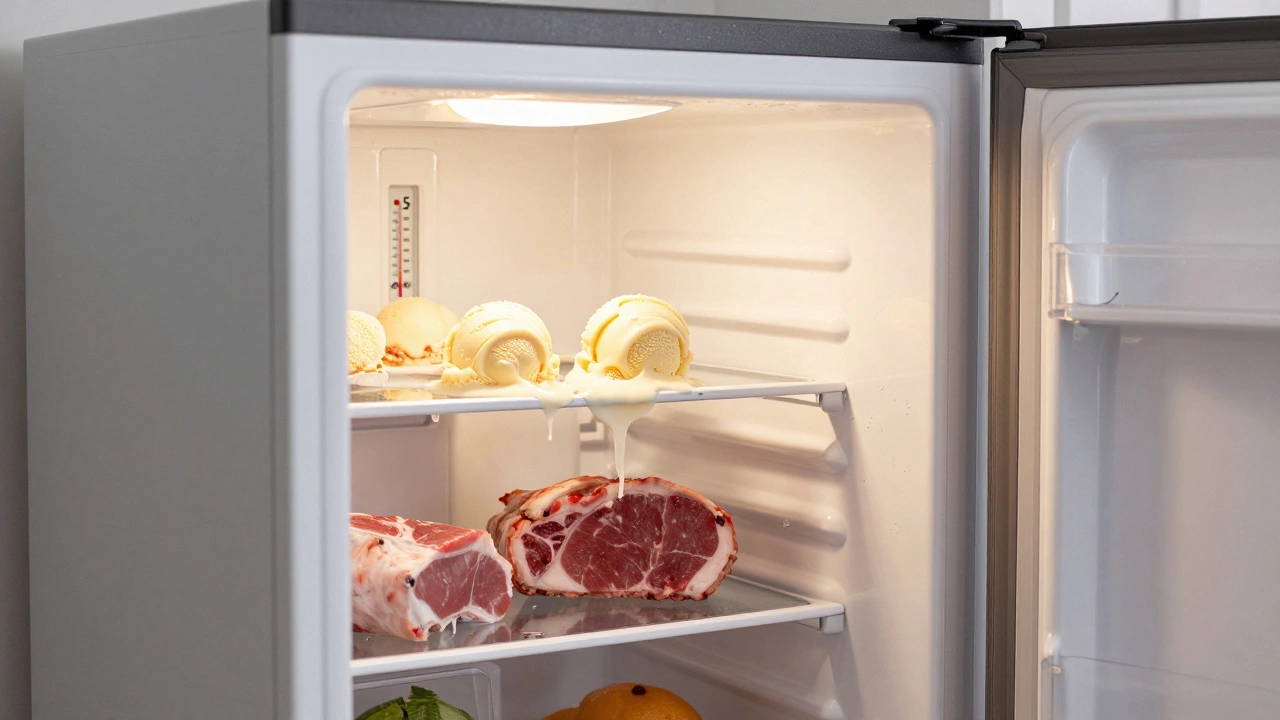
When your freezer stops freezing, your food doesn’t just go bad - it becomes a safety hazard. Ice cream melts into a puddle. Meat thaws and starts to smell. Frozen vegetables turn into soggy mush. And if this happens overnight, you’re left staring at a warm, useless box full of spoiled groceries. It’s not just inconvenient - it’s expensive. The average UK household loses over £200 in food when a freezer fails. But before you panic and call a repairman, there are a few things you can check yourself. Most freezer problems aren’t fatal. They’re fixable - if you know where to look.
Is the freezer actually not cold, or is it just the thermostat?
First, confirm the freezer isn’t freezing. Put a small container of water in the freezer and leave it for four hours. If it’s still liquid, the freezer isn’t working. If it’s frozen, the problem might be the thermostat or a sensor glitch. Many modern freezers have digital displays that show the temperature. If it reads above 0°C (32°F), it’s not freezing properly. Anything above 4°C is a red flag. The ideal freezer temperature is between -18°C and -20°C. Anything warmer than that and bacteria can start to grow, even in frozen food.
Check the door seal
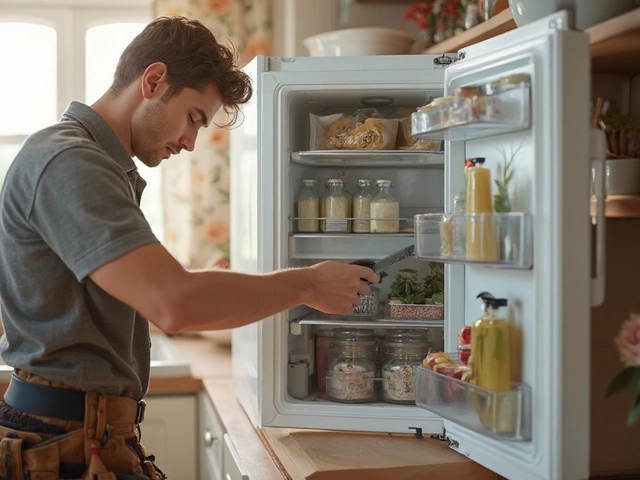
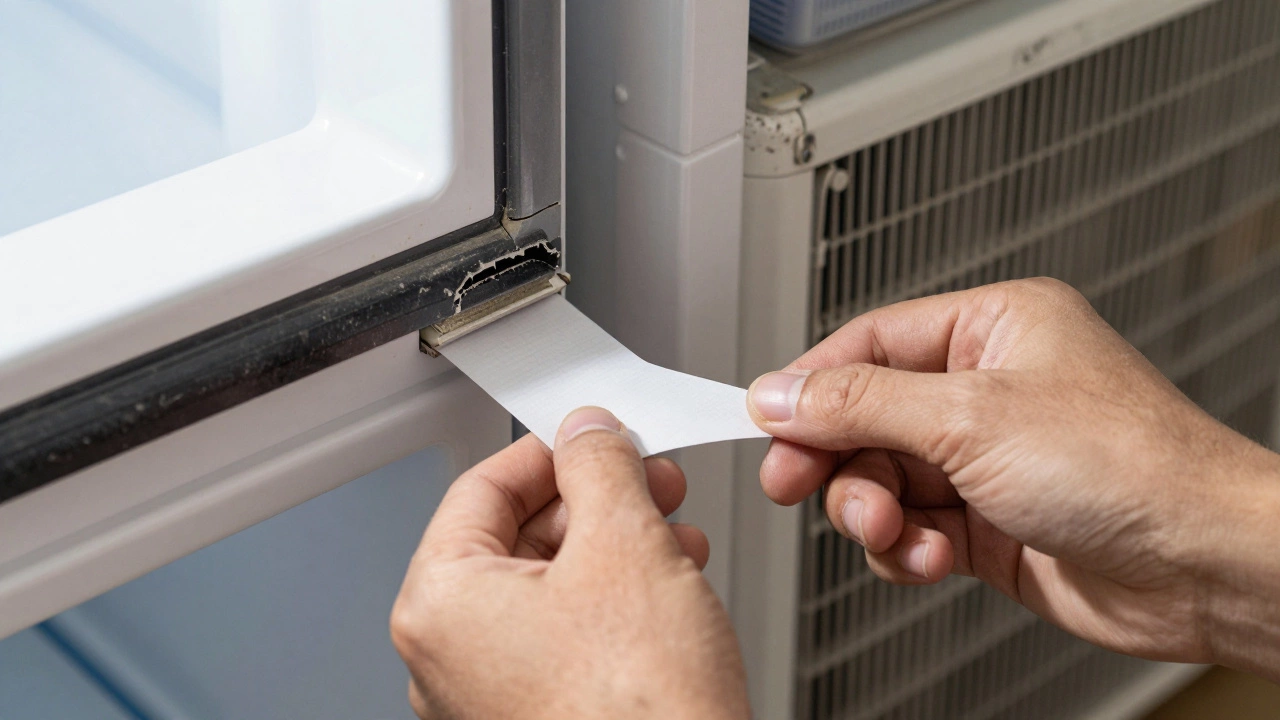
A broken door seal is one of the most common reasons freezers stop working right. If cold air leaks out, the compressor has to work harder - and eventually, it gives up. To test the seal, close the door on a piece of paper. Try to pull it out. If it slides out easily, the seal is worn. If it sticks, the seal is still good. You’ll often find cracks, stiffness, or gaps around the edges. A damaged seal lets in warm, moist air. That air turns into frost inside the freezer, which then blocks airflow and makes the cooling system inefficient. Replacing the gasket costs under £20 and takes 15 minutes. You don’t need a technician.
Frost buildup is hiding the real problem
If your freezer is covered in thick ice - more than 5mm - it’s not just a nuisance. It’s a blockage. Frost builds up when humid air gets inside and freezes on the evaporator coils. That ice acts like insulation, trapping cold air inside the freezer but preventing the coils from cooling the interior. The compressor runs non-stop, but the temperature stays high. This is called frost buildup. Manual defrost freezers need to be unplugged and emptied every six months. Frost-free models should defrost automatically. If they don’t, the defrost timer or heater has failed. You can often fix this by unplugging the freezer for 24 hours, letting all the ice melt, then plugging it back in. If it works again, the issue was temporary. If not, the defrost system is broken.
The compressor is the heart - and it’s failing
If you hear a faint hum but no cold air, the compressor might be struggling. If you hear nothing at all, it could be dead. The compressor is what pumps refrigerant through the system. Without it, nothing cools. You can test it by unplugging the freezer, waiting five minutes, then plugging it back in. If it clicks loudly and starts running, it’s still alive. If it stays silent, or if it runs but doesn’t get cold, the compressor may be failing. Compressors don’t usually die suddenly - they wear out over time. Signs include: loud buzzing, overheating, or a smell of burning plastic. Replacing a compressor costs between £300 and £500. Often, it’s cheaper to replace the whole freezer, especially if it’s over eight years old.
Blocked air vents or dirty condenser coils
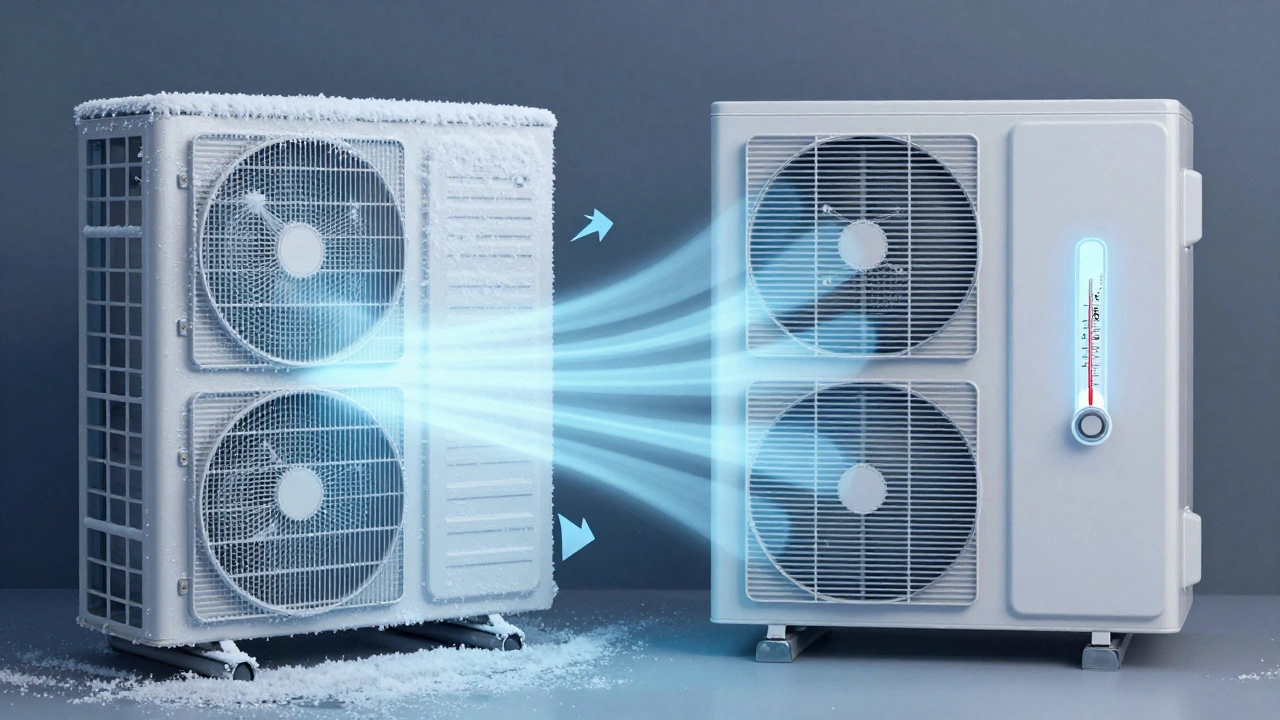
Freezers need airflow to work. Behind or underneath your freezer, there are condenser coils. These get hot as they release heat from inside the unit. If they’re covered in dust, lint, or pet hair, they can’t do their job. The freezer overheats, shuts down, or runs constantly without cooling. Clean the coils every six months. Unplug the freezer, pull it out from the wall, and use a vacuum with a brush attachment. Don’t use water. Dust buildup is the number one reason freezers fail in homes with pets or dusty environments. Also check the air vents inside the freezer. If they’re blocked by food bags or containers, cold air can’t circulate. Move items away from the back wall and vents.
Refrigerant leaks - rare, but serious
If your freezer was working fine and suddenly stopped cooling, and you’ve ruled out everything else, a refrigerant leak is possible. This is rare in modern units, but it happens. Signs include: no frost on the coils (even after cleaning), a hissing sound, or a sweet chemical smell. Refrigerant is not something you can top up yourself. It requires a certified technician with special tools and licensing. In the UK, only engineers with F-Gas certification can handle refrigerants. If you suspect a leak, unplug the freezer immediately. Refrigerant is harmful to the environment and can be dangerous if inhaled. Most manufacturers won’t cover leaks after the warranty expires. If your freezer is older than five years, a leak usually means it’s time to replace it.
What to do next: A step-by-step checklist
- Unplug the freezer and remove all food. Put perishables in a cooler with ice packs.
- Check the temperature setting. Make sure it’s not accidentally turned up.
- Test the door seal with the paper test.
- Defrost the freezer completely if there’s thick frost.
- Clean the condenser coils behind or underneath the unit.
- Listen for the compressor. If it’s silent, try resetting the power.
- If none of this works, call a certified appliance technician - or consider replacement.
When to replace instead of repair
Freezers older than 10 years are rarely worth fixing. Energy efficiency drops sharply after that. A 15-year-old freezer uses nearly twice as much electricity as a new A+++ model. The UK government’s Energy Saving Trust estimates that replacing an old freezer can save you £40 a year on bills. If the repair cost is more than half the price of a new unit, walk away. A good upright freezer costs between £300 and £600. A chest freezer can be as low as £250. Look for models with an A+++ rating and a five-year warranty. Many retailers offer free removal of old units when you buy new. Don’t just dump it - recycling centres accept old appliances for free.
Prevent it from happening again
- Keep the freezer at least 5cm away from the wall for airflow.
- Don’t overload it - air needs to circulate.
- Defrost manually every 6 months if it’s not frost-free.
- Check the door seal every few months.
- Keep the coils clean - vacuum them twice a year.
- Use a freezer thermometer to monitor temperature. They cost under £10 and are worth it.
Freezers are built to last, but they need care. Most failures aren’t sudden. They’re slow. The compressor strains. The seal wears. The coils get dusty. You don’t notice until it’s too late. But if you check these simple things every few months, you’ll avoid the mess, the cost, and the panic. Your food - and your wallet - will thank you.
Why is my freezer cold but not freezing?
If the freezer feels cold but food isn’t freezing, the temperature is likely above -18°C. This usually means the thermostat is faulty, the door seal is leaking, or frost has built up on the evaporator coils. Clean the coils, test the seal, and check the temperature with a thermometer. If the display reads 0°C or higher, the control system may need recalibration or replacement.
Can I fix a freezer leak myself?
No. Refrigerant leaks require certified technicians with F-Gas certification. Attempting to fix it yourself is dangerous and illegal in the UK. Refrigerant is toxic if inhaled and harmful to the environment. If you smell a sweet chemical odor or hear a hiss, unplug the freezer and call a professional immediately. Most warranties don’t cover leaks after the first year.
How long should a freezer last before needing repair?
Most freezers last between 10 and 15 years with proper care. After 8 years, repairs become less cost-effective. The compressor, seals, and electronic controls start to wear out. If your freezer is over 10 years old and needs a major repair like a compressor or PCB replacement, it’s usually better to replace it. New models are more energy-efficient and come with better warranties.
Is it normal for a freezer to run constantly?
No. A freezer should cycle on and off. If it runs non-stop, something is wrong. Common causes include a dirty condenser coil, a failing door seal, a blocked air vent, or a faulty thermostat. A constantly running compressor overheats and burns out faster. Clean the coils, check the seal, and ensure nothing is blocking airflow. If it still runs non-stop, the thermostat or control board likely needs replacing.
Should I unplug my freezer if it’s not freezing?
Yes - especially if it’s not cooling at all. Leaving it plugged in when it’s not working can strain the compressor or cause electrical damage. Unplug it, remove all food, and clean the unit. If you’re planning to repair it, leaving it unplugged for 24 hours can help melt built-up ice and reset the system. If it still doesn’t work after that, it’s time to call a technician or replace it.