

Got a washing machine that won’t spin or an oven that stays cold? Before you dial a repair service, grab a pen and follow these simple checks. Most household appliances give clear clues when something’s wrong, and a quick test can save you time and money.
Start with the power supply. Unplug the unit, wait a minute, then plug it back in. If the display or lights don’t come on, check the fuse or circuit breaker. A tripped breaker is an easy fix.
Next, listen for unusual noises. A humming fridge that’s still warm often means the compressor is struggling. Give the back of the fridge a gentle shake – if it rattles, the compressor may need a professional look.
For ovens, the most common symptom is uneven heating. Run a simple thermometer test: place an oven‑safe thermometer in the middle, heat to 180 °C, and compare the reading after ten minutes. A difference of more than 20 °C points to a faulty element or thermostat.
Dishwashers that won’t drain usually have a blocked pump or a kinked hose. Remove the bottom panel, locate the pump, and check for debris. A quick clean often restores flow.
Heat pumps that stop blowing warm air can be traced to a clogged filter or low refrigerant. Locate the filter (often behind a front grille), clean it with a vacuum, and see if airflow improves.
If you’ve checked power, filtered the air, and cleared obvious blockages but the problem persists, it’s time to bring in an expert. Electrical faults, gas leaks in boilers, or sealed‑system refrigerant issues require specialised tools and certifications.
Also, any sign of water leakage around a water heater, boiler or washing machine should be handled quickly to avoid damage. A professional can locate the source, replace seals, or recommend a replacement if the unit is near the end of its lifespan.
Lastly, don’t ignore recurring faults. If a fridge has needed a new thermostat twice in three years, the underlying issue may be a failing compressor, which is not a DIY job.
By running these quick checks, you’ll know whether a simple fix is enough or if a qualified technician is required. It saves you from unnecessary calls and gives you confidence that your appliances stay in good shape.
Remember, regular maintenance—like cleaning filters, checking hoses and flushing water heaters—keeps most problems from surfacing. A little routine care now stops a big repair later.
Feel free to explore our other guides on specific appliances: heat pump lifespan, oven element replacement, or how to flush a water heater. Each article walks you through step‑by‑step fixes, so you can handle most issues without a fuss.
Got a question that isn’t covered here? Drop a comment, and we’ll add a quick troubleshooting tip. Happy diagnosing!

Find out how to tell if your oven’s heating element or thermostat is busted with simple tests, warning signs, and expert tips you can trust.

Wondering if you can fix a faulty gas hob? This article explains what repairs are possible, which issues you can tackle yourself, and when to call in a pro. Get down-to-earth tips on spotting common problems, safety advice, and how regular care can extend your hob’s life. We cover everything from spark ignition troubles to stubborn burners that won’t light. Know what you’re dealing with and avoid expensive mistakes.

Wondering how long it takes to swap out an old boiler for a new one? This article spells out exactly how much time you’ll need, what really affects the timeline, and offers practical tips to speed things up. Get the full breakdown, including what you can do before installation day and how to avoid surprises. If you want your heat and hot water back fast, this guide is for you. Find out what to expect from your boiler replacement and how to stay one step ahead.

Discover how long extractor fans last, what shortens their life, and tips to maximize their lifespan in your kitchen or bathroom. Practical, clear advice from real experience.

Figuring out if your microwave is on its last legs can save you a lot of hassle. There are various signs that might indicate it's time for a fix or a replacement. Understanding these symptoms can help maintain your kitchen's efficiency. Here’s what you need to watch for: strange noises, inconsistent heating, and more. Catch these early, and you might avoid a total breakdown.
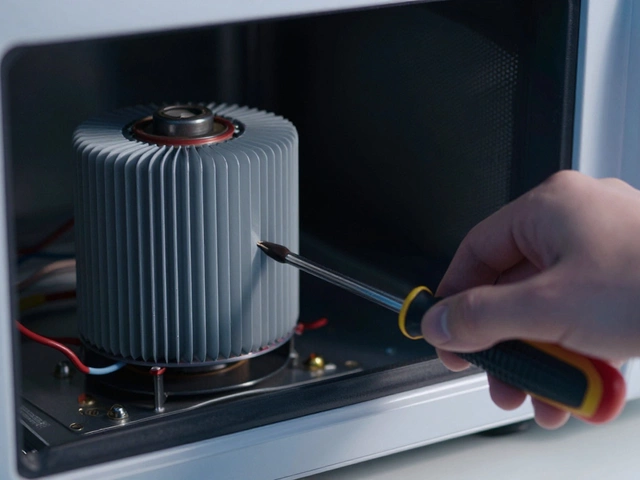
Fixing your own microwave might seem easy, but the high-voltage capacitor inside can deliver a lethal shock-even when unplugged. Here's why DIY repairs are dangerous and what you should do instead.