

Welcome to our August archive. If you’ve ever wondered how to swap a broken electric hob element or why your oven won’t heat, you’re in the right place. We’ve packed this month’s posts with hands‑on advice that saves you a call‑out and keeps your home running smoothly.
First up, the electric hob. Replacing a faulty element isn’t rocket science – just turn off the power, remove the old burner, and snap the new one in place. Our step‑by‑step guide walks you through each move, so you can get the hob back to boiling water in no time.
Got an oven that refuses to heat? Most of the time the culprit is a broken heating element or a tripped thermal fuse. We show you how to test the element with a multimeter and replace it if needed. The same page gives maintenance tips like cleaning the thermostat sensor to prevent future headaches.
Thinking about repairing a broken cooker? Before you decide to ditch it, check the cost of fixing the ignition, gas valve or control board. Our cost breakdown helps you compare repair versus replacement, so you won’t overspend.
If the kitchen extractor fan sputters or makes weird noises, you can likely replace it yourself. We list the tools you’ll need, the safety steps to disconnect electricity, and the right way to seal the new fan to avoid leaks.
Stove problems often boil down to two issues: a faulty heating element or a busted control switch. Spotting a dead burner or an unresponsive knob is easier than you think. Our troubleshooting checklist lets you pinpoint the fault before you order a part.
Heat pumps that stop blowing warm air usually suffer from clogged filters or low refrigerant. We walk you through cleaning the filter, checking the thermostat settings, and when to call a pro for a refrigerant top‑up.
Cold showers are usually a sign of a failing water heater or a broken thermostat. Our guide covers the quick checks – like looking for a tripped breaker or a leak – and the simple fixes you can try before booking a service.
Finally, if you’re wondering how long a washing machine should last, we break down the typical lifespan, the tell‑tale signs of wear, and maintenance tricks that add years to its life. From cleaning the filter to balancing the drum, a few easy steps can keep your washer humming.
All these posts share one goal: give you the confidence to tackle common appliance problems without the stress. Bookmark the guides you need, grab a screwdriver, and let’s get fixing. If a repair feels beyond your skill level, our experts in Bognor Regis are just a call away – but you’ll have a solid start thanks to our August tutorials.

Can you replace an electric hob element? Absolutely! This hands-on guide dives into safe, practical steps for swapping out faulty burners and keeping your electric hob in top shape.

Got an electric oven that's not heating? Discover the most common issues, why they happen, and how you can fix or prevent them without calling a pro.

Thinking about repairing your cooker? This guide covers repair costs, when to fix or replace, and expert tips to help you decide what's best.

Is your heat pump not blowing warm air? Here’s what causes it and how you can troubleshoot the issue. Easy fixes and tips for a cozy home.

Frustrated by cold water instead of a hot shower? This guide breaks down the most common reasons your hot water is running cold, with simple fixes anyone can try at home.

Wondering if you can change your kitchen extractor fan yourself? This guide covers steps, safety, tools, common mistakes, and installation tips for a smooth DIY experience.

Spotting the two most common electric stove problems can make repairs easier. Learn how to catch signs like faulty burners and control issues with clear, helpful steps.
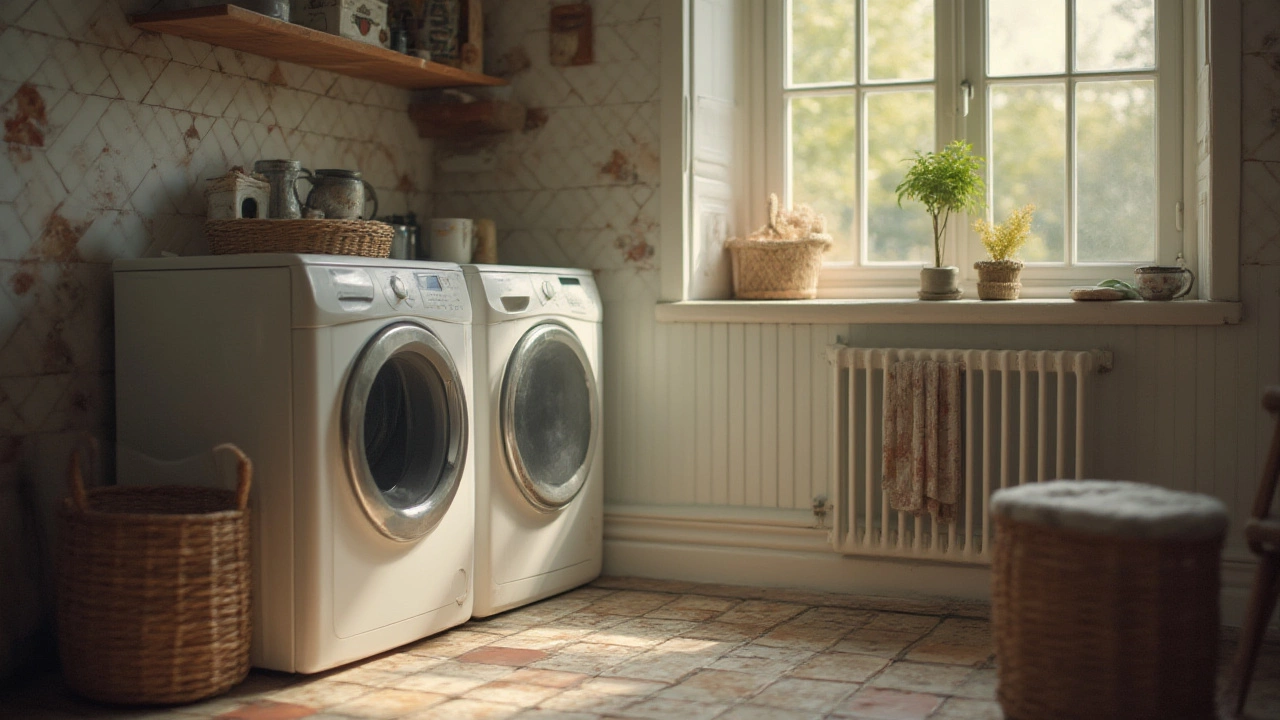
Is your washing machine considered old? Learn the real lifespan, signs it's aging, and pro tips to keep it running longer. Get real facts and advice from an expert.

Most extractor fans can be repaired with simple fixes like cleaning, capacitor replacement, or tightening parts. Learn when DIY works and when to call a pro to avoid costly damage from damp and mold.
Water heaters are essential fixtures in homes, providing warm water for daily needs. Understanding their lifespan can help homeowners plan for replacements and avoid unexpected cold showers. Depending on the type and maintenance, a water heater can typically last between 8 to 12 years. Regular inspections and upkeep can potentially add years to a water heater's lifespan.
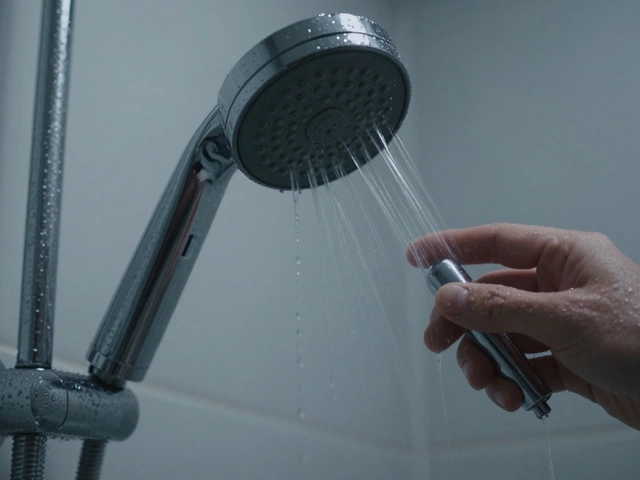
Find out if a broken boiler always means no hot water. Learn common causes like diverter valve failure, low pressure, and how to troubleshoot your system.
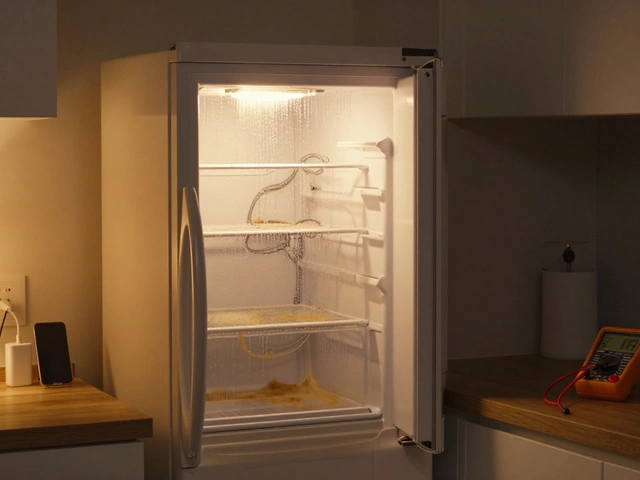
Your fridge suddenly stopped cooling? It's not magic-it's usually a simple fix. Learn the top 6 reasons why fridges fail and what to do before calling a repairman.
Wondering if you should flush or just drain your water heater? This article breaks down the difference, when each method makes sense, and what actually helps your water heater last longer. You'll find practical advice, simple tips, and a few things even pros forget. Discover the truth about tank cleaning—without the jargon or confusion. Your next maintenance day just got a lot less stressful.