

When you think about your water heater, you probably focus on whether you have hot water—not the quiet hero inside that keeps it running: the water heater anode rod, a sacrificial metal rod designed to attract corrosive elements away from the tank lining. Also known as a sacrificial anode, it’s the reason your tank doesn’t rust from the inside out. Most people don’t know it exists until their heater starts leaking—and by then, it’s too late.
This rod is usually made of magnesium, aluminum, or zinc, and it’s screwed into the top of your tank. Over time, it slowly eats away as it pulls corrosive minerals and electrolytes toward itself instead of letting them attack the steel walls. That’s why it’s called sacrificial. Think of it like a bodyguard taking bullets for the tank. Once it’s worn down, your tank is exposed—and that’s when rust, leaks, and expensive replacements start showing up. Most manufacturers recommend checking it every 2 to 5 years, depending on your water quality. Hard water? It’ll eat the rod faster. Soft water? It lasts longer, but still wears out.
The water heater lifespan, how long your tank lasts before needing replacement is directly tied to the anode rod. A heater with a fresh rod can easily hit 10 to 15 years. Without one—or with a dead one—it might only last 5 to 7. That’s not just a few extra years of service; it’s hundreds or even thousands of pounds saved. You wouldn’t skip oil changes in your car, so why skip this? It’s one of the cheapest maintenance tasks you can do, and it’s often overlooked because it’s hidden out of sight.
And it’s not just about the rod itself. The water heater maintenance, routine checks and actions that keep your heater running efficiently routine includes flushing sediment, testing pressure valves, and checking for leaks—all things that work hand-in-hand with anode rod health. If you’ve got a 10-year-old heater and never checked the rod, you’re gambling. That same heater might still work fine, or it might be one cold shower away from flooding your utility room.
Some people try to skip the anode rod entirely, thinking they can just replace the whole tank when it fails. But that’s like waiting for your brake pads to vanish before you fix your brakes. Replacing a water heater isn’t cheap—especially when you factor in labor, plumbing adjustments, and disposal. A new rod costs under £30. A new heater? Easily £800 to £2,500. The math isn’t even close.
And if you’re wondering whether your water heater even has a rod—yes, almost all standard tank models do. Even newer ones with aluminum or hybrid designs still rely on this principle. The only exceptions are tankless heaters, which work differently and don’t need one. But if you’ve got a traditional tank, that rod is your first line of defense.
Below, you’ll find real-world guides on how to check your anode rod, when to replace it, what happens when it fails, and how to extend your heater’s life without breaking the bank. These aren’t theory pieces—they’re based on actual repair reports from homes across Bognor Regis. You’ll see what common mistakes people make, how to spot a failing rod before disaster hits, and why waiting for a leak is never the right move.
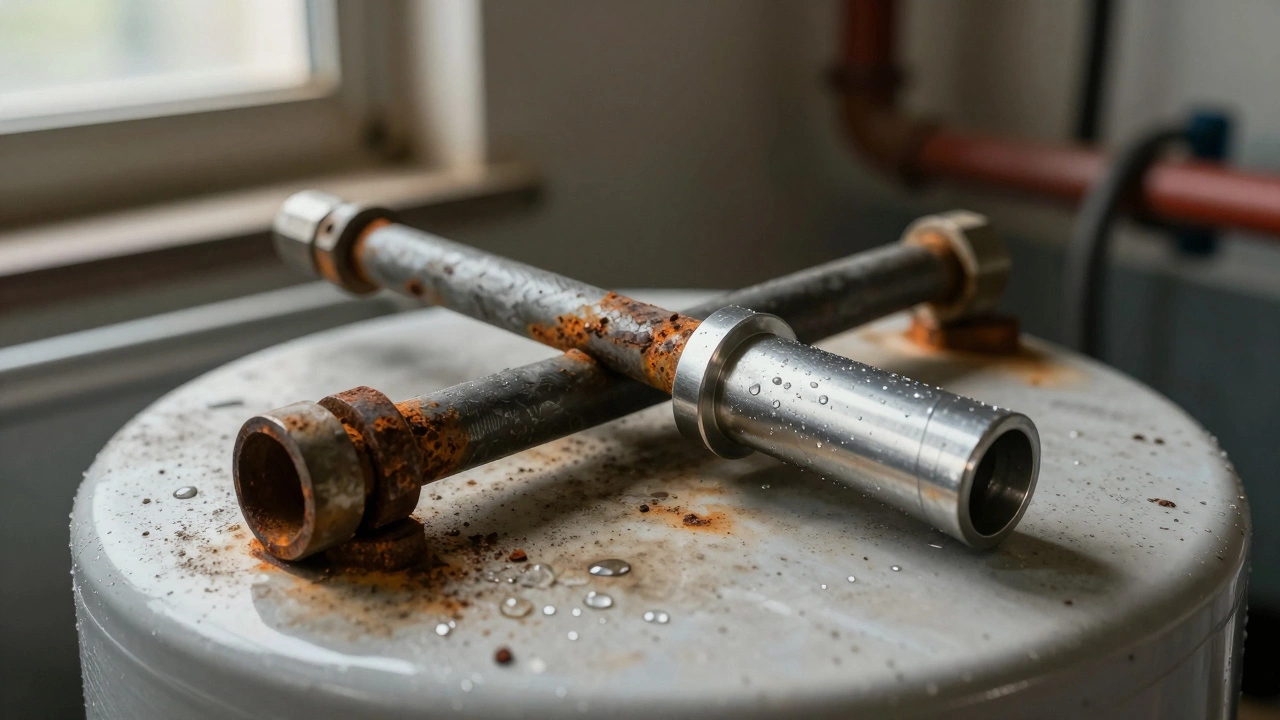
Replace your water heater's anode rod every 1-2 years in hard water areas to prevent tank corrosion. A simple £20 part can save you hundreds in repairs.
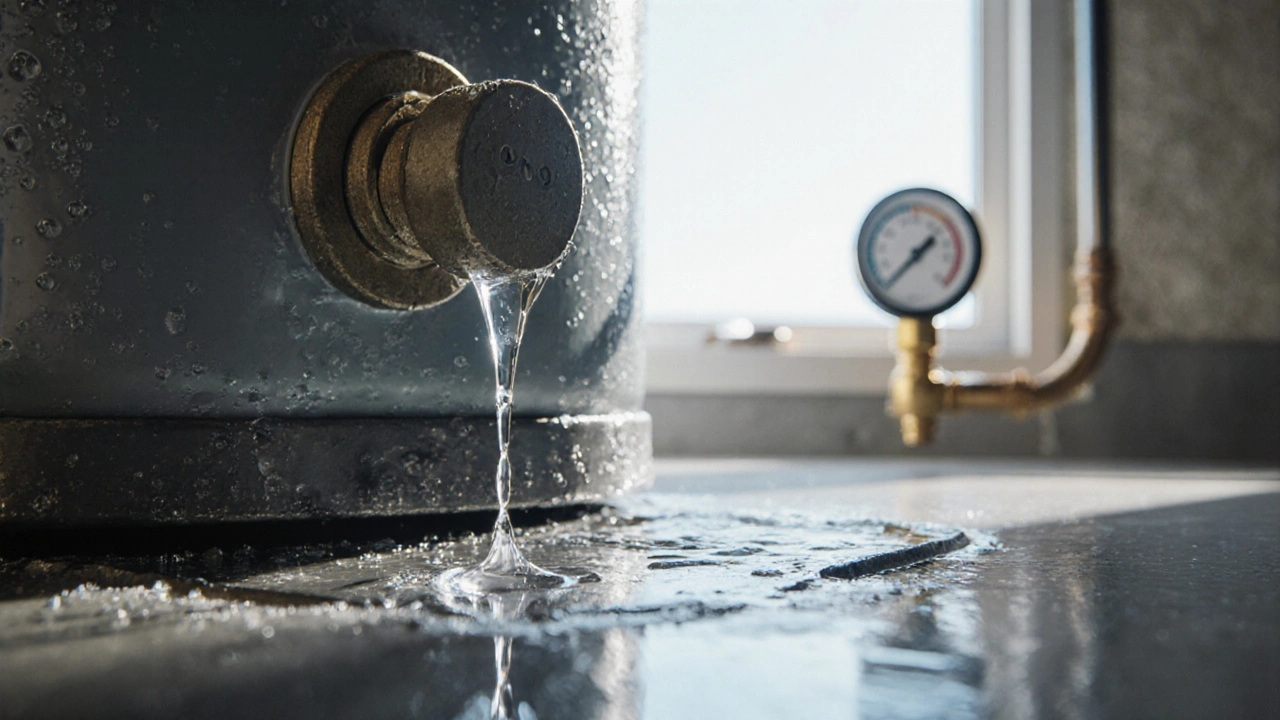
Water heater leaks usually come from five common spots: the pressure relief valve, anode rod, drain valve, tank corrosion, or pipe fittings. Learn where to look and how to fix it before it turns into a flood.

Deciding whether to repair or replace your hot water heater can feel overwhelming. This article explores practical considerations, including the age of the unit, repair costs, and long-term benefits. By understanding essential factors like energy efficiency and potential savings, homeowners can make informed decisions. Discover useful tips and interesting facts to help you choose the best course of action for your specific situation.
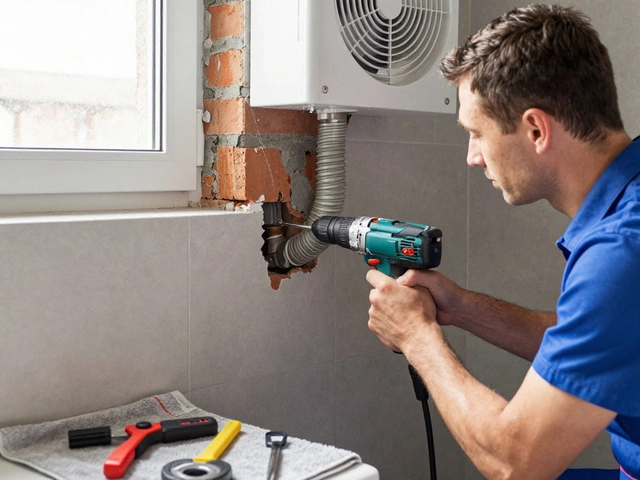
Can a plumber fit an extractor fan? While they can install the unit, only a qualified electrician can legally and safely handle the wiring. Learn what you need to know before hiring anyone.

Wondering whether plumbers can fix your boiler? This article breaks down exactly what plumbers do, where their work overlaps with heating engineers, and when you need a specialist. You’ll get practical advice for dealing with boiler issues, tips for finding the right tradesperson, and a look at why gas safety credentials matter so much. There’s even a checklist for what to ask before hiring someone for your boiler job. Skip the confusion and figure out who to call, fast.

Wondering if you can change your kitchen extractor fan yourself? This guide covers steps, safety, tools, common mistakes, and installation tips for a smooth DIY experience.
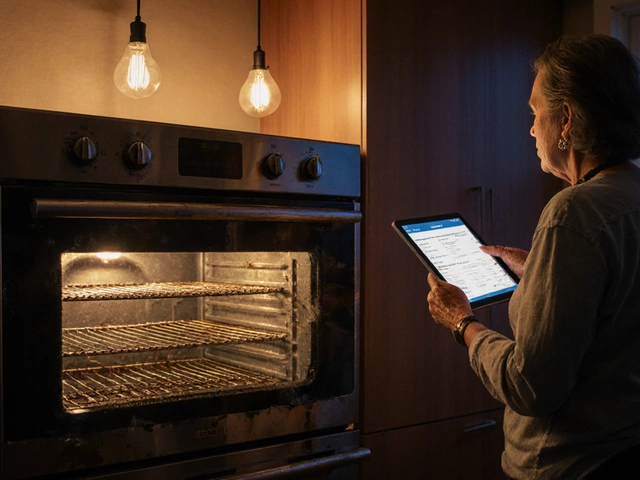
Find out when fixing a 15‑year‑old oven makes sense, compare repair costs with buying new, and learn safety, energy and environmental factors to help you decide.