

Ever notice a strange noise, a weird smell, or a flickering light and wonder if you should ignore it? Most of the time, those odd moments are the appliance’s way of shouting for help. Catching the warning signs early can save you from a sudden breakdown and a big repair bill.
Unusual noises. A humming fridge that suddenly rattles, a washing machine that clicks during the spin cycle, or a boiler that bangs when it fires up are all red flags. Noise usually means something is out of balance or a part is wearing down.
Inconsistent performance. Your electric oven heats unevenly, the hot water takes forever to warm up, or the heat pump stops blowing warm air. When an appliance can’t do its job reliably, it’s often a sign of a failing component.
Leaks or drips. A dishwasher that leaves water on the floor, a water heater that puddles around the base, or a washing machine that leaks during the wash cycle all point to sealed parts that need attention.
Frequent resets. If you keep resetting your water heater, boiler or extractor fan, the underlying issue is probably more than a simple glitch. Repeated resets are a clear warning that something is faltering.
Visible wear. Burnt-out stove burners, a cracked cooker glass, or a broken extractor fan blade are obvious signs that parts have reached the end of their life.
First, turn off the appliance if it’s unsafe. A noisy fridge could have a failing compressor, and running it could cause a fire. Next, check the user manual for quick troubleshooting steps – many manuals include simple fixes for common issues.
If the problem is a blocked filter, dirty condenser, or a loose hose, you can often fix it yourself with basic tools. For example, flushing a water heater every year removes sediment that causes overheating and resets.
When the fix isn’t obvious, call a professional. A qualified technician can diagnose a failing oven element, a faulty heat pump thermostat, or a boiler pressure problem before they turn into expensive emergencies.
Keep a log of what you notice. Jot down when the noise started, how long the leak has lasted, or the temperature at which the heat pump stops working. This information speeds up the repair process and helps the technician pinpoint the issue.
Finally, schedule regular maintenance. A yearly boiler service, a bi‑annual fridge cleaning, or a periodic check of your extractor fans catches wear early and extends the life of your appliances.
By staying alert to these warning signs, you’ll keep your home running smoothly and avoid surprise breakdowns. Remember: a small clue today can prevent a big repair tomorrow.

Learn the warning signs of a failing water heater and get practical tips for repair and maintenance to prevent costly breakdowns and keep your hot water system running safely.
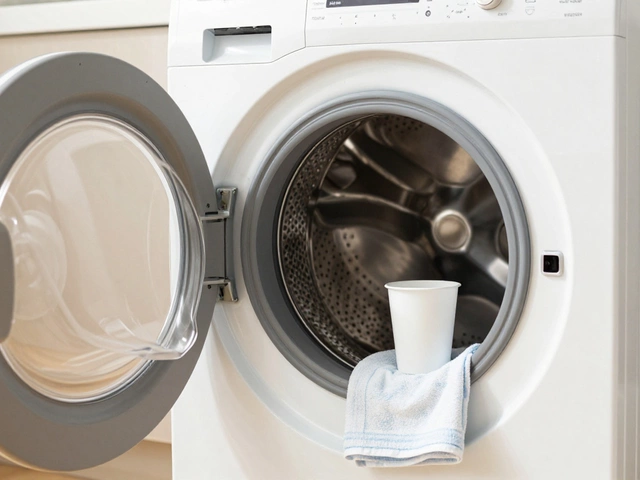
The longest average lifespan of a washing machine is 15-20 years for high-quality models with proper care. Most last 8-12 years, but maintenance, load size, and water quality make a huge difference. Learn how to extend your washer's life and when to repair vs. replace.

When your electric hob stops working, it's more than just a minor inconvenience—cooking essentials go awry, family meal plans are disrupted. Understanding some common causes and fixes is crucial before calling in the big guns or rushing to buy a new unit. From circuit issues, faulty sensors, and even user errors, many problems have straightforward solutions. This guide walks you through troubleshooting steps and shares tips to keep your hob cooking strong.
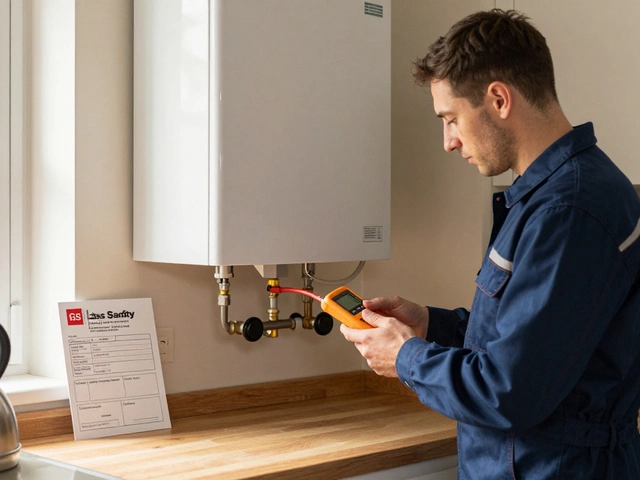
Gas appliances in the UK must be checked annually by a Gas Safe engineer to prevent deadly carbon monoxide leaks. Skipping checks risks health, safety, and legal penalties. Learn what happens during a service and how to stay safe.
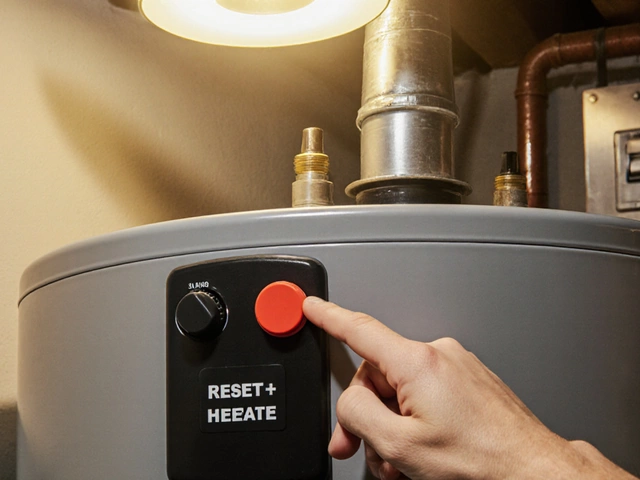
Learn how to safely reset both electric and gas hot water heaters, troubleshoot common issues, and know when to call a professional.
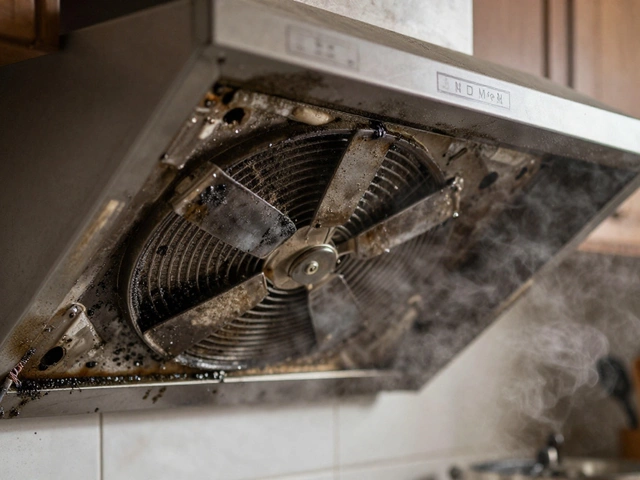
Kitchen extractor fans typically last 10-15 years, but grease buildup and lack of cleaning can cut that in half. Learn the signs it's time to replace yours and how to choose a better model.