

Living in the UK means you deal with rain, cold snaps, and occasional heatwaves – all of which put extra stress on the things that keep your home running. Your washing machine, oven, heat pump, and water heater all respond to the weather, so a little know‑how can save you money and stop you from calling a repair service at the worst possible moment.
First off, humidity. When the air stays damp for weeks, moisture seeps into electrical components. That’s why you might notice a fridge that cools fine one day and starts making strange noises the next – the motor bearings can rust or short out. Cold weather is another culprit. A heat pump that works great in mild temperatures can lose efficiency once the mercury drops below 5°C, making your heating bills jump.
Even something as simple as a washing machine can suffer. Cold water in the inlet hoses can cause the pump to work harder, and freeze‑thaw cycles may crack plastic parts over time. Ovens aren’t immune either; frequent temperature swings can strain the heating element, leading to uneven heating or a complete failure.
And don’t forget the water heater. In areas with hard water, mineral buildup grows faster when the water sits hot for long periods, especially in the cooler months when you use hot water more often for showers and cleaning.
Here’s the good news – you can tackle most of these issues yourself with a few easy habits.
1. Keep it dry. Use a de‑humidifier or place silica gel packs near exposed electronics, especially in the kitchen and laundry. Wipe down any condensation that forms on appliance surfaces.
2. Insulate water lines. Curling foam around the hoses that feed your washing machine and dishwasher prevents freezing and reduces the pump’s workload.
3. Clean the heat pump filter monthly. A clogged filter forces the unit to work harder, which not only spikes energy use but also shortens the lifespan of the fan motor.
4. Descale the water heater annually. A simple vinegar flush or a commercial descaling solution keeps mineral buildup in check and helps the heater stay efficient.
5. Check oven seals. After a cold spell, the gasket around the oven door can shrink or crack. Replacing a cheap seal restores heat retention and protects the heating element.
Lastly, schedule a yearly service with a trusted local technician. Even if you’re handy, a professional can spot worn bearings, loose wiring, or gas leaks that you might miss.
By staying ahead of the UK’s fickle weather, you’ll keep your appliances humming, your utility bills down, and your home comfortable all year round.
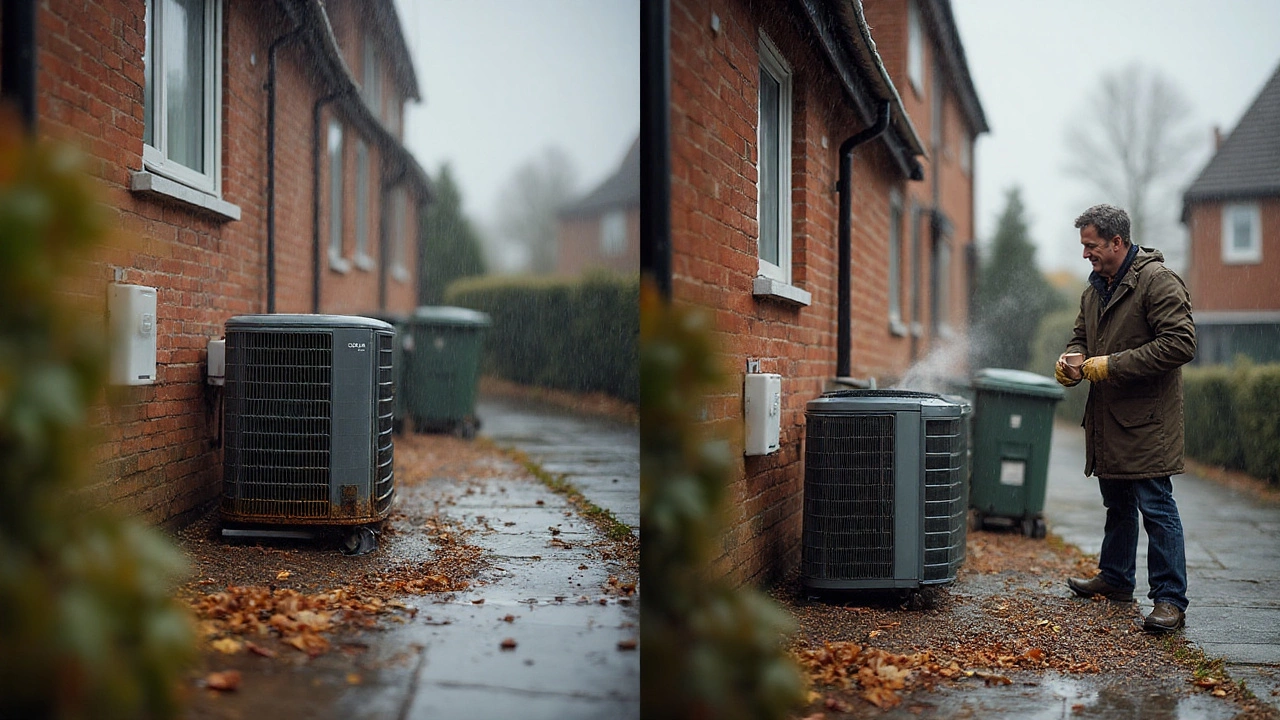
Real UK lifespan for air vs ground source heat pumps, what shortens or extends life, maintenance steps, and a simple repair-or-replace guide you can actually use.
Wondering why your water heater keeps needing a reset before you get hot water? Learn the real reasons, what you can safely check, and when it’s time to call for help.

Extractor fans play a pivotal role in maintaining air quality in kitchens and bathrooms by expelling moisture, odors, and smoke. If your extractor fan suddenly stops working, it can lead to persistent humidity or unpleasant smells. This guide provides practical steps for diagnosing and fixing common issues that can cause an extractor fan to malfunction. From checking power supply and fuses to cleaning and replacing parts, understanding the intricacies can save you time and money. By following these steps, you can restore your extractor fan’s functionality and maintain a comfortable home environment.
Repairing an electric oven on your own can be daunting, but it may be easier than it seems. This article explores the basics of oven function, safety tips, and common issues like heating problems or broken knobs. You'll find valuable advice on identifying problems and learning when it's best to call a professional. With a bit of knowledge, some troubleshooting, and a few tools, you might be able to save money on repair costs. Remember to prioritize safety above all while attempting repairs.

Find out exactly how much laptop repair costs in the UK in 2026. Learn the 50% rule for deciding when to fix or replace your device, average prices for screens, batteries, and motherboards, and tips to avoid overpaying.
Water heaters don't last forever, so it’s important to know how long yours might stick around. Generally, these devices are built to last about 8 to 12 years, but several factors can influence their longevity. By understanding signs of wear, maintenance tricks, and when it's time to say goodbye to your old model, you can ensure hot showers won't become a thing of the past. Let's break down everything you need to know about your water heater's lifespan.