

When you buy a tumble dryer, a home appliance designed to dry clothes using heat and airflow. Also known as a clothes dryer, it’s one of the most used appliances in the house — and one of the first to show wear. Most tumble dryers last between 10 and 13 years, but that’s only if they’re treated right. If you’re noticing longer drying times, strange noises, or your clothes are still damp after a full cycle, your dryer might be past its prime.
What really kills a tumble dryer? It’s not age — it’s neglect. Lint buildup is the #1 killer. A clogged vent doesn’t just make your dryer work harder; it can overheat the motor, burn out the heating element, or even start a fire. Regular cleaning of the lint trap after every load, plus a yearly check of the exhaust vent, can add years to its life. The heating element, the part that generates heat inside the dryer drum and the drum bearings, the rollers that let the drum spin smoothly are the two most common parts to fail. Both are usually repairable — and often cheaper than replacing the whole machine.
Here’s the hard truth: if your tumble dryer is over 10 years old and needs a major repair, you’re probably better off replacing it. New models use up to 30% less energy, dry faster, and come with sensors that stop the cycle when clothes are dry. That means lower bills and less wear on your clothes. But don’t rush. If your dryer still spins, heats, and doesn’t smell like burning plastic, a $150 repair might give you another 3–5 years. Compare that to a new unit costing $600+.
Some signs your dryer is done: it takes two cycles to dry a load, it shuts off mid-cycle, the drum doesn’t spin, or you hear grinding or squealing. These aren’t just annoyances — they’re red flags. A broken drum bearing won’t fix itself. A faulty thermostat won’t magically reset. And ignoring them won’t make the problem go away — it’ll just cost you more in the long run.
What’s interesting is that brand doesn’t always matter as much as usage. A well-maintained budget dryer can outlast a high-end one that’s stuffed with clothes and never cleaned. It’s not about the price tag — it’s about how you treat it.
Below, you’ll find real guides from people who’ve been there — from fixing a dryer that won’t heat, to deciding whether to repair or replace after 12 years, to spotting the quiet signs your appliance is giving up. No fluff. No sales pitches. Just what actually works.
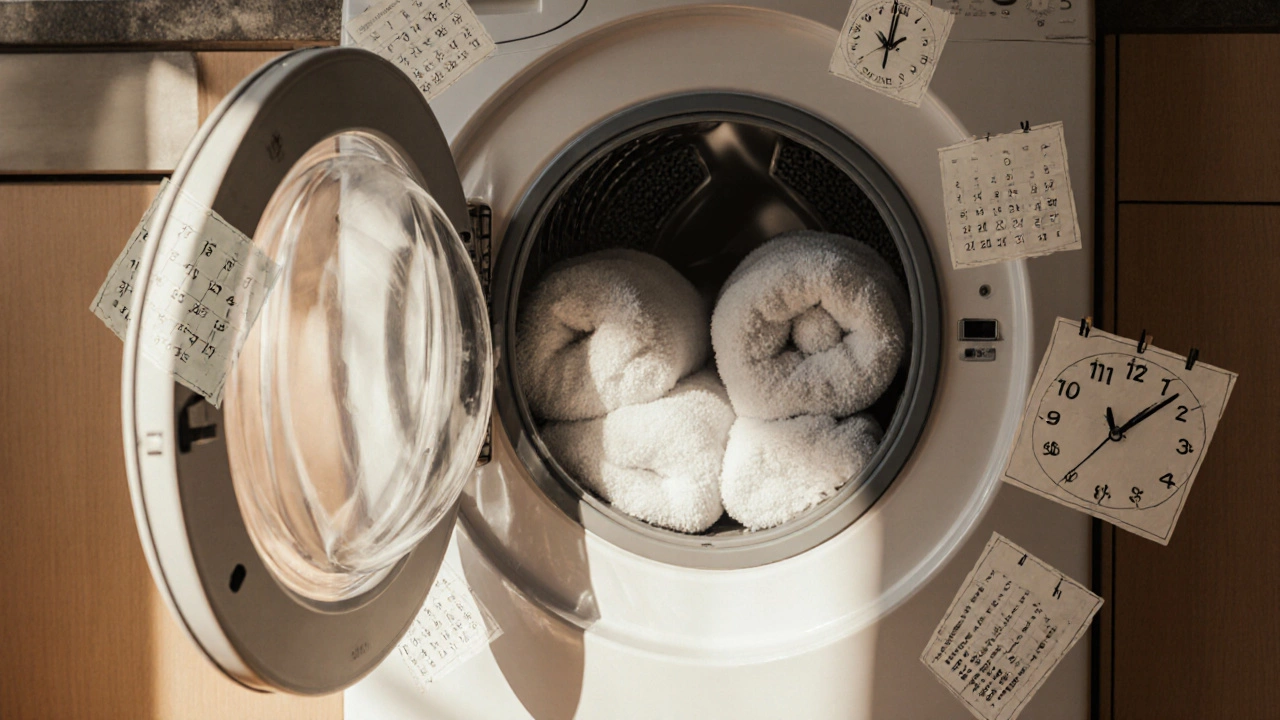
Learn how long vented, condenser and heat‑pump tumble dryers typically last, what factors affect their lifespan, and how regular maintenance can add years.
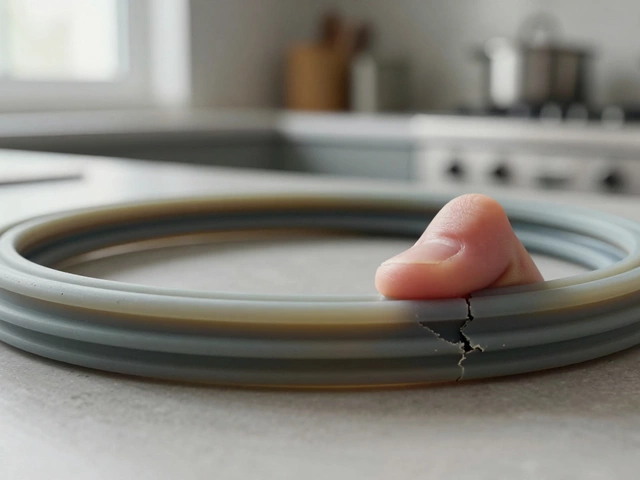
The most common pressure cooker problems are leaking steam, bad seals, clogged valves, and lid issues. Learn how to diagnose and fix them yourself before replacing your cooker.

Deciding between repairing and replacing a freezer can be tricky. This article guides you through evaluating repair costs, expected lifespan, and energy efficiency before making a decision. It provides practical advice to help you make an economical choice, whether to fix or replace your freezer. Learn important factors to consider, like repair frequency and environmental impact, to ensure you spend wisely.

Electric ovens can sometimes act up and cause frustration in the kitchen. While not every issue requires a professional, understanding the basic components can save time and money. This guide explores the practicality, challenges, and tips for tackling common oven problems. Whether it's a heating issue or a broken door handle, knowing what to check is crucial. Get insights into the DIY approach to electric oven repair to keep your appliance running smoothly.
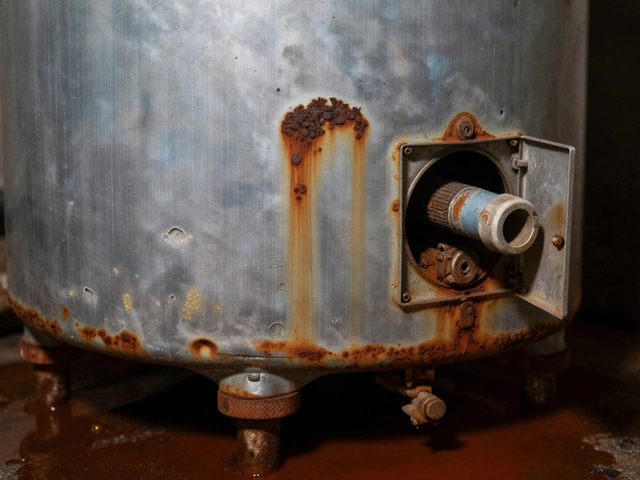
Water heaters commonly fail due to heating element burnout, thermostat issues, corrosion, and sediment buildup. Learn the top causes and how to spot them early to avoid costly repairs or sudden breakdowns.

Electric stoves are a staple in many kitchens, but how long can you expect them to last? This article delves into the average lifespan of an electric stove and what factors can influence its longevity. Discover maintenance tips that can help extend its life and recognize signs when repairs or replacements might be necessary. This guide aims to empower you with insights into prolonging the efficiency of your kitchen's electric stove.