

When your tank water heater, a storage-based system that heats and holds water for household use. Also known as a storage water heater, it's one of the most taken-for-granted appliances in your home—until it stops working. Suddenly, you're stuck with cold showers, wet floors, or a tripped reset button that won’t stay down. These aren’t just annoyances—they’re signs your system is struggling, and ignoring them can cost you hundreds—or even a full replacement.
Most tank water heater problems fall into a few clear categories. A water heater leak, a common failure point caused by corrosion, faulty valves, or worn seals is the biggest red flag. You’ll see puddles near the base, rust stains, or dripping from the pressure relief valve. Then there’s the water heater reset button, a safety feature that trips when the thermostat overheats or the element fails. People often push it and walk away, but if it trips again, something deeper is wrong—like a broken thermostat or a shorted heating element. And if your heater’s over 10 years old, you’re dealing with water heater lifespan, the natural decline in performance due to sediment buildup and tank corrosion. Most last 8–12 years. After that, repairs become money pits.
These problems don’t happen in isolation. A leak near the drain valve? That’s often a sign the tank’s corroding from the inside. A reset button that won’t stay engaged? Could mean the anode rod’s gone, letting rust eat away at the tank. And if you’re running out of hot water faster than before, sediment’s building up at the bottom, forcing the heater to work harder—and costing you more in energy. The good news? Many of these issues can be caught early. Checking for leaks monthly, flushing the tank once a year, and testing the pressure valve can buy you years. But if you’re seeing rust, hearing rumbling noises, or getting no hot water at all, it’s time to weigh repair vs. replace.
Below, you’ll find real fixes from people who’ve been there—how to spot the exact spot a leak is coming from, why holding the reset button longer won’t help, what brands actually last, and whether it makes sense to fix a 15-year-old tank. No fluff. Just clear, practical answers to the problems that leave you cold and confused.
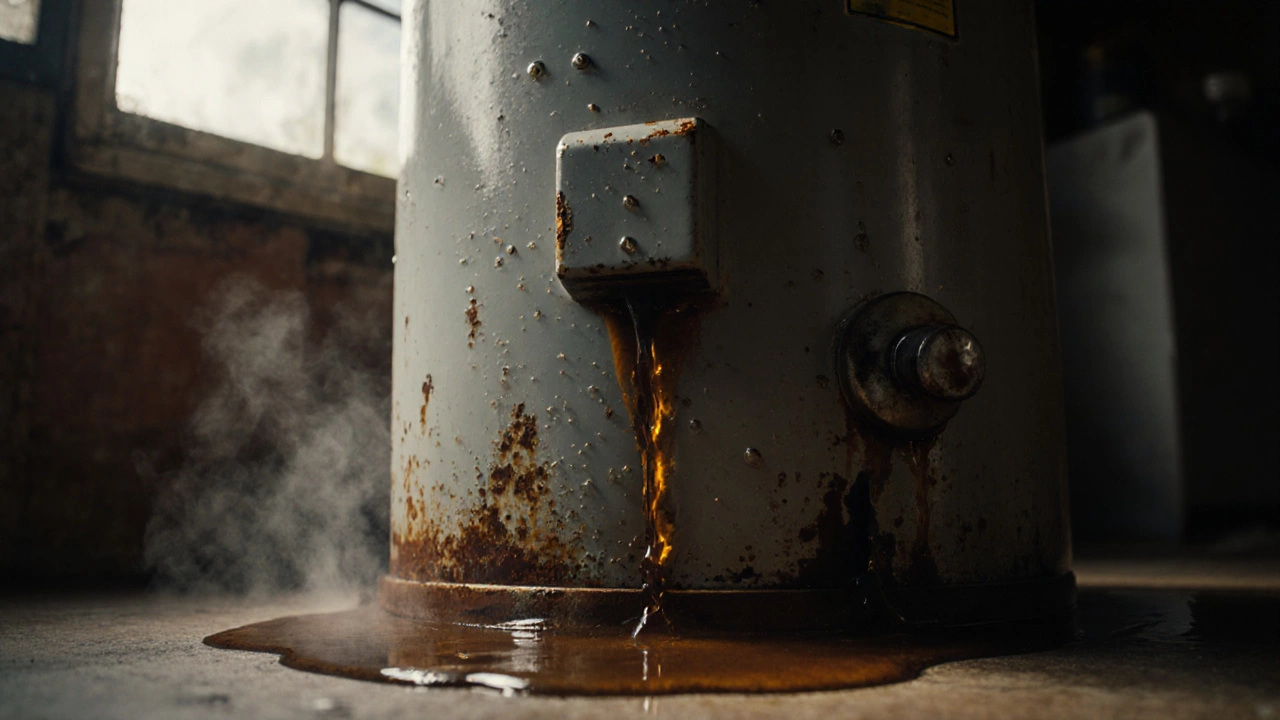
Most water heaters fail due to tank corrosion, heating element burnout, or sediment buildup. Learn the top failure points and how to spot them early to avoid costly repairs or floods.
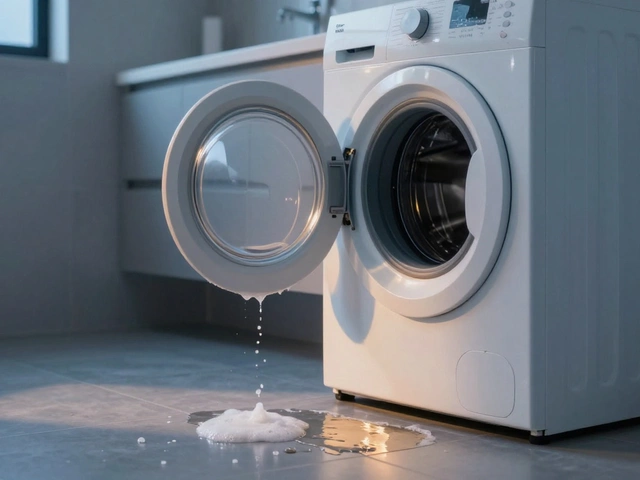
Discover the most common washing machine failures, from blocked filters to bearing issues. Learn how to diagnose leaks, spinning problems, and electronic glitches yourself.

This article provides a comprehensive guide on how to test and maintain your kitchen extractor fan to ensure it functions optimally. It includes practical steps for diagnosing common issues, cleaning tips to improve efficiency, and essential maintenance advice. Discover how to test airflow and electrical components safely, ensuring your kitchen remains free from unwanted odors and excess humidity. Learn valuable insights and practical tips to keep your extractor fan in top shape.
Is your heat pump not blowing warm air? Here’s what causes it and how you can troubleshoot the issue. Easy fixes and tips for a cozy home.
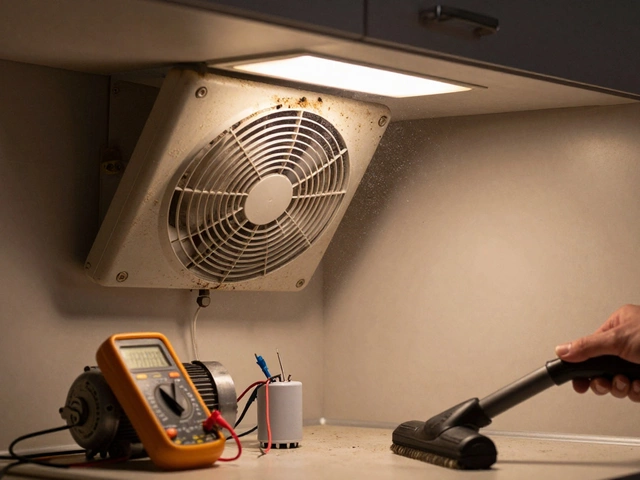
If your extractor fan suddenly stopped working, check the power, capacitor, and airflow first. Most issues are fixable without replacing the unit. Learn how to diagnose and repair common fan failures safely and affordably.
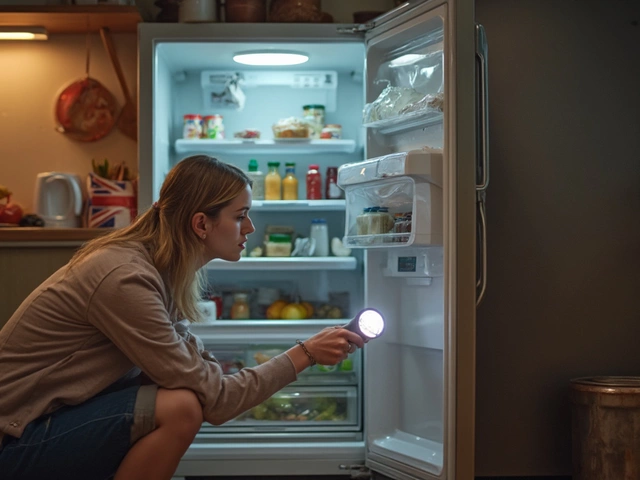
Why would a freezer suddenly stop working? This article uncovers the most common reasons, from electrical hiccups to sneaky broken parts. Get clear tips to troubleshoot on your own before calling in the pros. You'll also find surprising facts—like a forgotten coin trick to check freezing power. Whether it's food loss or a mystery beep, you'll get straight answers and a path to a cold fix.