

If your stove is acting up, you don’t have to panic. Most issues are simple enough to troubleshoot before you pick up the phone. Below you’ll find the most common faults, quick DIY steps, and clear signs that a professional is needed.
No heat on the burners. First, make sure the stove is plugged in and the circuit breaker isn’t tripped. If it’s a gas stove, check that the gas valve is open. A clogged burner cap can also stop the flame – remove the cap, clean any food debris with a toothbrush, and reinstall.
Uneven heating or cold spots. For electric hobs, a faulty heating element is often the culprit. Our guide on How to Replace a Broken Element on an Electric Hob walks you through the swap in under an hour. If the element looks burnt or cracked, it’s time to replace.
Ignition problems. Many modern stoves use a spark igniter. If you hear a clicking sound but no flame, the igniter may be dirty or worn out. Clean the igniter tip with a dry cloth; if it still won’t spark, swapping it out is the next step.
Oven not heating. An electric oven that stays cold usually points to a bad heating element or a faulty thermostat. Our post Electric Oven Not Heating? Common Problems, Fixes, and Maintenance Tips explains how to test the element with a multimeter and replace it safely.
Strange smells or noises. A burnt odor often means food residue has built up on the burner or in the oven cavity. Clean out any spills and run the stove on a low setting for a few minutes. Persistent noise could indicate a loose fan or motor, which is best left to a professional.
DIY fixes work great for visible, easy‑to‑reach parts like burner caps, igniters, and simple element swaps. If you have basic tools, a multimeter, and feel comfortable turning off the power or gas, you can save a few hundred pounds.
Call the experts when you encounter:
Our team at Bognor Regis Appliance Repair Experts handles everything from stove ignition repairs to full cooker overhauls. We also offer advice on whether a broken cooker is worth fixing, as detailed in our article Is It Worth Repairing a Broken Cooker?
Remember, regular maintenance can stop many problems before they start. Clean burners after each use, descale any water‑based parts, and schedule an annual check‑up if your stove is older than ten years.
Got a stubborn stove issue? Start with the quick checks above, and if you’re still stuck, give us a call. We’ll get your cooking back on track fast, so you can focus on the meals, not the repairs.
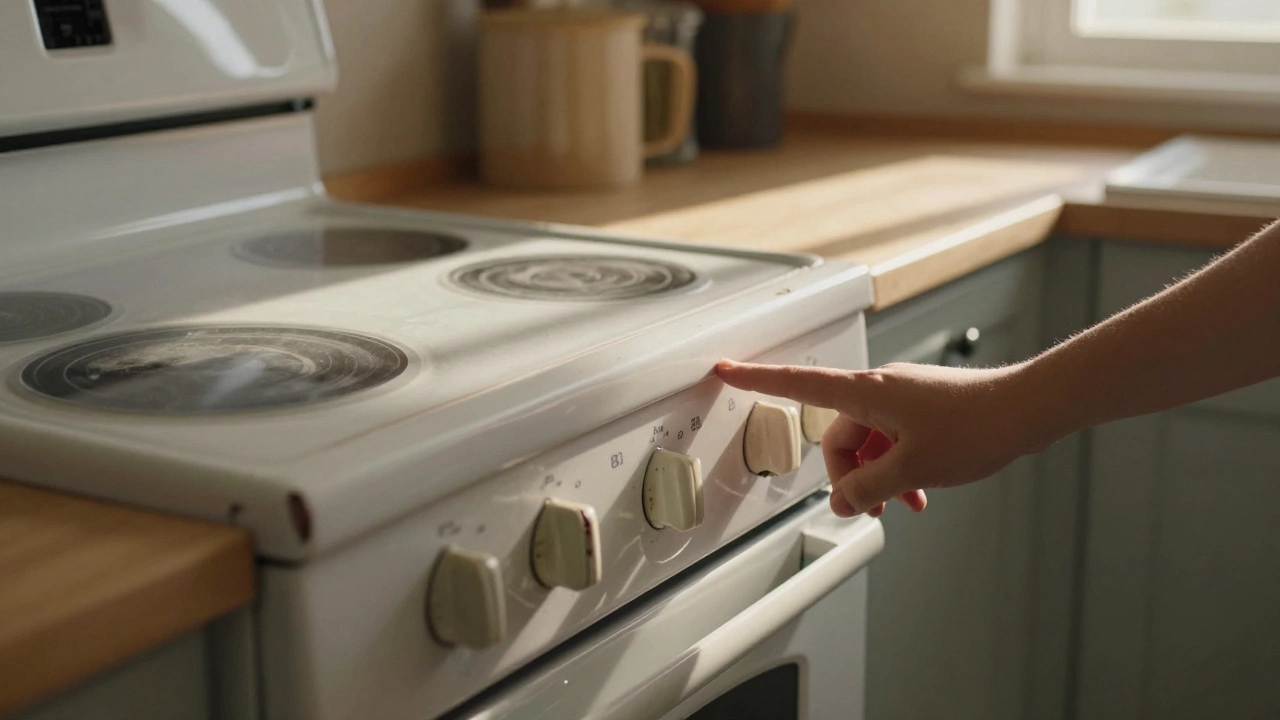
Deciding whether to fix an old stove? Learn how to weigh repair costs against buying a new unit, factoring in safety, energy bills, and part availability for a 15-year-old appliance.
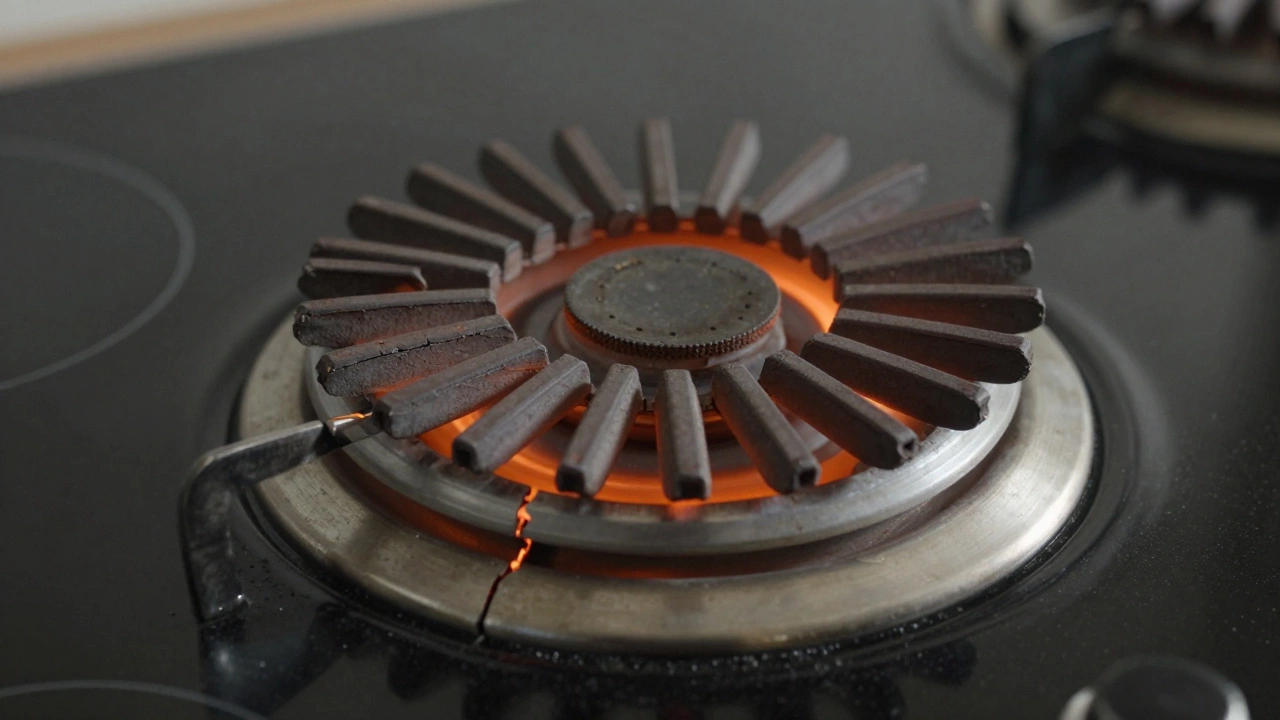
Learn how to tell if your electric stove element is bad with simple visual checks, multimeter tests, and common signs of failure. Save money by diagnosing and replacing it yourself.
Spotting the two most common electric stove problems can make repairs easier. Learn how to catch signs like faulty burners and control issues with clear, helpful steps.

Wondering if your 20-year-old oven can be repaired? Discover repair tips, replacement part insights, costs, and when it makes sense to swap your old oven for a new one.

Most extractor fans can be repaired with simple fixes like cleaning, capacitor replacement, or tightening parts. Learn when DIY works and when to call a pro to avoid costly damage from damp and mold.
An appliance technician plays a crucial role in keeping household and commercial appliances running smoothly. They diagnose issues, perform necessary repairs, and offer maintenance tips to prevent future problems. Understanding their responsibilities helps in appreciating their importance. This article provides insights into the day-to-day duties of an appliance technician and offers tips for those aspiring to join this field.
Is your heat pump not blowing warm air? Here’s what causes it and how you can troubleshoot the issue. Easy fixes and tips for a cozy home.
Annoyed by standing water at the bottom of your dishwasher? This article breaks down why your dishwasher isn't draining, what can cause it, and how to troubleshoot the most common issues. Learn about clogged filters, garbage disposal connections, and more. I'll also share some handy tips to help you prevent problems in the future. Whether you're a first-timer or have dealt with dishwasher headaches before, you’ll find practical advice here.