Stove Repair vs. Replacement Calculator
Your Current Situation
Replacement Costs
Result
Details go here
| Short Term Cash Outlay | |
|---|---|
| Risk Assessment |
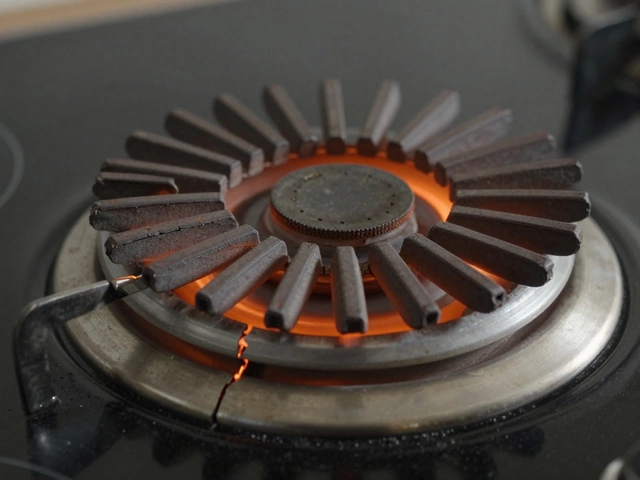
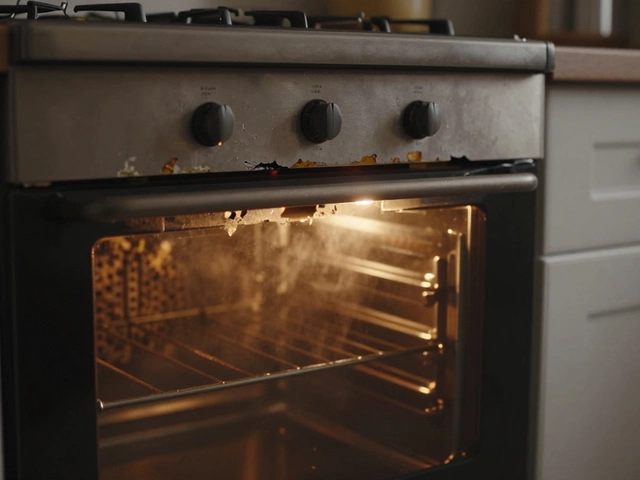
You hear that crack or smell a strange burning scent while dinner is prepping. Your Stove is acting up again. You check the label underneath the door and realize this machine has been humming away for fifteen years. Now you face the classic homeowner trap: spend money fixing an ancient beast or save up for something modern? This isn't just about immediate frustration; it is about your monthly energy bills and kitchen safety.
Many people get stuck staring at a quote from a technician that sounds expensive compared to what a basic new model might cost today. However, throwing away perfectly salvageable hardware feels wrong too. Let us look at the hard numbers and reality checks before you sign a repair order or click "buy" on an online retailer.
The Math Behind the Repair Decision
The most common mistake is looking only at the price tag of the repair versus the cheapest brand-new option. If you find a generic electric cooker listed for £300 online, and a quote comes in for £200 to fix your 15-year-old unit, the choice looks easy. But that calculation ignores installation fees, delivery surcharges, and the hassle of disposal.
| Expense Type | Repair (Existing Unit) | Replacement (New Unit) |
|---|---|---|
| Initial Labor/Parts | £150 - £250 | £0 (if DIY install) |
| Unit Cost | £0 | £400 - £1,200+ |
| Installation Fee | None | £100 - £150 |
| Old Unit Disposal | £0 | £50 - £80 |
| Estimated Lifetime | 3 - 5 more years | 10 - 15 years |
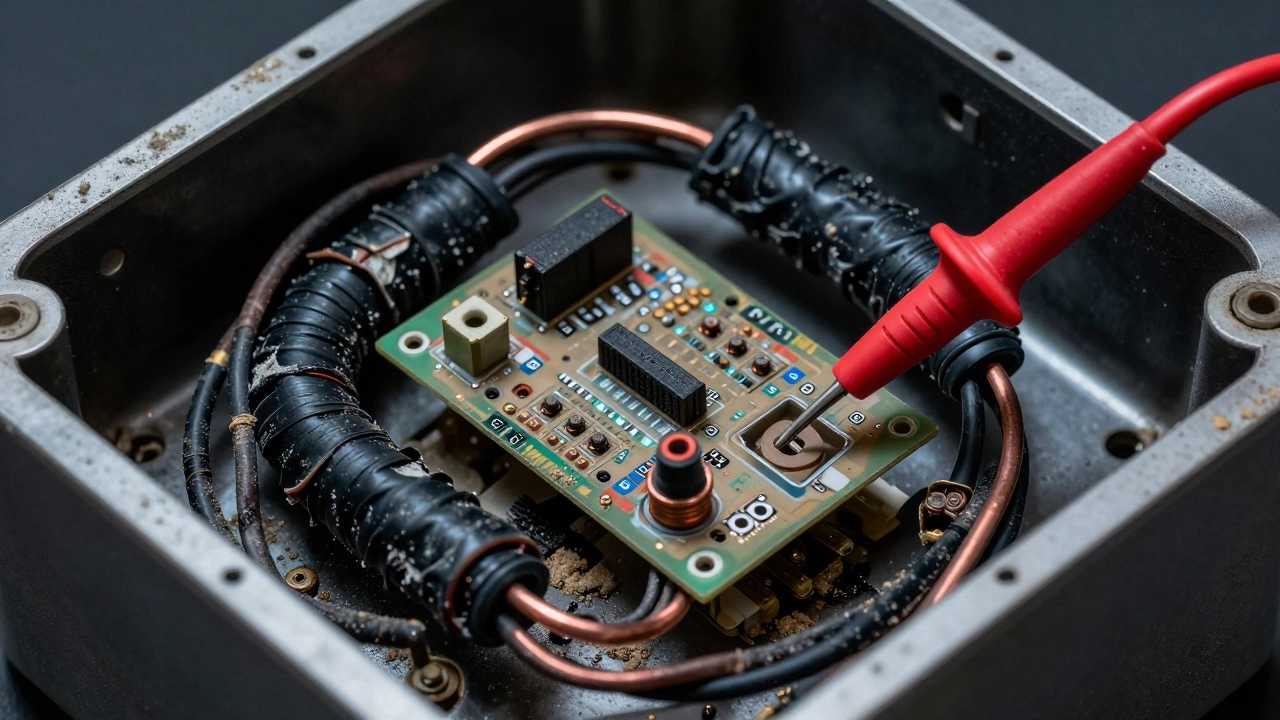
You have to factor in the remaining useful life of the appliance. Most standard cookers hit their stride around the 15-year mark. After that, reliability drops significantly. If you pay for a major component replacement, such as the main electronic control board, you are betting on the rest of the chassis holding up for another few years. A new unit comes with a warranty, often covering electrical faults for one to five years depending on the brand.
Safety Risks of Aging Appliances
Cost aside, safety is the biggest driver for swapping out an aging unit. An appliance from a decade or more ago does not meet current safety standards found in modern kitchens. This applies differently depending on whether you run a gas or electric setup.
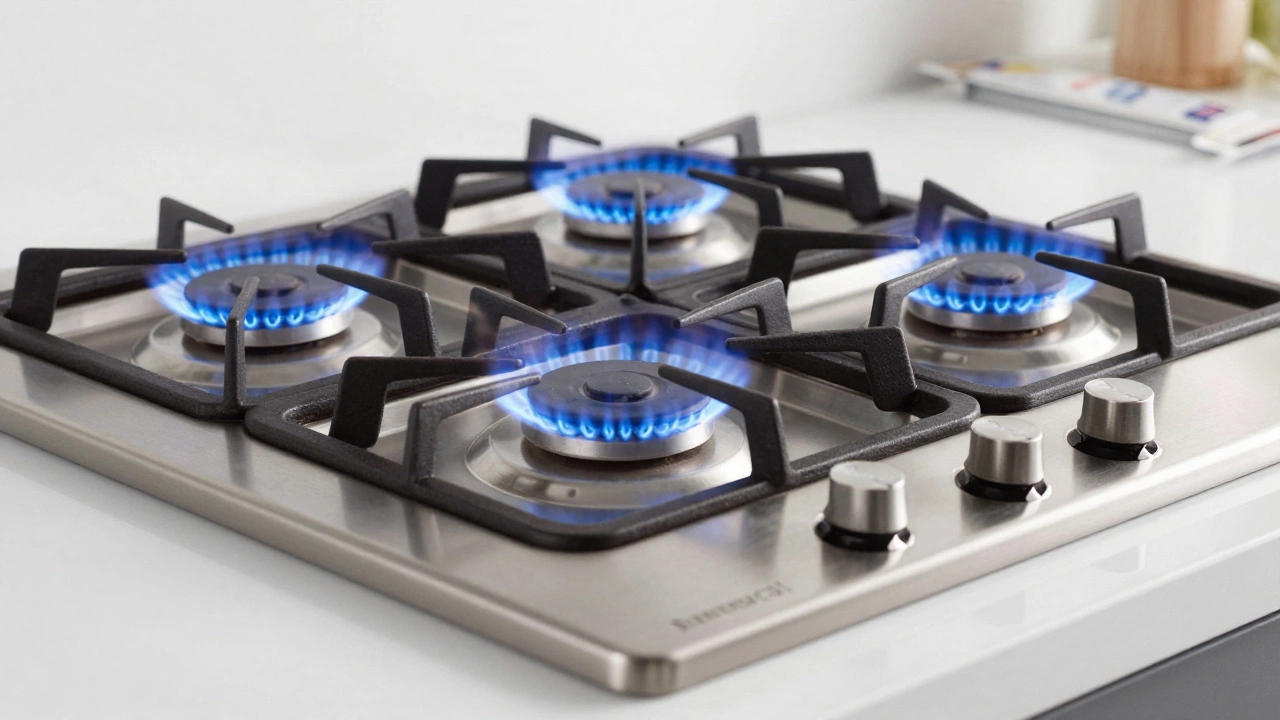
If you have a gas cooker, the risk of gas leakage increases over time due to worn seals and flexible hoses. Even minor issues can lead to dangerous carbon monoxide buildup. A certified Gas Safe engineer can inspect the burners and valve settings, but the metal components themselves fatigue. In the United Kingdom, strict regulations exist regarding gas appliances. Keeping an old unit running requires annual checks that some insurers mandate anyway. If your insurer finds your main kitchen range exceeds recommended age limits during a claim assessment, you could face complications with property coverage.
Electric stoves present different concerns. Heating elements degrade, but insulation deteriorates faster. In a 15-year-old model, wires may become brittle where heat exposure was highest. This raises fire risks, especially if food debris burns onto hot surfaces repeatedly over years. While an electric stove might not leak gas, electrical shorts can still ignite surrounding cabinetry.
Energy Efficiency and Operating Costs
We cannot ignore the impact on your utility bill. Technology in home appliances has improved drastically in the last two decades. A cooker built fifteen years ago likely carries an energy rating equivalent to a D or E under current labeling systems. Modern models often push for an A-rated efficiency standard.
Energy Efficiency refers to using less power to achieve the same heating results. For example, an older oven might take 40 minutes to preheat while drawing maximum wattage. A newer insulated design traps heat better and preheats in half the time.Over the span of another three years of ownership, the difference in consumption matters. Assume you use your oven twice a week. On gas, the cost differential might seem small, but on electricity, higher tariffs mean older ovens cost more to run daily. When calculating the total cost of ownership, add the estimated yearly savings of a new efficient unit to the decision equation. Sometimes the upgrade pays for itself through lower monthly bills alone.
The Availability of Spare Parts
This is often the dealbreaker nobody plans for until the day a part breaks. Manufacturers plan the lifecycle of their products carefully. They generally stop making replacement components shortly after discontinuing the model line. For a 15-year-old unit, finding a matching hinge, door handle, or ignition switch can be difficult.
Technicians often call this the "scavenger hunt" phase. They might find a part from a third-party supplier that fits loosely, but generic replacements sometimes fail earlier than original equipment manufacturer units. If your specific model was popular ten years ago, parts are likely still available in stock. If it was a niche or budget model, sourcing a specific control module could take months or require importing from overseas warehouses, driving shipping costs up.
Before booking a repair visit, ask for the manufacturer code printed inside the door. Do a quick search online. If eBay or local appliance spares sites show zero listings, you are already leaning toward a bad investment. You do not want to pay for a diagnosis only to discover the solution costs twice the price of the labor because the part is rare.
Environmental Responsibility vs. Practicality
The "throwaway culture" is a concern for many homeowners. Throwing away a working appliance contributes to landfill waste. Metal recycling rates are good, but manufacturing a new device consumes raw materials and energy. From a purely eco-friendly standpoint, repairing extends the product life and reduces carbon footprint.
However, we must balance this against the carbon footprint of inefficient operation. An inefficient old heater uses more grid energy to do the job. Since our national grid is transitioning to greener sources, the mix changes. Still, wasting electricity through poor insulation is wasteful regardless of the source. If you can fix it easily with a standard part, keep it. If the fix involves complex electronics or hazardous refrigerants (in steam assist models), replacing is often the sustainable choice.
Decision Criteria: When to Walk Away
To simplify the choice, consider these three triggers. If any of these apply, replacement is the smarter financial move.
- Multiple Failures: If you have paid for two separate repairs in the last twelve months, the machine is failing systemically. One more big break will tip the scales.
- Aesthetics and Functionality: Does the finish look terrible? Are the knobs falling off? If the visual state of the appliance is declining, repair won't fix the look, only the function.
- Major Component Failure: If the problem lies with the main power supply board or the main gas valve manifold, the labor hours required to access these deep inside the chassis make the cost comparable to a new entry-level unit.
Conversely, stick with the repair if the issue is isolated to a minor mechanical part. Broken door hinges, faulty door switches, or a dead temperature sensor are cheap fixes that breathe life back into a sturdy machine. These simple repairs preserve the asset value of your kitchen.
What About Resale Value?
Sometimes the decision depends on selling your home. A brand new cooker adds value to a kitchen listing. A broken or visibly aged one can detract from the offer. Real estate agents often suggest updating appliances before listing. Even if you plan to stay put, a functioning appliance maintains comfort and convenience. A broken stove forces reliance on portable hobs, which disrupts workflow and makes the kitchen feel incomplete.
Frequently Asked Questions
How do I know the approximate lifespan of a stove?
Most standard electric and gas cookers last between 13 and 15 years. High-end models can reach 20 years with regular maintenance. Once you pass the 15-year mark, the likelihood of major component failure increases sharply.
Is it safe to keep using an old gas stove?
Only if it passes a safety inspection by a qualified Gas Safe engineer. Old rubber hoses harden and crack over time. Annual servicing is essential if you continue using an appliance past its prime service life.
Can I get a warranty on a repaired appliance?
Reputable repair services often provide a 3-6 month warranty on labor and parts installed. This differs from a full manufacturer warranty. Ensure you get a written guarantee for the specific work performed.
Should I buy a refurbished stove instead of new?
Refurbished units are a middle ground. They come with tested parts and shorter warranties than brand new ones. If you avoid paying full retail price, a refurb offers a lower risk than a 15-year-old untested appliance.
Does the type of fuel matter for repair costs?
Yes. Gas repairs usually involve licensed engineers who charge premium rates for safety compliance. Electric repairs are simpler to perform and often cheaper, but voltage issues can be complex in older wiring setups.