

If you’ve ever wondered how many years your oven will stick around, you’re not alone. Most ovens live somewhere between 10 and 15 years, but that range can swing wide depending on a few key things. Knowing those factors helps you avoid surprise breakdowns and decide when a repair makes sense.
First off, the type of oven matters. Electric models usually outlast gas ones because they have fewer moving parts. A quality brand with solid build quality adds years to the mix, while a cheap, low‑end model may start acting up after just a few years.
How often you use it is another big player. Cook every night? Your heating elements and thermostats get more cycles, so they wear faster. On the flip side, a second‑hand oven that only sees occasional use can last well beyond the average.
Maintenance habits are the wild card. Regularly cleaning the oven cavity, removing food spills, and checking the door seal prevent heat loss and keep the internal temperature stable. When the temperature drifts, the thermostat works harder, which shortens its lifespan.
Look out for uneven heating. If one side stays cooler, the heating element might be failing. A door that won’t close properly lets heat escape, forcing the oven to run longer and wear out faster.
Frequent error codes or a blinking display are red flags. Modern ovens have sensors that tell you when something’s off. Ignoring those messages usually leads to bigger, costlier repairs.
Finally, pay attention to the noise. Rattling, buzzing, or a humming sound that wasn’t there before can indicate a failing fan or motor.
When any of these symptoms show up, it’s time to call a professional. A quick diagnostic can tell you whether a cheap part swap will bring the oven back to life or if the whole unit should be retired.
1. Clean the interior regularly. After each use, let the oven cool, then wipe away spills. A light coat of baking soda and water works wonders for stubborn stains without scratching the surface.
2. Check the door gasket. If it looks cracked or brittle, replace it. A good seal keeps heat in and reduces strain on the heating elements.
3. Calibrate the thermostat. Many ovens let you adjust the temperature setting with a few knob turns. If you notice the oven is consistently hotter or cooler than the set temperature, a quick calibration can save the thermostat from overworking.
4. Avoid slamming the door. Gentle closing protects the hinges and the seal.
5. Schedule a professional check‑up every 5‑7 years. A qualified technician can spot wear before it becomes a breakdown, replace worn parts, and keep the oven running efficiently.
Following these habits can easily push an oven’s life beyond the typical 12‑year mark, saving you money and hassle.
In the end, whether you repair or replace comes down to cost versus benefit. If a single part costs less than half the price of a new oven, fixing it is usually the smart move. But if you’re hitting the 15‑year mark and repairs start adding up, a new, energy‑efficient model might be the better investment.
Bottom line: Know your oven’s age, watch for the warning signs, keep it clean, and don’t ignore professional advice. With a little care, your oven can keep cooking your favorite meals for many years to come.
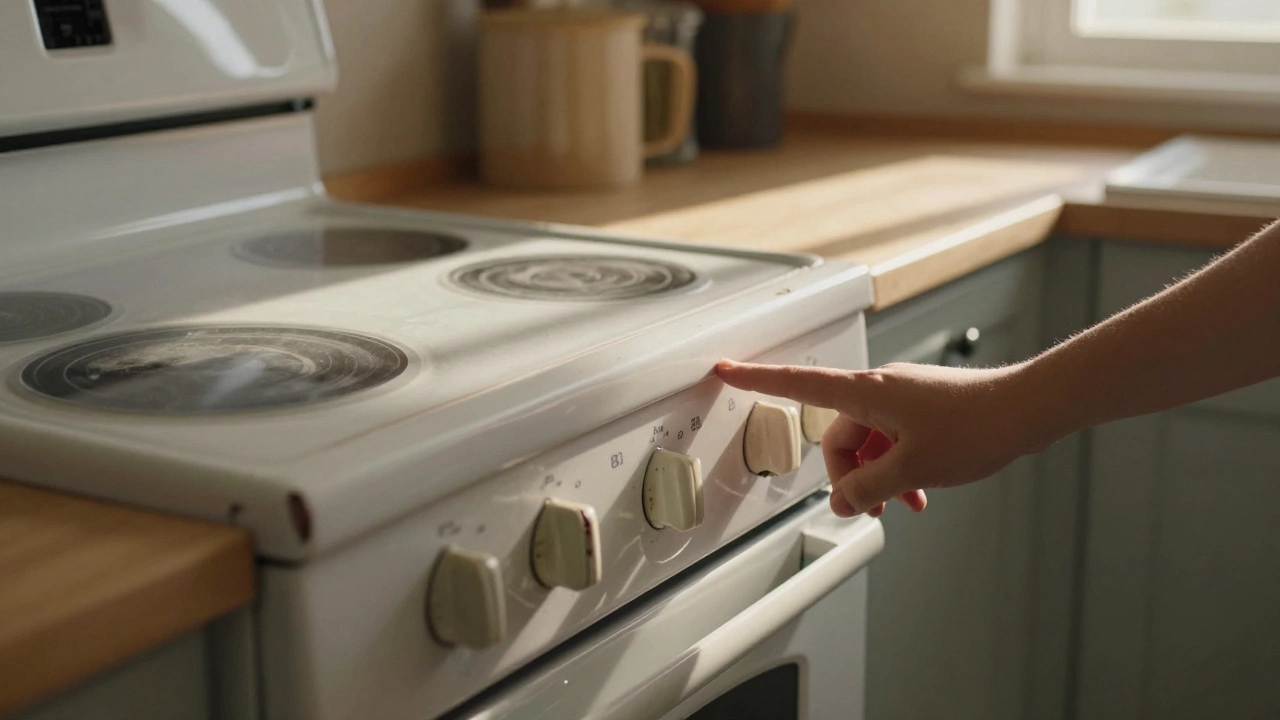
Deciding whether to fix an old stove? Learn how to weigh repair costs against buying a new unit, factoring in safety, energy bills, and part availability for a 15-year-old appliance.

Most ovens last 10 to 15 years, but usage and maintenance affect lifespan. Learn the signs your oven is failing, when to repair vs. replace, and how to make it last longer.

Wondering if your 20-year-old oven can be repaired? Discover repair tips, replacement part insights, costs, and when it makes sense to swap your old oven for a new one.

Wondering if your oven can hit the 20-year mark? This article digs into what really decides how long an electric oven lasts, from the make to how you treat it. Get real tips to keep yours running strong, spot early signs of trouble, and find out when repair is smarter than replacement. No fluff—just straight answers for anyone looking to save money and avoid surprise oven breakdowns. This is your guide to squeezing every last year out of your electric oven.
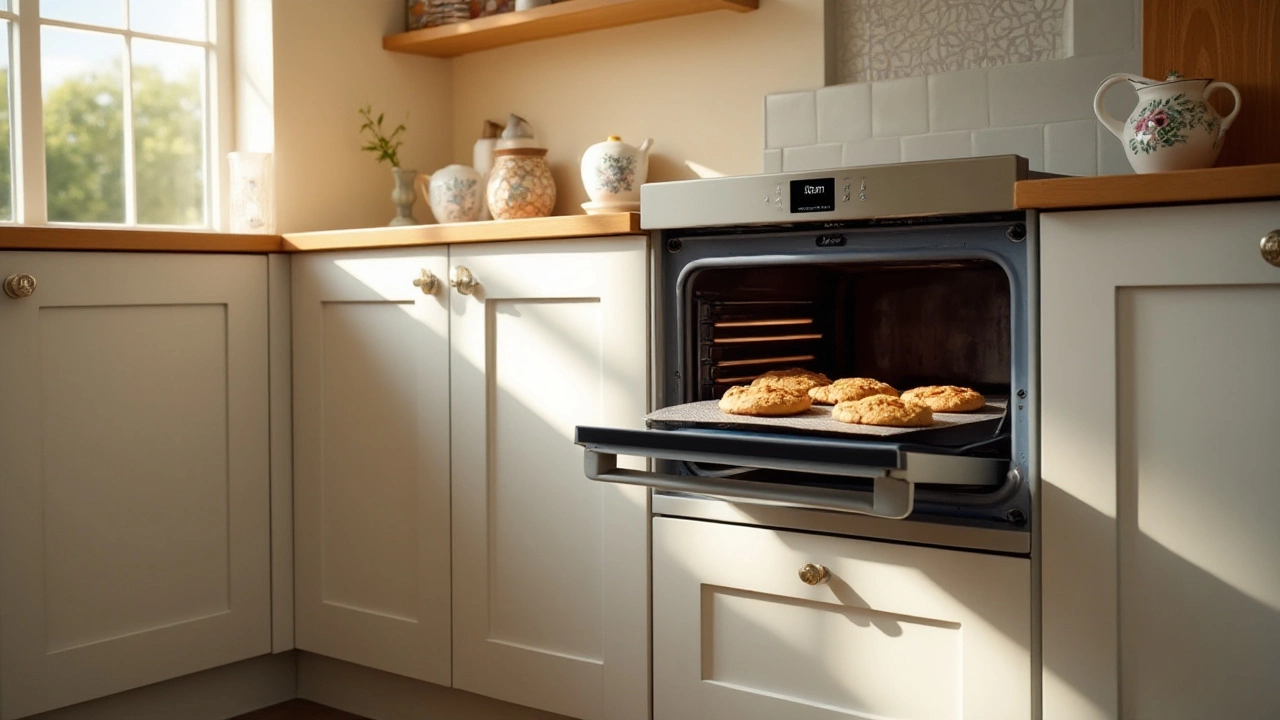
An electric oven is a staple in most kitchens, used for everything from baking cookies to roasting savory meals. Knowing how long an electric oven is expected to last can help homeowners budget and plan for replacement or repairs. This article explores the average lifespan of electric ovens, factors influencing their durability, and tips on maintenance to extend the life of the appliance. Understanding these aspects will aid in maximizing the utility and performance of your oven.
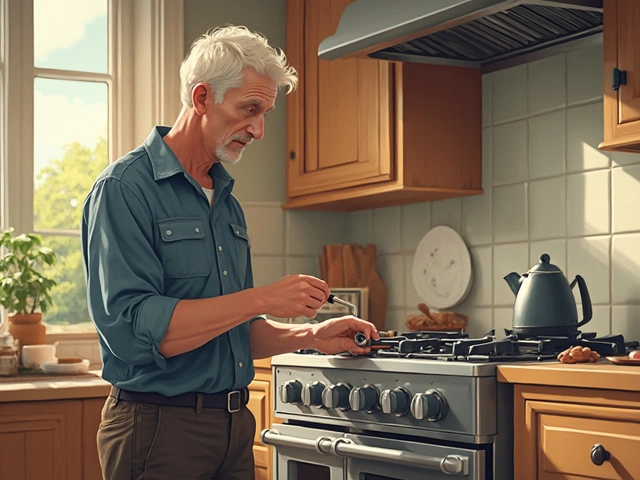
Wondering if you can fix a faulty gas hob? This article explains what repairs are possible, which issues you can tackle yourself, and when to call in a pro. Get down-to-earth tips on spotting common problems, safety advice, and how regular care can extend your hob’s life. We cover everything from spark ignition troubles to stubborn burners that won’t light. Know what you’re dealing with and avoid expensive mistakes.

Wondering if that decade-old laptop should stick around or be kicked to the curb? This article dives into the practicality, challenges, and potential of keeping a 10-year-old laptop. With tips on upgrading components, performance tweaks, and sustainability, you'll discover whether holding on to an old device is a wise choice. Including pros and cons, this guide offers straightforward advice for the tech-savvy and beginners alike. Explore the balance between nostalgia and functionality in the ever-evolving world of technology.
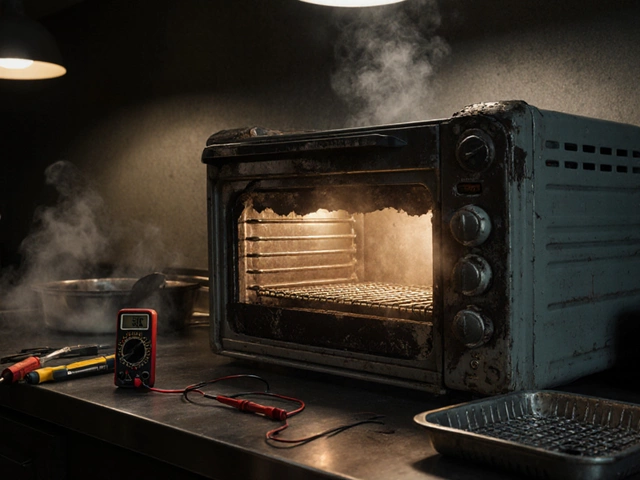
If your electric oven isn't heating, it's usually due to a broken element, faulty thermostat, or blown thermal fuse. Learn how to diagnose and fix the most common causes quickly and safely.
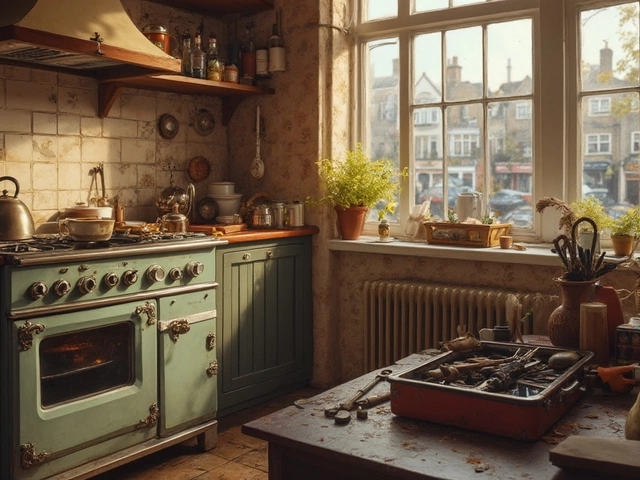
Deciding whether to repair an electric oven after five years can be tricky, especially with advancing technology and evolving household needs. This article explores the practical aspects of oven repair, including cost-benefit analyses, common issues, and DIY tips to help inform your decision. By understanding key factors like repair costs versus replacement options, you can make an informed choice. Learn how to assess the condition of your oven and get tips on when professional help might be needed.
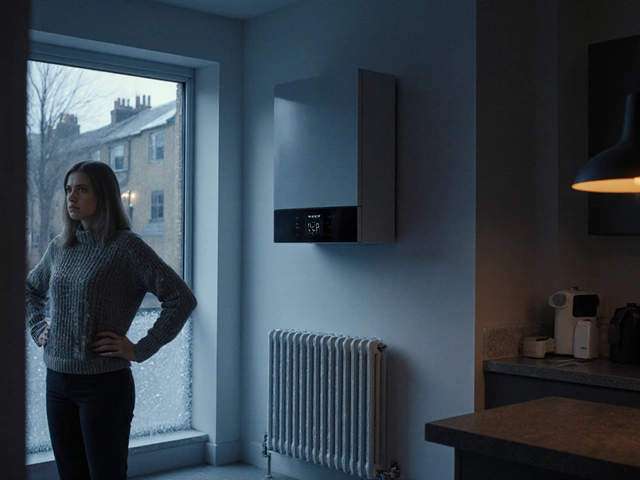
A practical UK guide that tells you exactly who to call when your boiler fails, how to verify a qualified engineer, and what steps to take before and after the repair.