

If you’re standing under a lukewarm spray every morning, you’re not alone. Most shower problems boil down to a few easy‑to‑check things: the water heater, the pipes, or the shower valve. The good news? You can often spot the cause and fix it yourself before calling a pro.
The first place to look is your water heater. A cold shower is usually a sign the heater isn’t producing enough hot water or it’s taking too long to warm up. Start by feeling the water at the nearest tap. If the kitchen sink’s hot water is also lukewarm, the heater is the likely culprit.
Turn the thermostat up a few degrees and give the heater a minute to respond. If the water stays cold, check the pilot light (for gas models) or the circuit breaker (for electric units). A tripped breaker or an out‑of‑gas pilot can shut the heater down completely.
Another common snag is a buildup of sediment inside the tank. Over time, minerals settle at the bottom and act like an insulating blanket, making it harder for the heater to heat the water. Flushing the tank once a year clears the sludge and restores performance. If you’re not comfortable doing it, local plumbers can handle a quick flush for a few pounds.
Even a fully functional heater can lose its heat if the hot water has to travel through long, poorly insulated pipes. If your home’s hot water runs a long way to the bathroom, the water may cool before it reaches the shower. Insulating the pipes with foam sleeves is cheap and cuts heat loss dramatically.
The shower valve itself can cause temperature swings. Many modern mixers have a “thermostatic” setting that balances hot and cold. If the valve is worn or clogged with mineral deposits, it can’t maintain the set temperature. Unscrew the handle, remove the valve cartridge, and soak it in vinegar for a few hours to dissolve any buildup. Re‑assemble and test – you may regain a steady warm flow.
If you have a single‑handle shower, try adjusting the knob fully to hot and then back to your comfort level. Sometimes the valve simply needs a little repositioning after a recent repair or a hard tap.
Most cold‑shower headaches are solved with the steps above, but there are cases where a professional is needed. If you notice leaking water around the heater, strange noises, or the water heater refuses to turn on after resetting the breaker, it’s time to call a qualified technician. Same goes for gas‑powered units – any issue with the gas line or pilot light should be handled by a Gas Safe engineer.
Another red flag is a sudden loss of hot water in just one bathroom while the rest of the house stays warm. That often points to a localized plumbing issue that requires a plumber’s expertise.
Bottom line: start with the water heater, check the pipes and valve, and you’ll resolve most shower issues without a hefty bill. If you’ve tried these tricks and still face cold showers, let a trusted local repair service take a look. A warm shower should be the first thing you enjoy each day, not a mystery to solve.
Experiencing no hot water in the shower can be frustrating, especially on cold mornings. This article provides practical solutions to diagnose and resolve common issues with your water heating system. From checking simple things like the thermostat to identifying more complex issues like a faulty heating element, you'll learn how to get back to enjoying a warm shower.
Find out if a broken boiler always means no hot water. Learn common causes like diverter valve failure, low pressure, and how to troubleshoot your system.
Find out why your tumble dryer isn't spinning and learn step-by-step fixes for common dryer problems. Stay informed with practical tips and real solutions.
Discover the most reliable heat pump brands for UK homes in 2025, based on real repair data, warranty claims, and installer feedback. Avoid costly mistakes by choosing wisely.
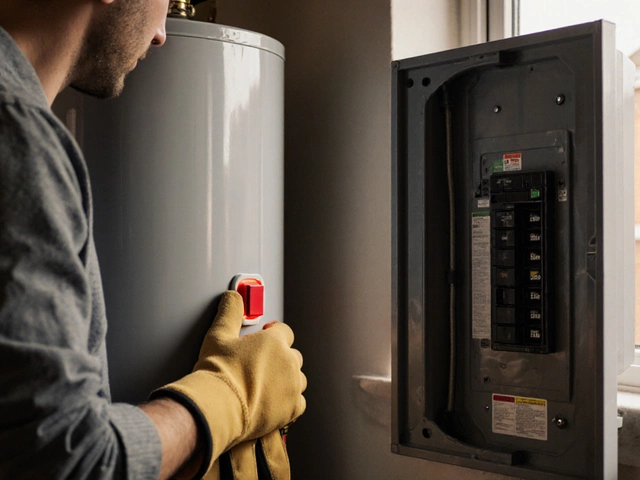
Learn when it's safe to press the water heater reset button, step‑by‑step instructions, common risks, and when to call a professional.
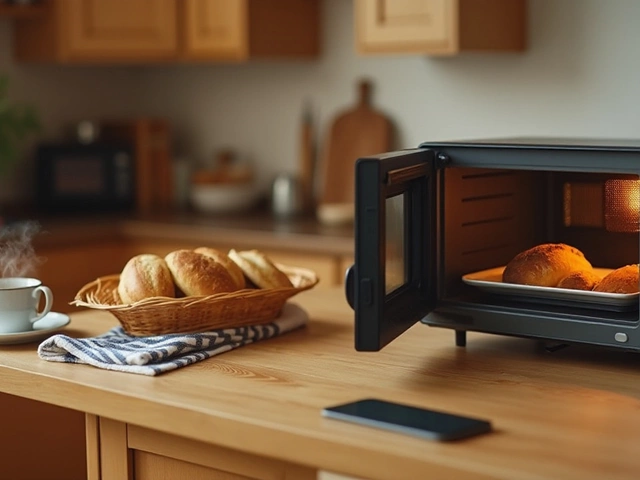
Microwave ovens are essential appliances due to their convenience in heating food. However, they can encounter several problems over time. The most frequent cause of microwave failure is a faulty door switch. This article discusses common microwave problems, how to identify them, and offers practical guidance on how to handle these issues.