

If your gas oven won’t light, the igniter is often the culprit. A weak or broken igniter means the gas never sparks, leaving you with a cold oven and a frustrated dinner plan. The good news? Most igniters are cheap and can be swapped in under an hour with basic tools. Below we’ll walk through the signs, the tools you need, and the exact steps to get your oven heating again. And if you hit a snag, we’ll tell you when it’s smarter to call a local pro.
The igniter is a small, glowing coil that heats up when you turn the oven on. If it’s cracked, corroded, or simply worn out, it won’t reach the temperature needed to ignite the gas. Common clues include a faint click, no glow, or a smell of gas that disappears quickly. You might also notice the oven takes longer than usual to reach the set temperature, or it never gets hot at all. Checking the igniter first saves you from pulling apart the whole oven needlessly.
Tools you’ll need: screwdriver set, nut driver, multimeter (optional), safety gloves, and the correct replacement igniter model for your oven. Most manufacturers list the part number on the original igniter or in the owner’s manual.
1. Safety first. Turn off the oven and unplug it. If you can’t reach the plug, switch off the circuit breaker for the kitchen. Let the oven cool completely – the igniter gets extremely hot during operation.
2. Locate the igniter. Open the oven door and remove the bottom panel or the rear access panel. In many models the igniter sits just behind the burner, held in place by a couple of screws or clips.
3. Test (optional). If you have a multimeter, set it to check resistance. A healthy igniter usually reads between 30‑70 ohms. A reading outside that range confirms it’s bad.
4. Remove the old igniter. Unscrew the mounting screws, gently pull the igniter out, and disconnect any wire connector. Be careful – the wires can be brittle.
5. Install the new igniter. Connect the wire plug, slot the new igniter into the same position, and tighten the screws. Make sure it sits flush and isn’t touching any metal parts that could cause a short.
6. Re‑assemble and test. Put the panels back, plug the oven in, and turn it on. You should see a bright orange glow within a second and hear the gas ignite. If it still doesn’t light, double‑check the wiring and consider other issues like a faulty gas valve.
Replacing an igniter is straightforward, but a few things can trip you up. Keep your workspace clean, label any screws you remove, and never force a connector – a broken clip can cost extra time.
When to call a professional. If the igniter tests fine but the oven still won’t light, the problem could be deeper in the gas supply line or the control board. At that point it’s safer to let a qualified Bognor Regis Appliance Repair Expert handle the job. Our technicians have the tools and certifications to work with gas components safely and get your oven back to normal quickly.
Ready to tackle the igniter yourself? Grab the right part, follow the steps above, and you’ll likely have a hot oven again in under an hour. Still unsure? Give Bognor Regis Appliance Repair Experts a call – we’re on hand for fast, reliable service in the Bognor Regis area.
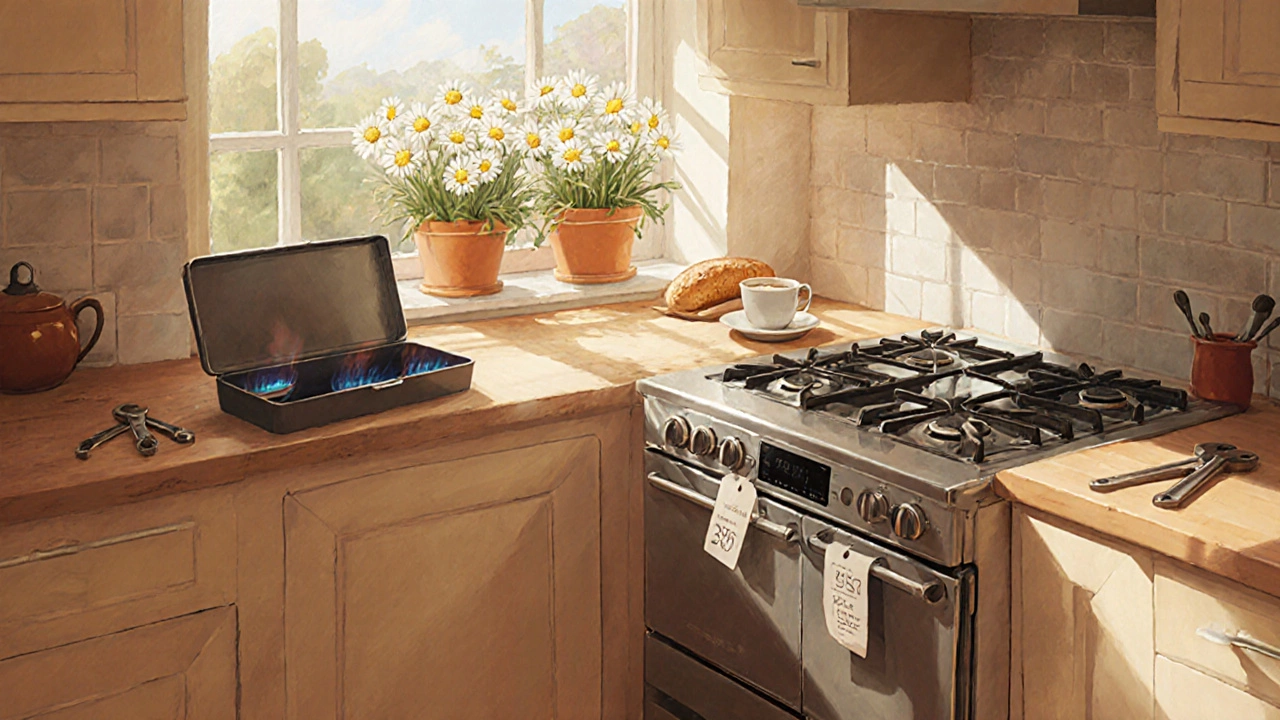
Learn the typical cost of repairing a gas oven igniter, compare DIY vs professional pricing, and discover tips to keep your repair bill low.
Washing machines are among the most used household appliances, making them prone to various problems over time. This article explores the most frequent issues like leaks, drainage problems, and strange noises. Understanding these problems can help in diagnosing issues quickly and considering effective repairs. The article also offers helpful tips to maintain your machine and keep it running efficiently for years. Simple maintenance steps can prevent most common problems from occurring.

Wondering if you should throw out your seven-year-old oven or give it a second chance? This article breaks down when it makes sense to fix an older oven, what problems are easy or tough to repair, and how much money you might actually save. Get straight answers on costs, lifespan, and smart ways to keep your oven running. No fluff—just helpful facts and real advice you can use.

Deciding whether to repair an electric oven after five years can be tricky, especially with advancing technology and evolving household needs. This article explores the practical aspects of oven repair, including cost-benefit analyses, common issues, and DIY tips to help inform your decision. By understanding key factors like repair costs versus replacement options, you can make an informed choice. Learn how to assess the condition of your oven and get tips on when professional help might be needed.

Curious how to fix a broken cooker? Explore hands-on steps, common faults, safety tips, and tricks to get your appliance working again—no jargon, just practical advice.

In the world of home heating, boilers are real workhorses. But have you ever wondered how long your trusty boiler will keep chugging along? Typically, a boiler can last anywhere from 15 to 20 years, depending on various factors like maintenance, usage, and quality of installation. Knowing when to fix or replace your boiler not only ensures a warm home but also helps you avoid unexpected expenses.