

If something in your kitchen or heating system stops working, the first thought is usually ‘call a repair service’. But many problems have easy fixes you can try at home before you pick up the phone. From a noisy dishwasher to a fridge that won’t cool, a few simple steps often get the job done without the extra cost of a technician.
Let’s start with the most common culprits. A fridge that’s warm but still lights up usually means the condenser coils are dusty – a quick vacuum or brush cleaning can restore proper cooling. For electric ovens that won’t heat, check the heating element; a visual crack or break is easy to spot, and swapping it out is a weekend DIY project.
Stove burners that flicker or won’t ignite are often just clogged with food residue. Soak the burners in warm, soapy water, scrub gently, and they’ll fire up again. Dishwashers that keep resetting typically have a faulty thermostat or a buildup of lime; a quick flush of the heating element with white vinegar can solve the issue.
Heat pumps are a bit trickier but still manageable. If your heat pump isn’t blowing warm air, the filter might be blocked or the outdoor fan could be obstructed by leaves. Clearing the debris and resetting the unit often restores performance. However, if the unit won’t heat at all, it could be a refrigerant leak – that’s a sign to call a pro.
Knowing when to stop DIY is key. If you’re dealing with gas‑powered appliances, boiler repairs, or any component that requires electrical disconnection, it’s safer to let a Gas Safe engineer or qualified electrician take over. Boiler leaks, water heater resets that keep happening, or a heat pump that stops working in freezing weather usually need specialist tools and knowledge.
Another red flag is the cost of parts versus the age of the appliance. If a 10‑year‑old washing machine needs a new motor, it’s often cheaper to replace the whole unit. Same goes for a stove with multiple broken elements. In those cases, a professional can give you an honest cost‑benefit analysis.
So, before you dial a repair service, run through these quick checks. They’ll either solve the problem on the spot or give you clear information to share with the technician, which can speed up the repair and possibly lower the bill.
Remember, a little maintenance goes a long way. Regularly cleaning filters, checking seals, and flushing water heaters can prevent many breakdowns. When you combine those habits with a basic troubleshooting guide, you’ll spend less time waiting for a repair service and more time enjoying your home appliances.
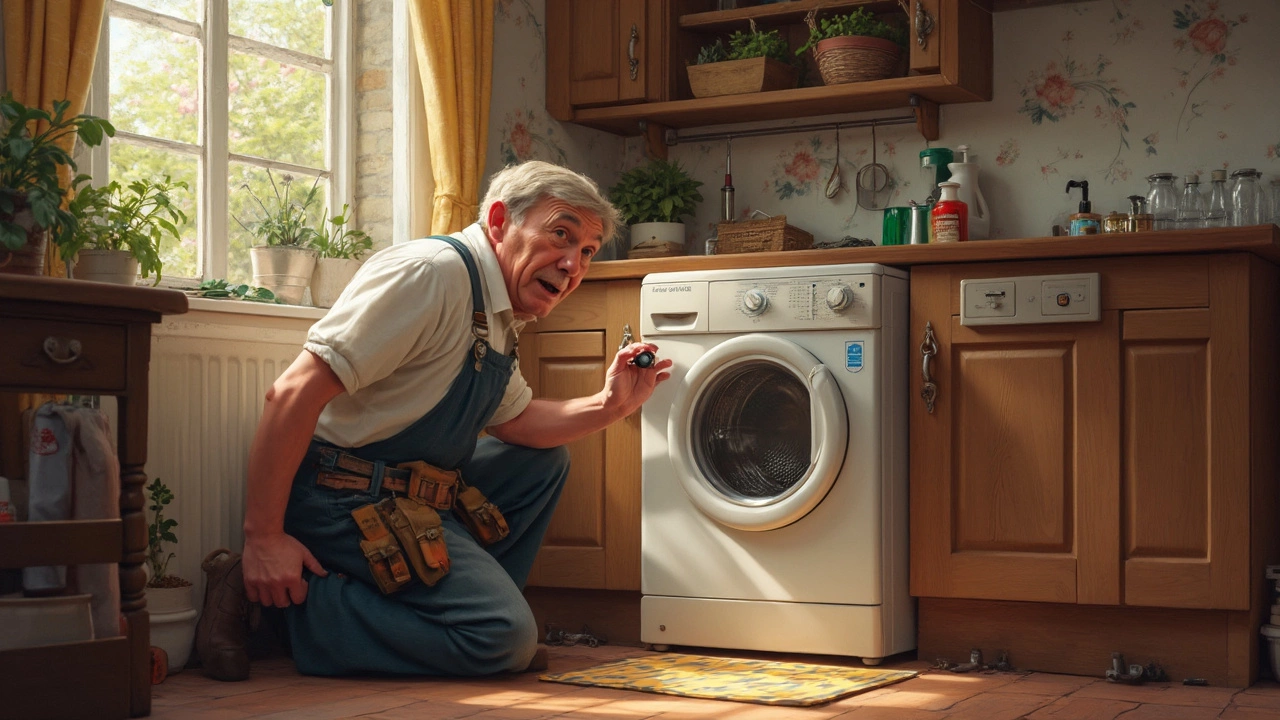
An appliance technician plays a crucial role in keeping household and commercial appliances running smoothly. They diagnose issues, perform necessary repairs, and offer maintenance tips to prevent future problems. Understanding their responsibilities helps in appreciating their importance. This article provides insights into the day-to-day duties of an appliance technician and offers tips for those aspiring to join this field.
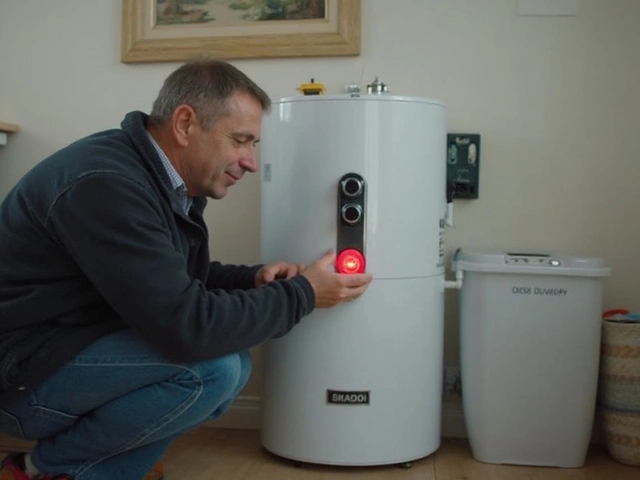
Ever wondered why you end up pushing that red reset button on your water heater over and over? This article digs into exactly what the reset button does, why it keeps tripping, and what can go wrong if you keep hitting it. Get clear answers about hidden water heater issues and learn simple steps to protect your system—and your wallet. We’ll walk you through warning signs, smart troubleshooting tips, and when it’s time to call a pro. No tech jargon, just straight talk for anyone tired of cold showers.

Wondering why your water heater keeps needing a reset before you get hot water? Learn the real reasons, what you can safely check, and when it’s time to call for help.

Pressure cookers can usually be repaired, and fixing them at home can save both time and money. This article covers how to spot common problems, which parts can be replaced, and when to leave repair jobs to the pros. You'll also find smart tips to keep your pressure cooker running safely. Even if you're not a 'handy' person, a lot of repairs are easier than you’d think. Don't toss out that pressure cooker until you know what can actually be fixed.

Thinking of how long your gas hob will last? Dive into the expected lifespan of gas hobs, factors that affect their longevity, and simple maintenance tips. Discover how regular care can stretch your appliance's life and understand when it's time to consider repair or replacement. Make informed decisions to keep your culinary adventures flaming well.

Refrigerators are a crucial part of our daily lives, and when they malfunction, it can be a real headache. One of the most common repairs involves fixing the refrigerator's cooling system. Often, issues arise from problems with the condenser coils, which can become dirty or worn out over time. By understanding these common problems, homeowners can better maintain their appliances, potentially saving time and money.