

If your pressure cooker is leaking, won't lock, or isn’t building pressure, the problem is almost always a faulty part. Knowing the main components and where to get replacements can save you time and money. In this guide we’ll cover the most common parts, how to spot a bad one, and the safest way to swap it out. We’ll also tell you when it’s smarter to call a local repair pro.
Sealing ring (gasket) – This rubber ring sits on the lid and creates the pressure seal. Over time it can dry out, crack, or lose its shape. If you see steam escaping around the lid, the gasket is the first suspect.
Locking / safety valve – The valve lets excess steam out and stops the cooker from opening under pressure. A stuck or corrupted valve can cause the cooker to over‑pressurise or refuse to lock.
Pressure regulator (weight) – In many models a small metal weight sits on the vent pipe to maintain the correct pressure level. If the weight is bent or missing, pressure won’t hold.
Plug / vent pipe – The vent pipe lets steam escape when you release pressure. Blockages, rust, or a cracked pipe will stop the cooker from working properly.
Handle & lid hinges – Broken handles or loose hinges make it hard to open or close the cooker safely. Even if the internal parts are fine, a weak handle is a safety risk.
First, unplug the cooker and let it cool completely. Never work on a hot pressure cooker – the steam can cause burns.
Next, check the manufacturer’s manual for part numbers. Most brands list the exact gasket size, valve model, and regulator weight you need. If you don’t have the manual, a quick photo of the part and the model number is enough when you search online or call a spare‑parts shop.
When you have the new part, clean the contact surfaces with a damp cloth. Old food residue can stop a new gasket from sealing properly. Slip the new gasket onto the lid, making sure it sits evenly all the way around.
Install the valve or regulator by following the click‑or‑twist direction shown in the manual. Do not force it – a mis‑aligned valve can damage the threading.
Re‑assemble the cooker and do a test run with water only. Bring it up to pressure and watch for any leaks. If steam escapes at the seal or vent, double‑check the gasket position and tighten the valve.
Keep a small stock of the most common parts – a gasket and a valve – in your kitchen drawer. They’re cheap, and you’ll never be stuck waiting for a technician.
When the problem involves the internal pressure mechanism, the body of the cooker, or electrical components, it’s best to call a local expert. Bognor Regis Appliance Repair Experts can source OEM parts, check safety certifications, and get your cooker back in service fast.
Remember, a pressure cooker is a high‑pressure device. If you’re ever unsure, stop and call a professional. It’s better to be safe than to risk a burst or a burn.

Pressure cookers can usually be repaired, and fixing them at home can save both time and money. This article covers how to spot common problems, which parts can be replaced, and when to leave repair jobs to the pros. You'll also find smart tips to keep your pressure cooker running safely. Even if you're not a 'handy' person, a lot of repairs are easier than you’d think. Don't toss out that pressure cooker until you know what can actually be fixed.

Curious which washing machine brand stands up best to repairs and everyday wear? This article digs into brand reliability, repair costs, and little-known tips every washing machine owner should know before buying or fixing one. You'll get the real scoop on which brands are easiest to fix, which have the cheapest parts, and what actually ends up causing most breakdowns. Whether you've had bad luck with machines before or just want a smooth laundry routine, this guide breaks it all down. No bias, just straight talk based on what actually happens when these things break.
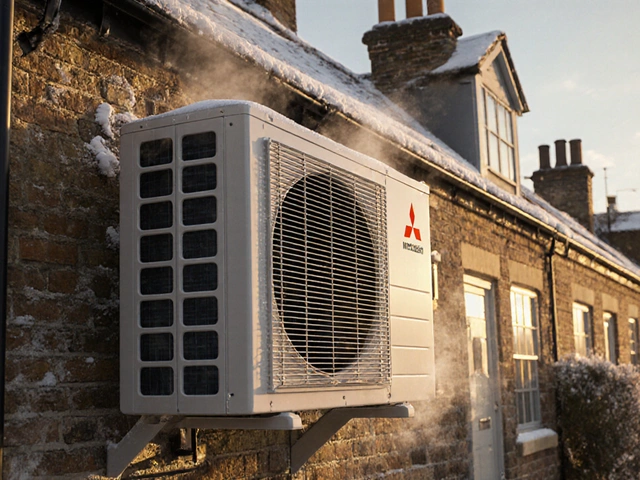
Discover the most reliable heat pump brands for UK homes in 2025, based on real repair data, warranty claims, and installer feedback. Avoid costly mistakes by choosing wisely.
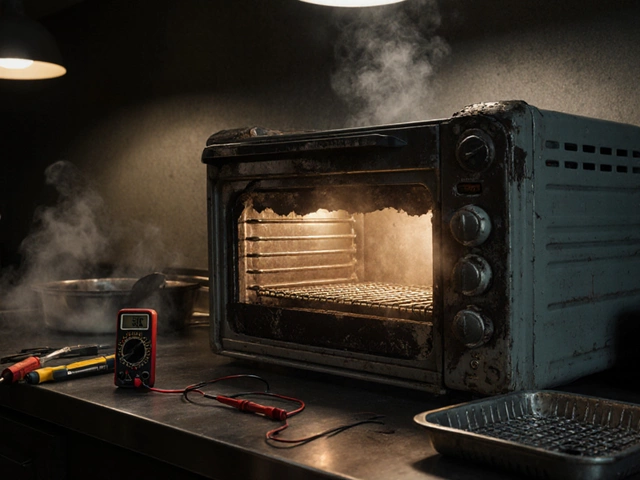
If your electric oven isn't heating, it's usually due to a broken element, faulty thermostat, or blown thermal fuse. Learn how to diagnose and fix the most common causes quickly and safely.
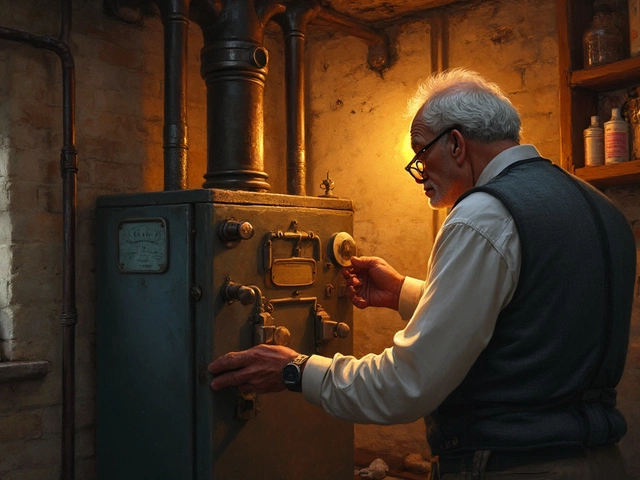
Boiler lifespan can vary greatly depending on usage, maintenance, and type. On average, boilers last anywhere from 10 to 15 years. Regular maintenance is key to prolonging the life of your boiler and ensuring it functions efficiently. In this article, discover how to keep your boiler in top shape and when it might be time to replace it.

Cracks in electric hobs can show up suddenly and cause real headaches in the kitchen. This article looks at why electric hobs crack, from common mistakes to sneaky issues with installation. You'll get practical tips on how to prevent damage and handle minor cracks. Find out when you can fix a hob yourself and when it's smarter to call for professional help. Stay ahead of costly repairs and keep your cooking space safe.