

Got a drip, a slow drain, or a water heater that’s acting up? You don’t need a pro for every little hiccup. Below are practical plumbing tips that any homeowner can try before calling a tradesperson.
A single dripping tap can waste up to 15 litres of water a day. First, turn the water supply off – usually the valve under the sink. Unscrew the faucet handle and check the O‑ring or washer. If it looks cracked or hardened, replace it with a new one from the hardware store. Slip the new washer in place, re‑assemble, and turn the water back on. The drip should be gone.
If the leak comes from the pipe joint, tighten the coupling with an adjustable wrench. Don’t over‑tighten; a little wiggle means it’s snug enough. For stubborn leaks, wrap the joint with plumber’s tape and re‑tighten. This quick fix often stops a leak long enough to schedule a professional visit if needed.
When the sink or shower drains slowly, start with a simple plunger. Fill the basin with enough water to cover the plunger cup, then give a few firm pushes. If that doesn’t clear the blockage, grab a drain snake. Insert the coil into the pipe, twist, and pull out any hair or debris. Dispose of the gunk in the trash, not the toilet.
For recurring clogs, a half‑cup of baking soda followed by a half‑cup of white vinegar works well. Let it fizz for 15 minutes, then flush with hot water. This natural combo cuts through grease and soap scum without harsh chemicals.
Water heaters lose efficiency when mineral build‑up gathers inside. Flushing the tank once a year can add years to its life. Turn off the power or gas, close the cold‑water inlet, and attach a garden hose to the drain valve. Run the hose to a floor drain, open the valve, and let the water flow out. Once empty, briefly open the inlet to let fresh water rinse the tank, then close, refill, and restore power.
While you’re at it, check the pressure‑relief valve. Lift the lever – water should sputter out. If it doesn’t, replace the valve. A faulty pressure valve can cause leaks or, worse, a burst tank.
Winter freezes are a nightmare for pipe owners. Insulate exposed pipes with foam sleeves, especially in basements, crawl spaces, and attics. If you plan to be away, set the thermostat a few degrees higher and let a trickle of water run from faucets on vulnerable walls. The moving water is less likely to freeze.
If a pipe does freeze, never use an open flame. Apply a hair dryer or a space heater to the frozen section, moving from the warm end toward the cold. Once the ice thaws, check for cracks and repair them promptly.
Most minor issues can be tackled with the tips above, but some problems need a qualified plumber. If you notice sewage odors, constant water pressure loss, or a burst pipe, shut off the main valve and call a professional. Trying to fix major pipe failures yourself can cause bigger damage and costly repairs.
By learning a few basic plumbing tips, you’ll save time, money, and the stress of emergency calls. Keep these steps handy, and you’ll feel confident handling the most common household plumbing hiccups.
A puzzling situation arises when your shower lacks hot water while the sink heats perfectly fine. This article dives into possible reasons like different pipe routes, shower valve issues, and water heater capacity. It also offers practical solutions, such as checking the temperature settings and flushing the water heater to remove sediment. Understanding common plumbing malfunctions can lead to quick fixes without calling a professional.
Dealing with a lack of hot water can be incredibly frustrating, especially during colder months. This article provides step-by-step guidance to identify and fix common issues with water heaters, ensuring you can tackle minor problems yourself before calling a professional. By understanding the functionality and common problems associated with water heaters, you can save time, money, and avoid inconvenient cold showers.
Discover practical solutions to restore hot water in your shower with ease. Learn about common problems affecting water heaters and the steps to troubleshoot each issue. This guide will walk you through changing settings, checking components, and knowing when to call a pro. Take control of your hot water system and enjoy a soothing shower experience once again. Ideal for homeowners facing frustrating lukewarm showers.
Experiencing no hot water in the shower can be frustrating, especially on cold mornings. This article provides practical solutions to diagnose and resolve common issues with your water heating system. From checking simple things like the thermostat to identifying more complex issues like a faulty heating element, you'll learn how to get back to enjoying a warm shower.

Electric stoves are a staple in many kitchens, but how long can you expect them to last? This article delves into the average lifespan of an electric stove and what factors can influence its longevity. Discover maintenance tips that can help extend its life and recognize signs when repairs or replacements might be necessary. This guide aims to empower you with insights into prolonging the efficiency of your kitchen's electric stove.
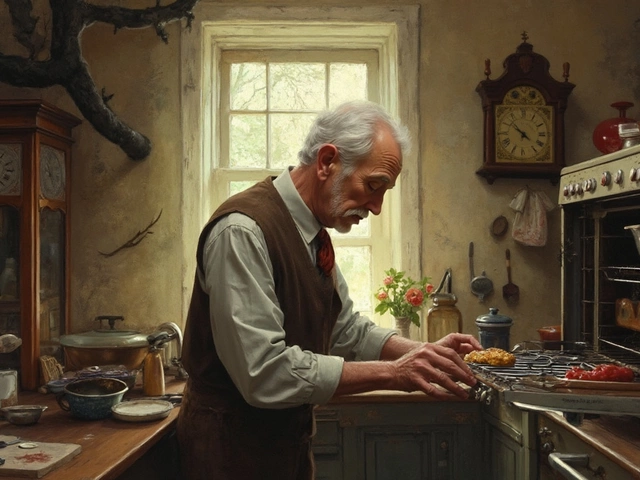
Wondering if it's worth repairing your electric oven or if you should just buy a new one? This article dives into the factors to consider, from cost effectiveness to the age of your appliance, helping you make an informed decision. We'll discuss common issues that can be fixed, when to call in a pro, and some smart tips to extend the lifespan of your oven. By the end, you'll know whether fixing or replacing is the better choice for your situation.
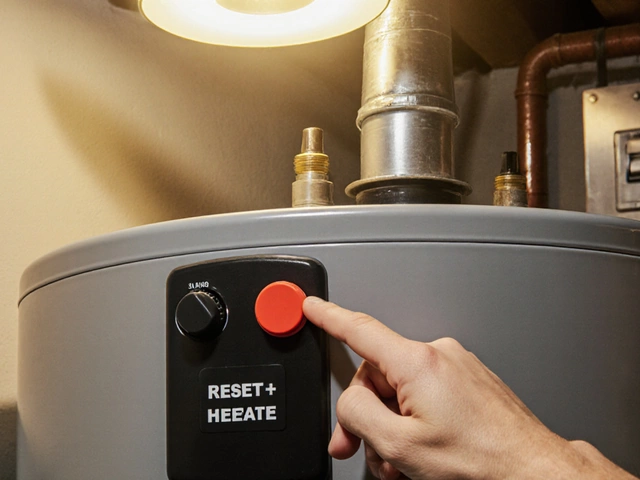
Learn how to safely reset both electric and gas hot water heaters, troubleshoot common issues, and know when to call a professional.
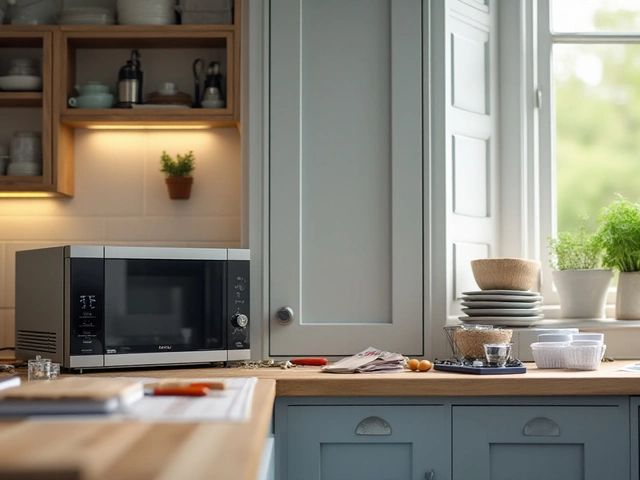
Microwaves are essential in modern kitchens, but when they break down, deciding whether to repair or replace them can be tricky. This article explores the factors that influence repair decisions, common microwave issues, and when it's more economical to buy a new one. It also offers tips on maintaining your microwave to prevent future problems. Understand the costs involved and make an informed choice on your kitchen appliances.
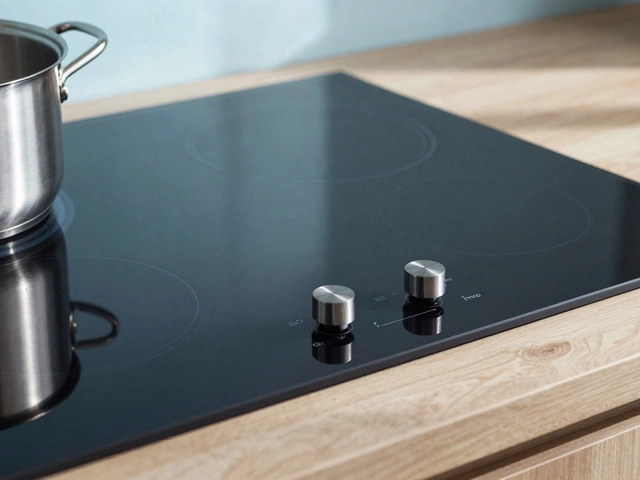
Learn exactly how to reset your electric hob when screens freeze or zones fail. This guide covers universal power cuts, button combinations, and recognizing genuine faults versus false alarms.