

Got a drip, a cold shower, or a noisy boiler? You’re not alone. Most households face a plumbing hiccup at least once a year, and many of them can be solved in under an hour. Below you’ll find the top issues we see every day, straight‑forward steps you can take, and the red flags that mean it’s time to ring a professional.
Leaking taps. Turn off the water under the sink, replace the worn washer, and tighten the tap. A new washer costs pennies and stops the drip instantly.
Clogged drains. Skip the chemical cleaners. Grab a plunger or a simple hand‑augur (a plastic snake), work it gently, and most blockages disappear. If the water still pools, try a mixture of baking soda and hot water to break down grease.
Cold showers. Check the water heater reset button – it trips when the unit overheats. Press it, then wait a few minutes for the heater to fire up again. If the reset trips repeatedly, the thermostat may be faulty, and a technician should check it.
Noisy boiler. Air trapped in the system often causes knocking sounds. Bleed the radiators by opening the bleed valve until water flows steadily. If the noise stays, it could be a pump issue, which needs a pro’s eye.
If you notice any of these signs, call a qualified plumber or heating engineer right away:
Trying to fix these on your own can cause more damage and cost you more in the long run. A certified professional has the tools and training to diagnose the root cause and repair it safely.
Keeping a basic toolkit – adjustable wrench, pipe tape, and a plunger – plus a good sense of when to stop, will save you time, money, and headaches. Remember, a small repair today often prevents a flood tomorrow.

Experiencing a sudden loss of hot water can be inconvenient and potentially alarming. Understanding common reasons for this issue, such as thermostat malfunctions or a broken heating element, can help you troubleshoot the problem. Sometimes the solution is as simple as relighting the pilot light or adjusting the thermostat settings. For more complex issues, professional repair might be necessary. This article provides insightful tips and practical information to help you get your hot water flowing again.

Is your heat pump running but not cooling your home? Learn the real causes, expert troubleshooting tips, and practical solutions to get your comfort back.
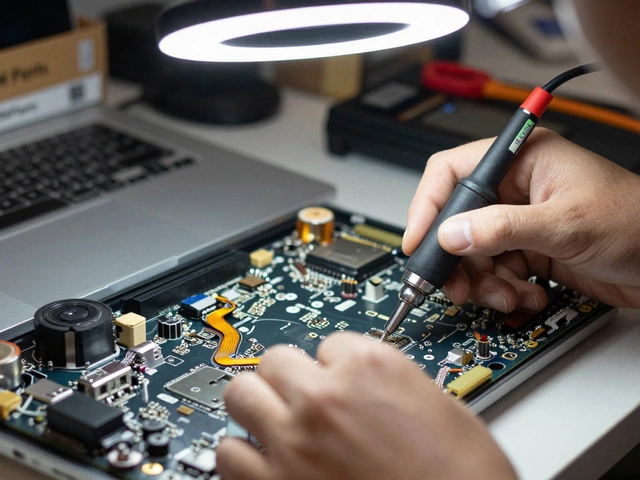
Discover why laptop repair costs have skyrocketed. From genuine parts pricing to skilled labor rates, we break down the real expenses behind every quote.
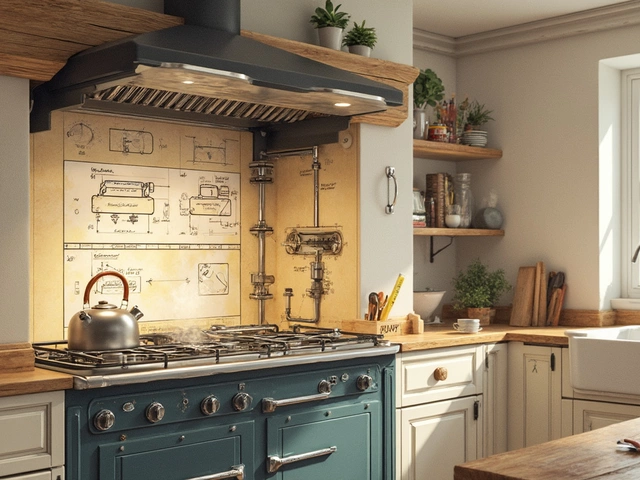
Extractor fans are essential for maintaining good air quality, especially in kitchens and bathrooms. When they stop working, it might be due to electrical, mechanical, or cleanliness issues. Understanding the root causes of fan failures can save you time and money in repairs. Discover common problems, practical tips, and preventive measures to keep your fan spinning efficiently.
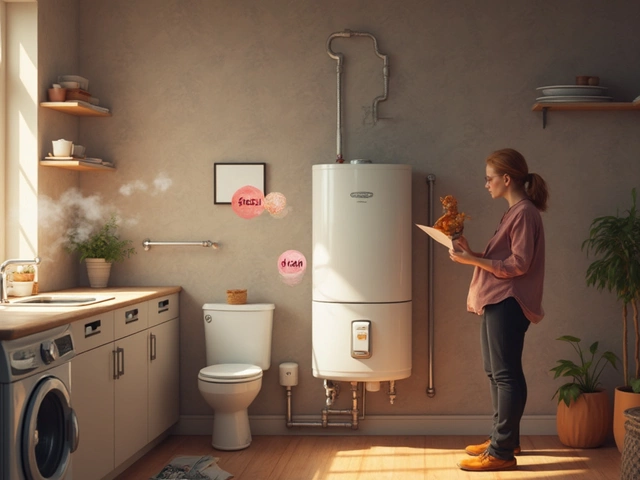
Wondering if you should flush or just drain your water heater? This article breaks down the difference, when each method makes sense, and what actually helps your water heater last longer. You'll find practical advice, simple tips, and a few things even pros forget. Discover the truth about tank cleaning—without the jargon or confusion. Your next maintenance day just got a lot less stressful.
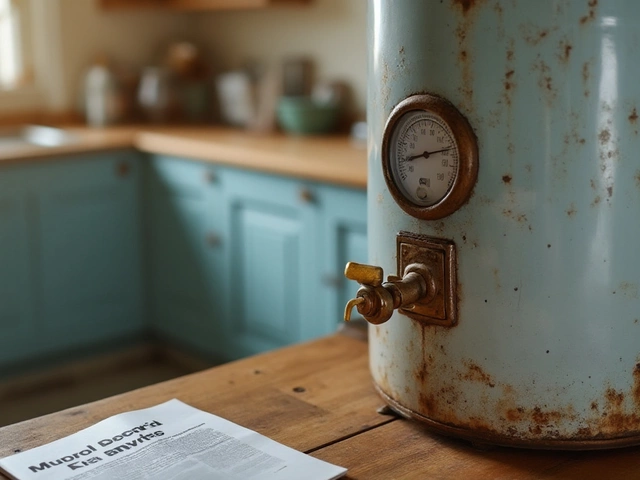
Determining when your hot water heater needs replacement isn't always straightforward. This guide explores key signs such as irregular water temperatures, strange noises, and age that might indicate it's time to get a new unit. Understanding these signs not only ensures a reliable hot water supply but also prevents potential damage and higher energy bills. Additionally, we discuss some tips for maintenance to prolong the life of your current system.