

If your oven won’t heat, makes weird noises, or just feels sluggish, you’re not alone. Most kitchen owners face an oven hiccup at least once a year. The good news? Many of these glitches have simple fixes you can try before calling a pro.
First up, a cold oven. The most frequent cause is a faulty heating element. Look inside the cavity – if the element looks burnt or has broken pieces, it probably needs a swap. In most electric ovens, the element is held in place with a couple of screws. Disconnect the power, remove the screws, pull the old element out, and slide the new one in. Tighten the screws, plug the oven back in, and run a short bake cycle to test.
Another typical issue is uneven heating. This often points to a malfunctioning thermostat or a broken temperature sensor. Both parts are cheap and replaceable. Locate the thermostat (usually behind the back panel) and use a multimeter to check continuity. No continuity means it’s dead and needs a new one. The sensor sits near the oven wall; a quick visual check for corrosion can save a costly call‑out.
If the oven door won’t close properly, heat can escape and trigger error codes. Inspect the hinges and latch for bent metal or broken springs. Tightening loose screws or replacing a small hinge clip often restores the seal.
Some problems are best left to the experts. Gas ovens that won’t ignite, control boards that flash error codes, or any sign of a spark should be handled by a qualified oven specialist. Working with gas or high‑voltage components can be dangerous without proper training.
At Bognor Regis Appliance Repair Experts, our technicians know the ins and outs of all major oven brands. We can diagnose hidden faults, replace worn parts, and give you a warranty on the work. If you’ve tried the DIY steps above and the oven still misbehaves, give us a call – we’ll have it back to normal in no time.
In summary, start with the easy checks: element, thermostat, sensor, and door latch. Keep a basic toolkit handy – screwdriver, multimeter, and a replacement element if you feel comfortable. When the fix feels out of reach or involves gas, trust a professional oven specialist to keep you safe and your oven humming.

Learn the proper term for someone who fixes ovens, how they work, skills they need, and why hiring a pro is a smart move. Helpful tips inside.

Keeping your home well-ventilated is essential, and extractor fans play a crucial role in maintaining air quality. Whether you're installing a new fan or repairing an old one, it's important to know who to call. Professional electricians and specialized ventilation technicians are the go-to experts. They ensure fans are properly installed and functioning efficiently, saving you from potential hassles down the road.
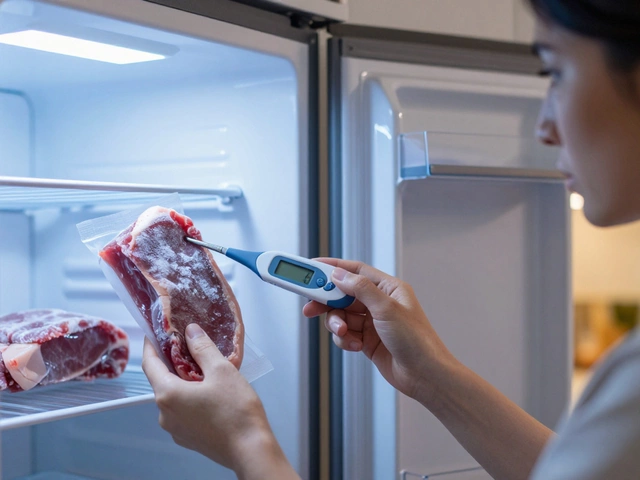
Find out if your food is safe after a freezer breakdown. Learn how long food stays cold, what to keep vs. toss, and essential steps to prevent waste and illness.

Is your heat pump running but not cooling your home? Learn the real causes, expert troubleshooting tips, and practical solutions to get your comfort back.
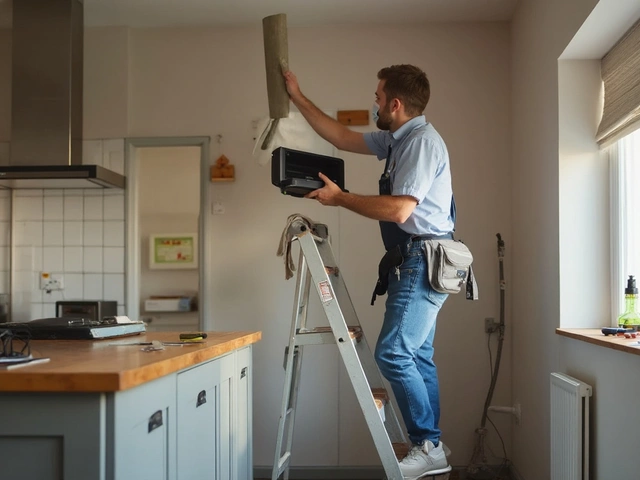
Wondering if you can swap out an extractor fan without calling in a pro? This article breaks down what it really takes to replace an extractor fan yourself, from the easy steps to watch-outs that could trip you up. Learn which tools you’ll need, how to stay safe with electricity, and where to draw the line and call an expert. Get helpful tips and facts straight from a practical perspective. Perfect for anyone ready to tackle a home repair without risking their safety or their ceiling.
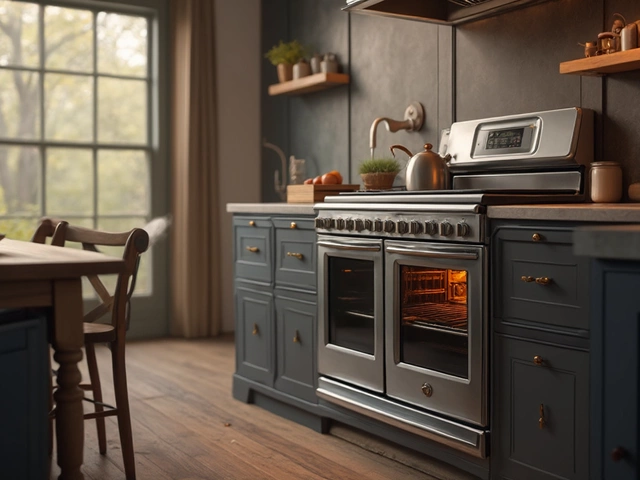
Choosing an oven that stands the test of time goes beyond looks and price. This article delves into which oven brands are celebrated for their durability. We'll explore how build quality, materials, and innovative technologies play a role in longevity. Plus, you’ll get insider tips on maintaining your oven for years to come. Discover how to make a smart choice today that benefits you tomorrow.