

When your oven heating problem, a failure in an oven’s ability to reach or maintain temperature. It’s not just inconvenient—it can ruin meals, waste time, and cost money if ignored. Many people assume it’s time to replace the whole appliance, but often it’s just one part failing. The oven heating element, the coil inside the oven that generates heat when electricity passes through it. Also known as bake element, it’s the most common culprit when your oven won’t heat. If it’s cracked, discolored, or doesn’t glow red when turned on, it’s dead. Replacing it costs less than £100 and usually takes under an hour.
But it’s not always the element. The oven thermostat, the device that senses temperature and tells the element when to turn on or off. Also known as temperature sensor, it can drift over time and make your oven run too cold or too hot. If your oven heats but never reaches the right temperature, or if it shuts off early, the thermostat is likely off. A faulty oven control board, the electronic brain that manages power to all oven functions. Also known as clock module or main PCB, it’s less common but more expensive to fix. It can fail after years of use, especially if moisture or grease gets inside. Power surges, worn-out wiring, or a blown safety fuse can also stop heat from reaching the oven—none of these require a full replacement.
Before you call a technician, check the basics: is the oven plugged in? Is the circuit breaker tripped? Did you accidentally turn on the grill instead of bake? These simple mistakes happen more often than you think. If the oven heats in grill mode but not bake, that points straight to the bake element. If neither works, it’s likely the control board or thermostat. Most local repair shops in Bognor Regis can diagnose this in under 30 minutes—no guesswork, no unnecessary charges.
You’ll find real repair stories below—from broken elements replaced in just an hour, to control boards swapped in older models that were written off by big retailers. These aren’t theory pieces. They’re fixes that worked for real people in your area. Whether you’re dealing with a 10-year-old Bosch or a budget model from a decade ago, the causes are the same. The solutions? They’re cheaper than you think.
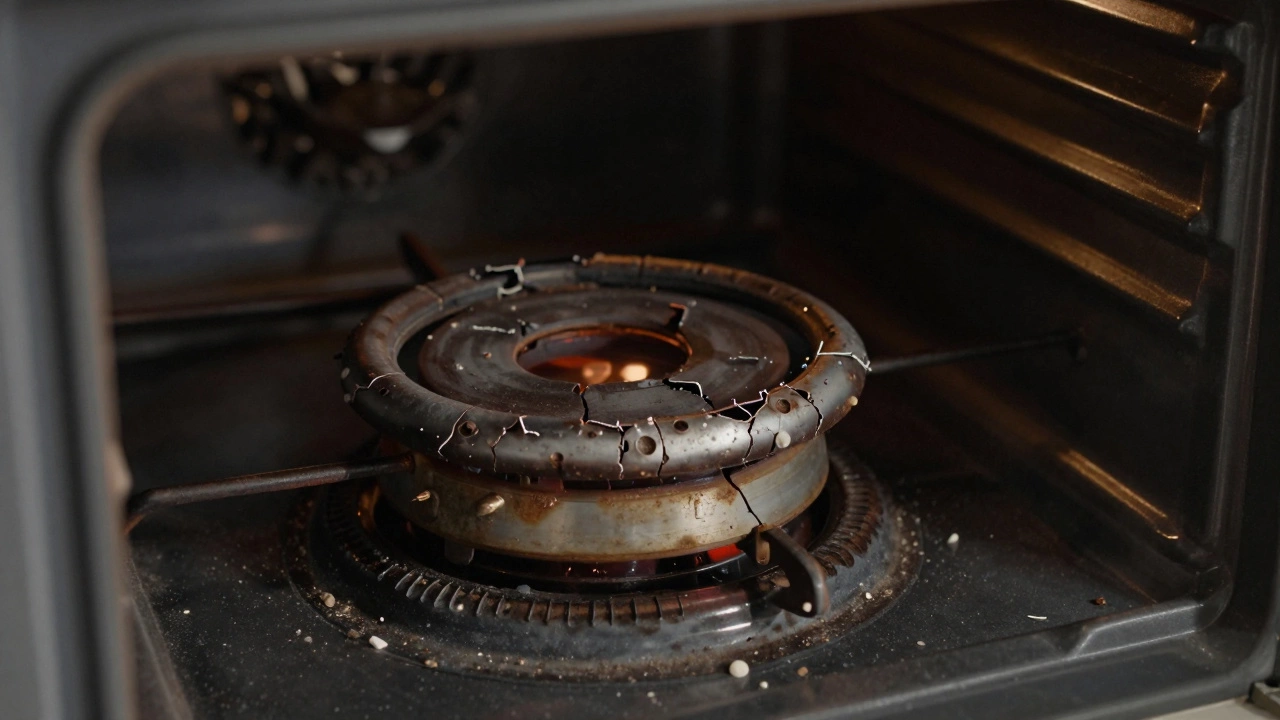
If your oven won't heat up, it's usually a simple fix-like a broken element, faulty thermostat, or blown fuse. Learn the most common causes and how to diagnose them yourself before calling a repair technician.
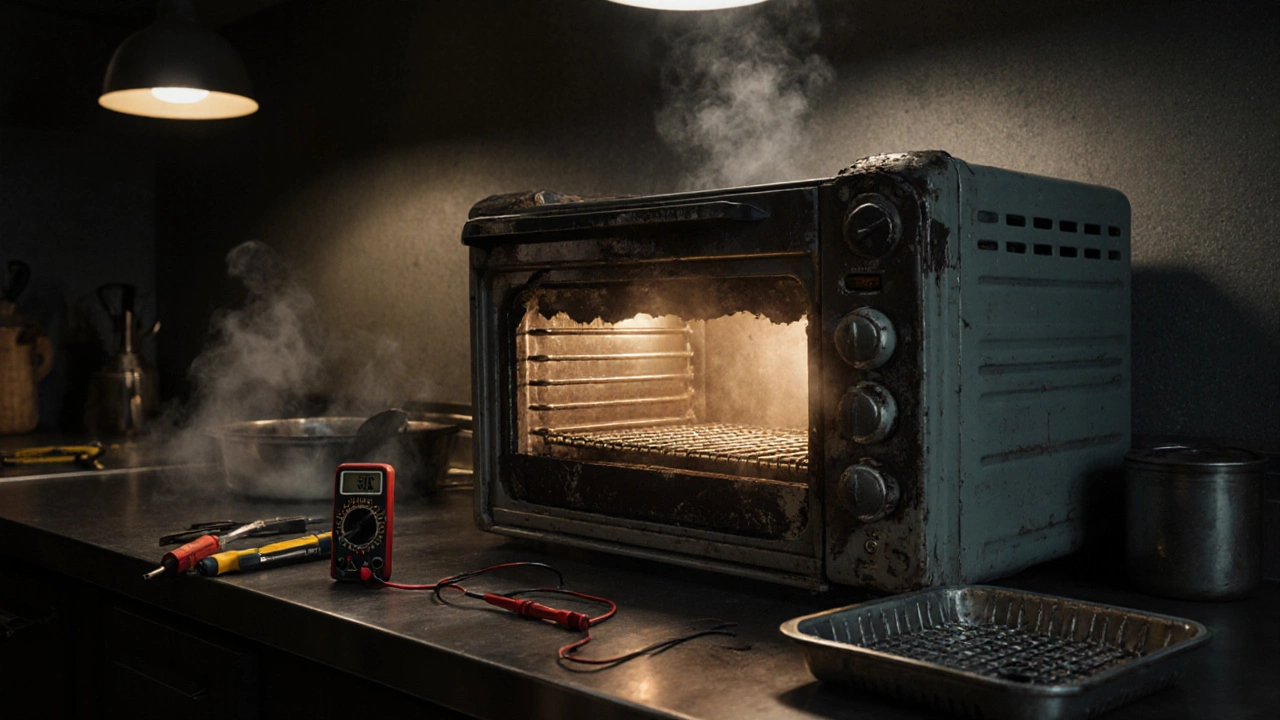
If your electric oven isn't heating, it's usually due to a broken element, faulty thermostat, or blown thermal fuse. Learn how to diagnose and fix the most common causes quickly and safely.
Learn how to fix common dryer problems yourself-no experience needed. Save money and avoid service calls with simple repairs like replacing belts, fuses, and cleaning vents.

Extractor fans are a lifesaver when it comes to clearing out steam, smoke, and nasty odors, but many people forget they actually need a little love now and then. This article cracks open the question of whether extractor fans need maintenance, and if so, what kind and how often. We'll cover quick tips, warning signs, and busted myths around fan care. Get the straightforward facts (and a few surprises) about keeping your fan working its best. No nonsense, just super practical info you can use right now.
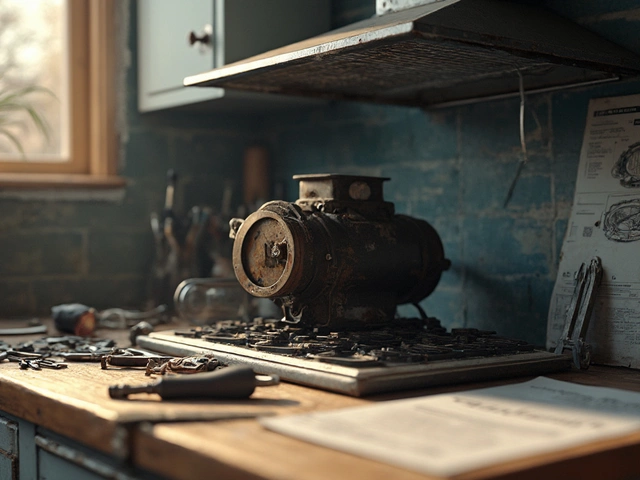
Thinking about swapping out the motor in your extractor fan? This article breaks down what's really involved, the red flags that mean the motor's cooked, and how to decide if you should tackle it yourself or call in a pro. It covers how to find the right replacement part, tips to avoid shocking mistakes, and why some fans just aren’t worth fixing. Whether your bathroom fan wheezes or your kitchen extractor hums like a jet, here’s how to handle a motor on its last legs.
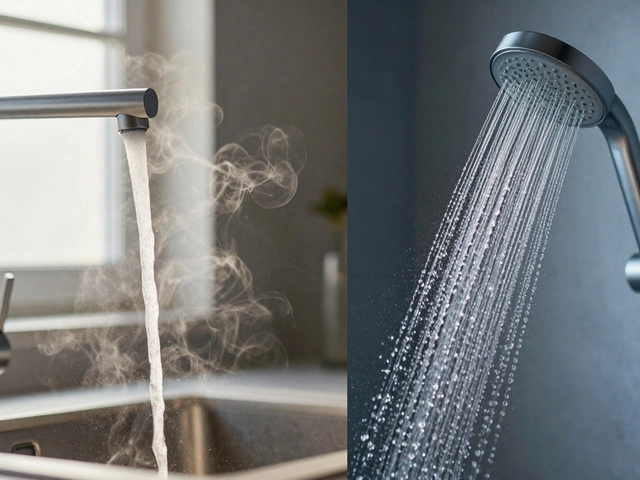
Shower cold but other taps hot? Learn how to diagnose and fix the problem, from failing mixing valves and diverters to air locks and sediment buildup.

When your water heater only puts out cold water, it’s more than just annoying—it can point to real problems inside the unit. This article breaks down the most common reasons behind a water heater that refuses to warm up, from tripped breakers to busted heating elements. You’ll find tips on quick checks you can do at home before calling a pro, plus some unexpected facts about how water heaters really work. Knowing what’s wrong can save you from a frigid morning shower and a giant repair bill. Get ready to tackle that cold water problem with practical advice you can use right away.