Appliance Repair vs. Replace Calculator
Enter Details
This tool uses the "50% Rule" mentioned in the article. Generally, if a repair costs more than 50% of a new unit, replacement is financially smarter—especially for older appliances.
It starts with a strange noise. Maybe your washing machine sounds like it’s trying to take off for flight, or your fridge has suddenly decided that ice cream is best served at room temperature. In those moments, you don’t just need someone who can turn a screwdriver. You need an appliance specialist is a trained professional dedicated to diagnosing, repairing, and maintaining household electrical appliances to ensure safety, efficiency, and longevity. But what does that actually mean in practice? Is it just fixing broken things, or is there more to the job than meets the eye?
The role goes far beyond swapping out a faulty part. An appliance specialist acts as a detective, an engineer, and sometimes even a teacher. They bridge the gap between complex modern technology and the everyday user who just wants their kitchen or laundry room to function normally. Understanding this role helps you hire the right person, avoid scams, and get better value from your home investments.
Daily Responsibilities: More Than Just Repairs
When you call an appliance specialist, you expect them to fix the problem. That is true, but the process involves several distinct steps before any tools are even picked up. The first major responsibility is accurate diagnosis. Modern appliances are packed with sensors, circuit boards, and microprocessors. A specialist must interpret error codes and listen to mechanical sounds to pinpoint the exact failure point.
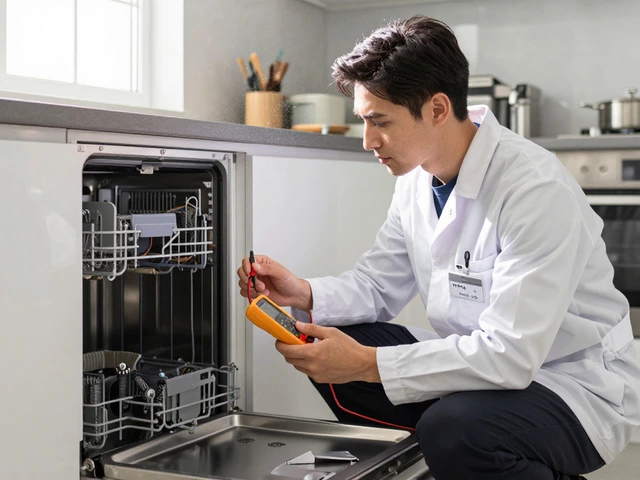
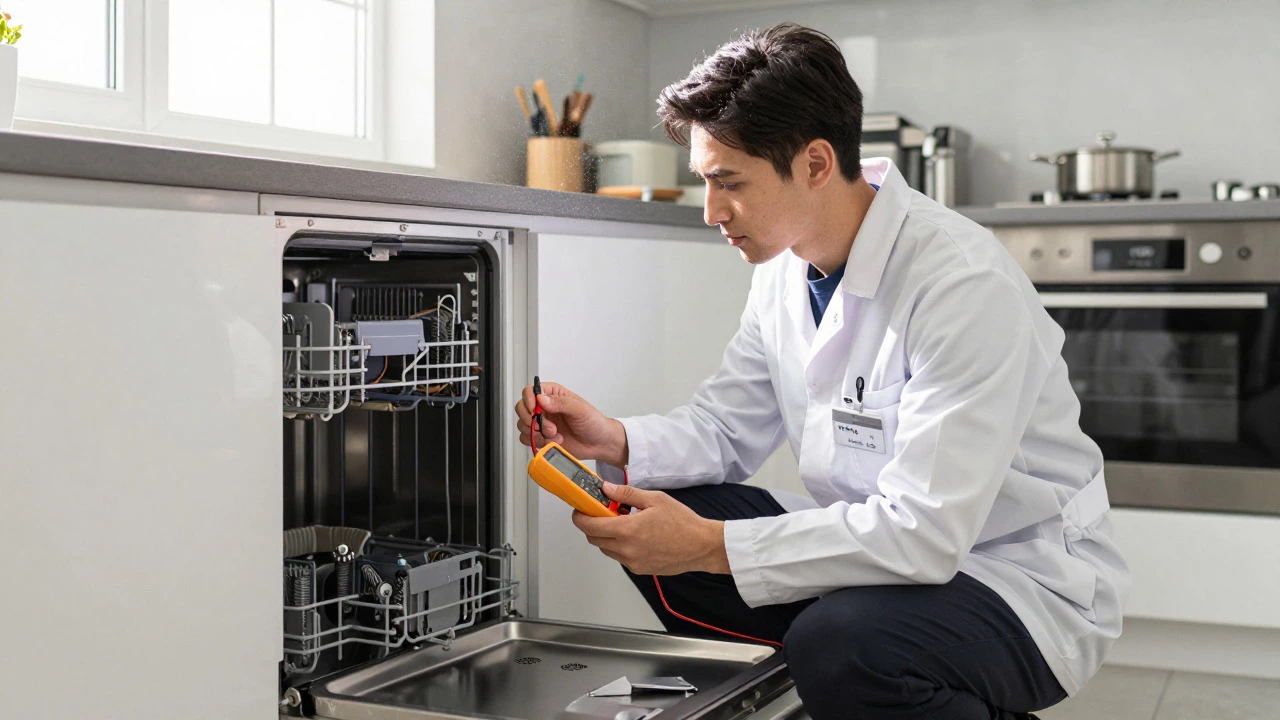
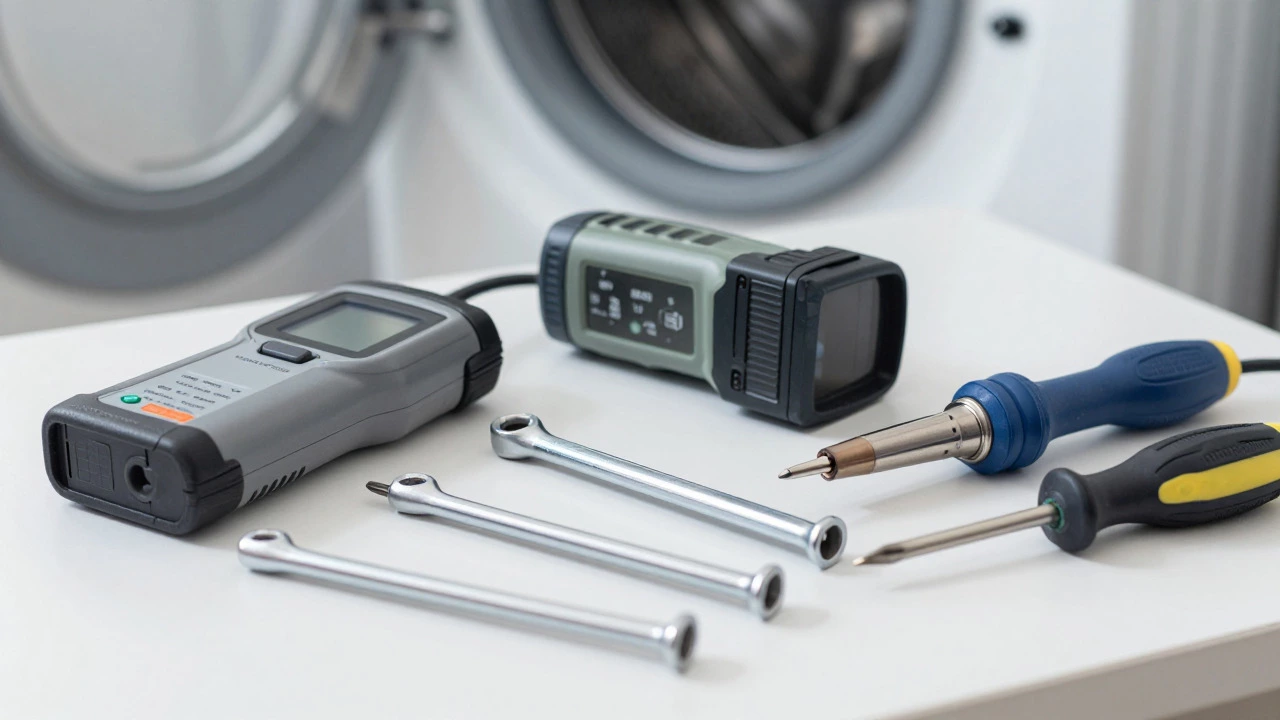
- Diagnostic Assessment: Using multimeters, pressure gauges, and thermal cameras to test components without unnecessary disassembly.
- Part Sourcing: Identifying the correct OEM (Original Equipment Manufacturer) parts versus compatible aftermarket alternatives.
- Repair Execution: Performing the physical repair, which might involve welding, soldering, or replacing motors and compressors.
- Safety Testing: Ensuring gas lines are leak-free and electrical connections meet current safety standards before leaving the site.
In Bristol, where many homes have older wiring combined with newer smart appliances, this diagnostic phase is critical. A specialist doesn’t just guess; they use data. For example, if a dishwasher isn’t heating water, they check the thermostat, the heating element, and the control board in sequence. This methodical approach saves you money by preventing repeat visits.
Technical Skills and Tools of the Trade
To do this job well, an appliance specialist needs a diverse skill set. It is not enough to know how to fix a 1990s washing machine. Today’s technicians must understand digital interfaces and Wi-Fi connectivity. The tools they carry reflect this complexity.
| Skill/Tool Category | Specific Examples | Why It Matters |
|---|---|---|
| Electrical Diagnostics | Multimeters, Clamp Meters | Verifies voltage and continuity to find short circuits or dead components. |
| Gas Safety | Manometers, Gas Leak Detectors | Crucial for ovens and boilers to prevent carbon monoxide leaks and explosions. |
| Digital Literacy | Error Code Decoders, App Integration | Modern appliances send data via apps; specialists must interpret these signals. |
| Mechanical Repair | Welders, Torque Wrenches | Needed for structural repairs on drums, hinges, and gas lines. |
Knowledge of specific brands is also vital. A Bosch oven works differently than a Siemens one, even if they look similar. Specialists often specialize further into categories like white goods is large household appliances such as refrigerators, washing machines, and dryers that typically require dedicated installation space. This specialization allows them to carry the right spare parts in their van, reducing wait times for customers.
Soft Skills: Communication and Trust
You might think technical skills are all that matter, but soft skills are equally important. An appliance specialist spends hours in your home. They need to communicate clearly about what is wrong, how much it will cost, and how long it will take. Transparency builds trust.
A good specialist explains why a repair is necessary. If your tumble dryer’s belt is worn, they show you the wear and tear. They don’t hide behind jargon. Instead, they say, “This belt drives the drum. If it snaps, the motor could overheat.” This honesty helps you make informed decisions. Do you want to spend £80 on a repair now, or save up for a new machine later? The specialist provides the facts, not the pressure.
Punctuality and cleanliness are also part of the role. Arriving on time respects your schedule. Cleaning up after the repair shows professionalism. These small details separate a handyman from a true specialist.
Safety Regulations and Compliance in the UK
In the United Kingdom, working with appliances involves strict legal requirements. An appliance specialist must adhere to regulations set by bodies like Gas Safe Register and NICEIC. Ignoring these rules can lead to fines or, worse, injury.
- Gas Safe Registration: Mandatory for anyone working on gas appliances like cookers and fires. Without this card, the work is illegal and voids insurance.
- Part P Compliance: Electrical work in kitchens and bathrooms must comply with Building Regulations Part P to ensure fire and shock protection.
- WEEE Directive: Proper disposal of old appliances and hazardous materials like refrigerants from fridges.
When you hire a specialist, always ask for proof of these certifications. A reputable technician will display their Gas Safe ID card prominently. This verification ensures that your home remains safe and that your home insurance remains valid.
Preventative Maintenance vs. Reactive Repair
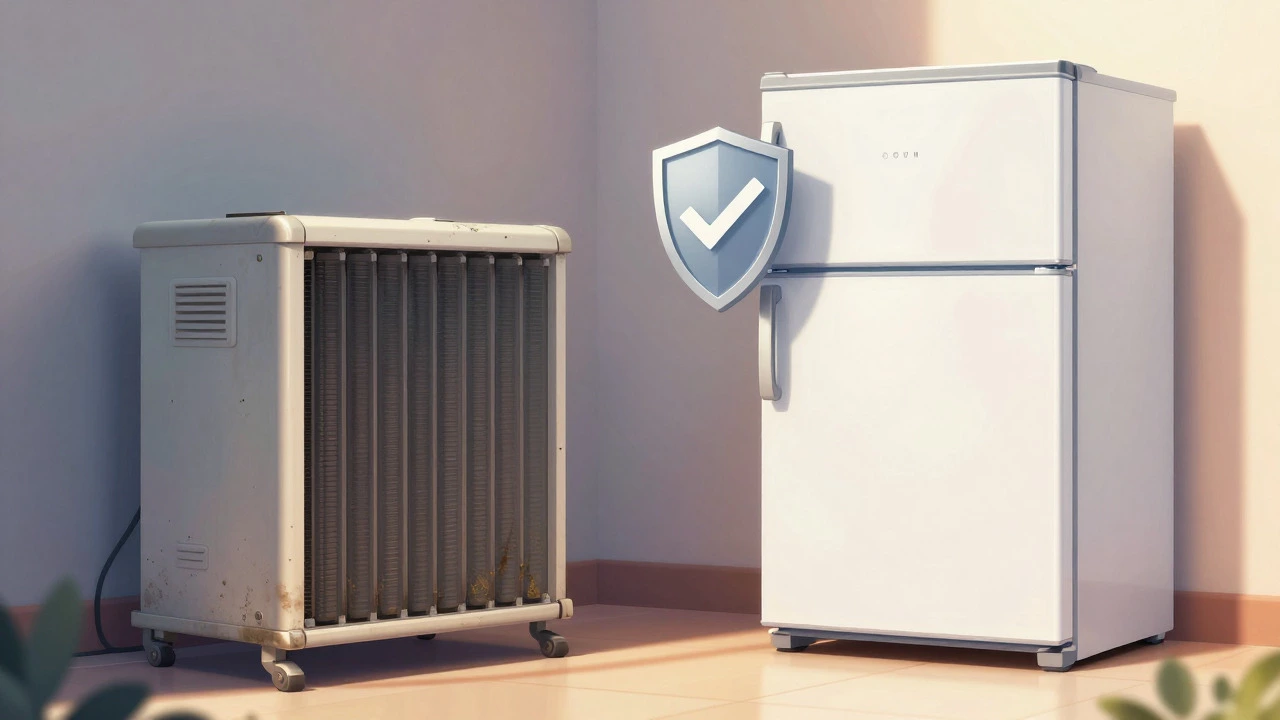
Many people only call an appliance specialist when something breaks. However, a key part of the role is offering preventative advice. Regular maintenance can extend the life of your appliances significantly. For instance, cleaning the condenser on a fridge every six months can improve energy efficiency by up to 15%.
Specialists often recommend annual checks for boilers and gas hobs. These checks catch minor issues before they become major failures. Think of it like servicing a car. You don’t wait for the engine to explode; you change the oil regularly. Applying this logic to your home appliances saves money and reduces stress.
How to Choose the Right Specialist
Not all technicians are created equal. With so many options available, especially online, choosing the right one can be tricky. Look for reviews that mention specific problems solved, not just generic praise. Check if they offer a warranty on both parts and labor. A two-year warranty suggests confidence in their work.
Avoid companies that give vague quotes over the phone. A true specialist will insist on seeing the appliance to provide an accurate estimate. Be wary of extremely low prices, as they may indicate unqualified workers or cheap, non-durable parts. Investing in a certified specialist pays off in reliability and peace of mind.
Is an appliance specialist different from a general handyman?
Yes, significantly. A handyman might handle minor fixes like tightening a hinge or replacing a door seal. An appliance specialist has formal training in electronics, gas safety, and mechanical systems. They carry specialized diagnostic tools and are certified to work on complex machinery, ensuring repairs are safe and compliant with UK regulations.
Do I need a Gas Safe registered engineer for my oven?
If your oven runs on gas, yes. By law in the UK, any work involving gas appliances must be carried out by a Gas Safe registered engineer. Working on a gas appliance without this certification is illegal and can invalidate your home insurance. Electric ovens do not require Gas Safe registration but should still be repaired by qualified electricians.
How much does an appliance specialist charge?
Costs vary based on the appliance type and repair complexity. Typically, you will pay a call-out fee plus hourly labor rates and parts costs. In Bristol, average call-out fees range from £40 to £60. Simple repairs like replacing a filter might cost under £100, while major component replacements like a compressor can exceed £300. Always request a detailed quote before work begins.
Can an appliance specialist fix smart appliances?
Yes, modern appliance specialists are trained to handle smart technology. They can diagnose software glitches, reset network connections, and update firmware. However, some brand-specific smart features may require manufacturer-authorized technicians. Always check if the specialist has experience with your specific brand’s smart ecosystem.
Should I repair or replace my old appliance?
A good rule of thumb is the 50% rule. If the repair cost is more than 50% of the price of a new, energy-efficient model, replacement is usually better. Additionally, consider the age of the appliance. If it is over 10 years old, parts may be hard to find, and energy efficiency will be lower. Your specialist can advise based on the specific condition and model.