

If your fridge is warm or the washing machine won’t spin, the first thing you need is a clear diagnosis. Knowing what’s wrong saves you a call to a pro and cuts repair costs. Below are straightforward steps you can use on most home appliances, plus a few handy tips for the most common culprits.
Start with the easy stuff. Unplug the appliance, wait a minute, then plug it back in. This resets the electronics and clears minor glitches. Next, look for error codes on the display – they’re usually explained in the user manual or a quick online search. If there’s no code, check the power source: is the plug firm? Is the breaker tripped? A loose connection often mimics a faulty part.
Now listen and look. Strange noises, leaks, or unusual smells point to specific issues. A humming fridge that doesn’t cool likely means a condenser problem, while a squealing dryer hints at a worn belt. Write down what you observe before you start opening panels – it helps you stay organized and tells a technician exactly what you’ve seen.
Washing Machines: If the drum won’t turn, first check the lid switch – many models won’t run with a faulty latch. Next, examine the water inlet valves; clogs or a broken solenoid prevent filling. For leaks, inspect the hoses and pump seal. A quick test is to run a short cycle with the machine empty and watch for any irregularities.
Electric Ovens and Hobs: A cold oven usually means a blown thermal fuse or a bad heating element. Remove the back panel and look for a broken wire or a burnt coil. Use a multimeter to test continuity – a zero reading means the part needs replacing. For hobs, check each burner’s connection; a loose terminal can cause one or two zones to stop heating.
Heat Pumps: When a heat pump isn’t blowing warm air, the filter might be clogged, restricting airflow. Clean or replace the filter, then clear any debris from the outside unit. If the system still runs cold, the refrigerant level could be low – that’s a job for a qualified technician.
Water Heaters: Cold showers often stem from a broken thermostat or a sediment‑filled tank. Drain a few gallons of water to clear the sludge, then test the thermostat with a multimeter. If the heater keeps resetting, the pressure‑relief valve may be faulty and should be inspected.
Extractor Fans: A fan that hums but doesn’t move air usually has a motor that’s seized. Turn off power, remove the fan cover, and manually spin the blades; resistance means the motor needs replacement. Also check the vent duct for blockages – a simple brush can clear years of dust.
These checks cover the majority of DIY diagnostics. If you hit a dead end, note down what you’ve tested and call a professional with the details. The more information you give, the quicker they can pinpoint the fix.
Remember, safety comes first. Always cut power before opening any appliance, and use the right tools. A basic screwdriver set, a multimeter, and a bucket for water are all you need for most diagnostics. With these simple steps, you’ll catch many problems early and keep your home appliances running smoothly.
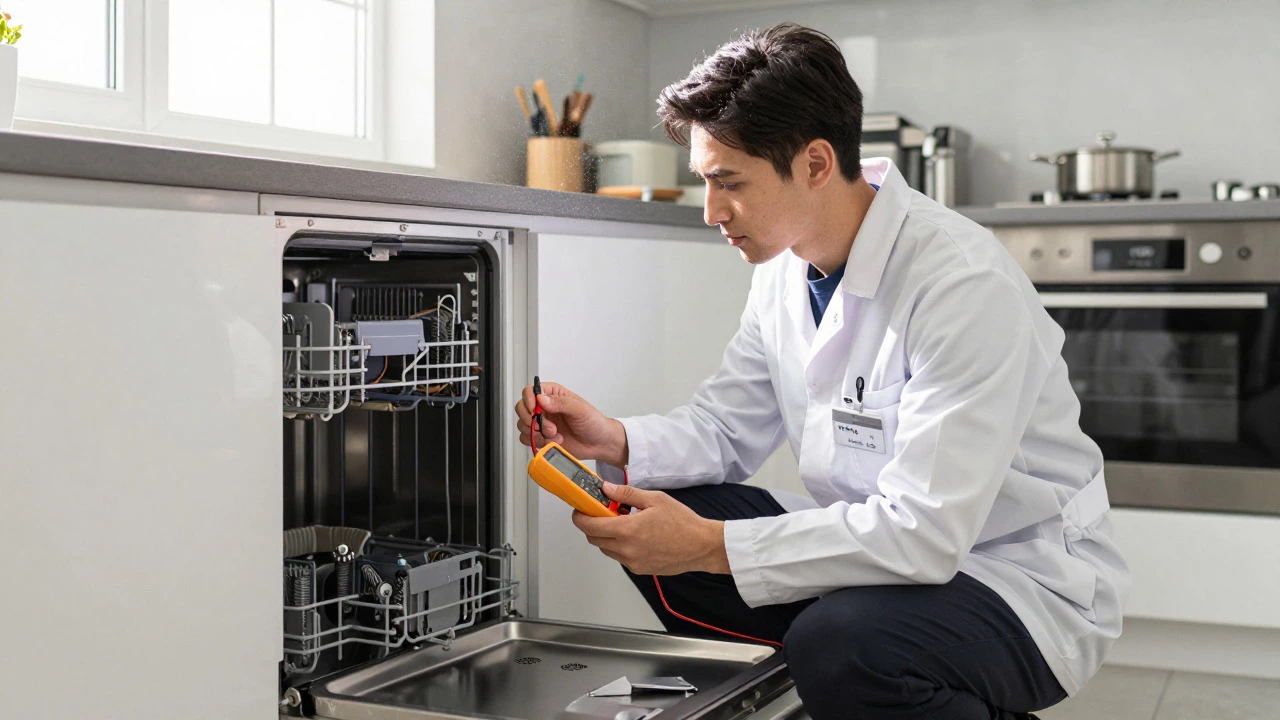
Discover what an appliance specialist really does. From complex diagnostics to safety compliance, learn why hiring a certified expert protects your home and wallet.

A practical guide for diagnosing common refrigerator problems, spotting signs of faults, and fixing them at home with tips and real-world facts.
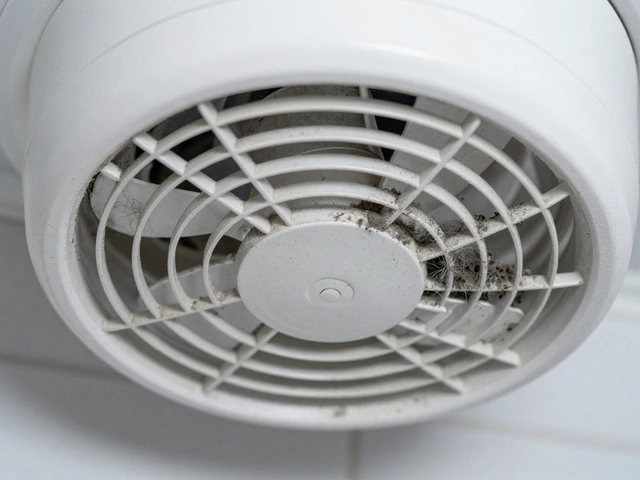
Learn how to properly service your bathroom extractor fan with this easy step-by-step guide. Discover cleaning tips, troubleshooting tricks, and when to call a pro.
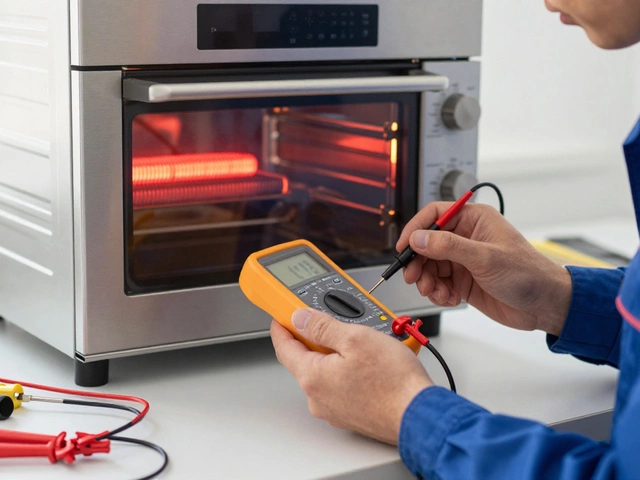
Learn the real cost to fix a broken oven, from common repairs like heating elements and thermostats to when it's better to replace. Get pricing, tips, and expert advice for 2026.

Replacing the anode rod in a water heater can extend its lifespan and prevent costly repairs. This article breaks down the cost of replacement, including materials and labor, and discusses why it's a crucial part of water heater maintenance. Discover how often anode rods should be checked and what signs indicate it's time for a replacement. Whether you DIY or hire a pro, understanding these factors can save you money and stress.
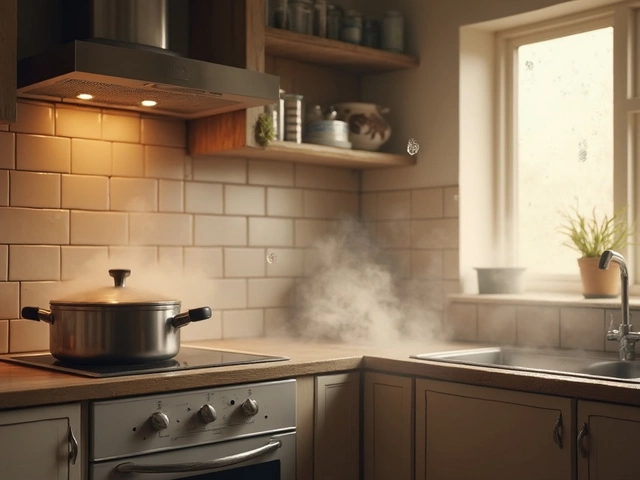
Not using an extractor fan can lead to unexpected issues in your kitchen or bathroom. From accumulating moisture and odors to potential damage over time, extractor fans play a crucial role in home maintenance. This article explores why these devices are essential, the problems that arise from neglecting them, and practical tips on proper care and repair.
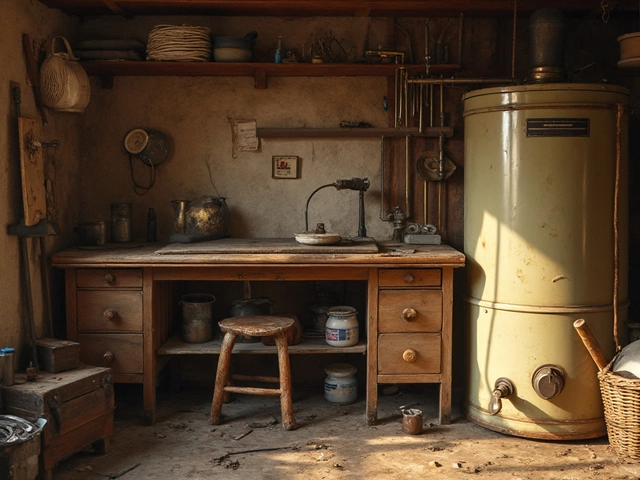
Wondering how long your water heater should last? This article dives into the expected lifespan of various types of water heaters, factors impacting their longevity, and signs it might be time for a replacement. With practical tips on maintenance, you can extend the life of your heater and avoid breakdowns. Learn what to watch out for to ensure you have hot water when you need it, without unexpected surprises.