Oven Repair vs. Replacement Cost Calculator
Your Situation
Recommendation
Enter your details and click calculate to see if it's worth repairing.
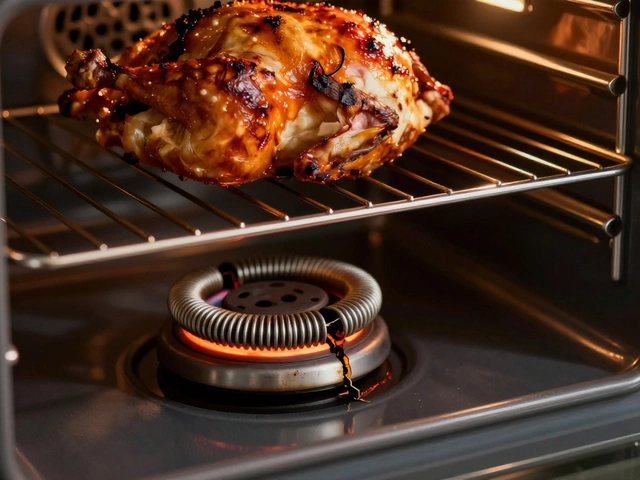
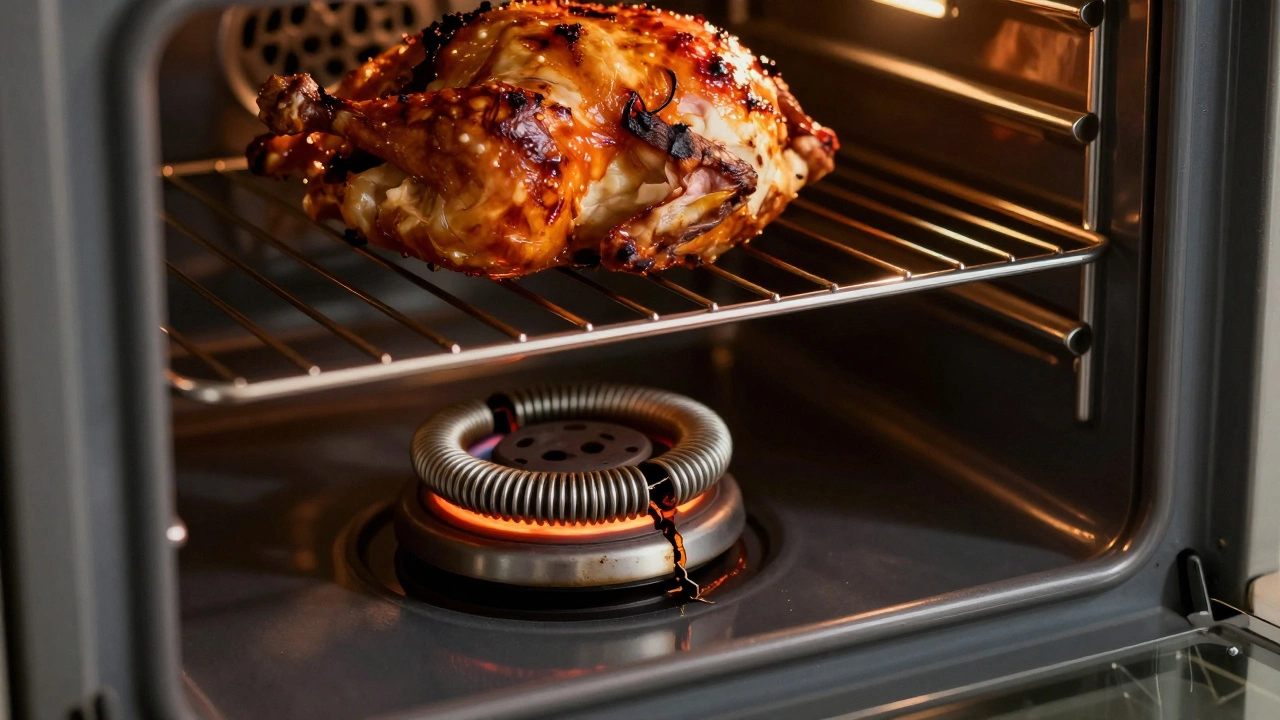
There is nothing quite as frustrating as pulling a roast out of the oven only to find it raw in the middle while the edges are burnt. Or worse, opening the door to find absolutely no heat at all. When your electric oven stops cooking properly, the first suspect is almost always the heating elementthe metal coil responsible for generating heat inside the oven cavity. The big question on every homeowner's mind is: Is it actually worth fixing this part, or should you just bite the bullet and buy a new oven?
The short answer is yes, in most cases, replacing the element is worth it. A new element costs a fraction of a new appliance, and if the rest of your oven is in good shape, swapping that one part can give you years of reliable service. However, there are exceptions. If your oven is ancient, has other failing components, or is an inefficient model from the early 2000s, a repair might just be throwing good money after bad.
How Much Does It Cost to Replace an Oven Element?
Let’s talk numbers because that is usually the deciding factor. In the UK, the cost breaks down into two main buckets: the part itself and the labour.
A genuine replacement heating element for a standard electric oven typically costs between £15 and £40 depending on the brand (Bosch, Siemens, Whirlpool, etc.) and whether it is the top grill element or the bottom bake element. Universal elements are cheaper but fit fewer models.
If you call a professional engineer, expect to pay between £80 and £120 for labour. This includes their time, travel, and the warranty on the work. So, a professional repair will set you back roughly £100 to £160 total.
Compare that to a new mid-range electric oven, which starts around £300 and easily climbs to £600 or more for built-in models with smart features. Even a basic freestanding oven will cost you £250+. The math is clear: repairing the element saves you significant cash upfront.
| Item | Estimated Cost (GBP) | Lifespan Expectation |
|---|---|---|
| DIY Element Replacement | £20 - £50 | 5-10 years (if installed correctly) |
| Professional Repair | £100 - £160 | 5-10 years (plus labour warranty) |
| New Budget Oven | £250 - £400 | 10-15 years |
| New Premium Built-In Oven | £600 - £1,200+ | 10-15 years |
Signs Your Heating Element Has Failed
Before you spend any money, you need to be sure the element is actually the problem. Sometimes, a faulty thermostat or control board mimics element failure. Here is how to tell if your bake elementthe primary heating coil located at the bottom of the oven or grill elementthe heating coil located at the top of the oven used for browning is dead.
- No Heat At All: You turn the oven on, the fan might spin, but the air stays cold. If the element doesn’t glow red when it should be heating, it’s likely broken.
- Inconsistent Cooking: Food burns on one side and stays raw on the other. This suggests the element has a break in the coil, causing uneven heat distribution.
- Visible Damage: Look for blisters, holes, or cracks in the metal coil. While some glowing patterns are normal, physical breaks mean immediate replacement.
- Error Codes: Modern ovens often display codes like "E07" or "F9" which specifically point to heating circuit failures.
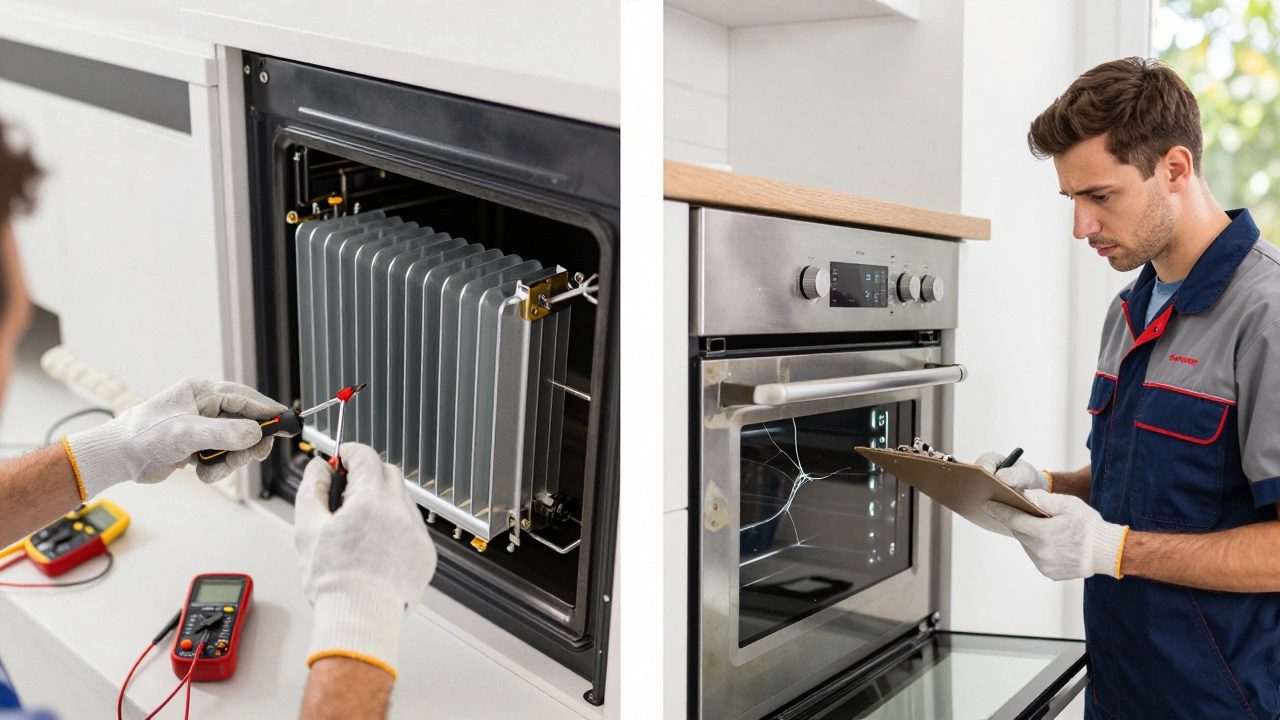
If you see these signs, grab a multimeter. Set it to continuity mode and touch the probes to the terminals of the element. If there is no reading (infinite resistance), the element is open-circuit and needs replacing. If you get a reading, the element might be fine, and the issue could be the wiring or the control board.
When Is It NOT Worth Replacing the Element?
Even though the repair is cheap, there are scenarios where buying a new oven makes more sense. Consider skipping the repair if:
- Your Oven Is Over 15 Years Old: Older appliances are less energy-efficient. A modern A-rated oven uses significantly less electricity than a C or D-rated model from 2010. Over five years, the savings on your energy bill might offset the cost of a new unit.
- Multiple Components Are Failing: If the door seal is leaking heat, the thermostat is drifting, and now the element is dead, you are looking at a cascade of failures. Fixing one part won’t solve the underlying age-related degradation.
- You Hate Your Current Model: Maybe your oven takes forever to preheat, or the interior is too small. Use this breakdown as an excuse to upgrade to something that fits your lifestyle better.
- The Cost of Parts Is Prohibitive: Some high-end brands like Miele or Gaggenau have expensive proprietary parts. If the element alone costs £150+, do the math again.
DIY vs. Professional Repair: Which Should You Choose?
This is where personal comfort with tools comes into play. Replacing an oven element is one of the easier appliance repairs, but it involves working with electricity and potentially removing heavy panels.
Do it yourself if: You are comfortable using a screwdriver, you can safely disconnect power at the consumer unit (fuse box), and you have watched a tutorial specific to your model. The process usually involves unscrewing the old element, unplugging the wires, and bolting in the new one. It takes about 30 minutes.
Hire a pro if: You are unsure about electrical safety, your oven is built-in and difficult to access, or you want a warranty on the labour. In Bristol and much of the UK, hiring a Gas Safe registered engineer (even for electric appliances) ensures they follow strict safety protocols. They also carry the right parts, so you don’t end up with a mismatched element sitting in your kitchen.
Extending the Life of Your New Element
Once you have replaced the element-whether DIY or by a pro-you want it to last. Most elements fail due to thermal shock or physical damage. Here is how to protect your investment:
- Avoid Thermal Shock: Never pour cold water onto a hot element. This rapid temperature change can crack the internal resistance wire.
- Don't Bend the Coil: When sliding racks in and out, ensure they don’t snag on the element. Bending the coil weakens its structure and leads to breakage.
- Clean Gently: Avoid abrasive scouring pads on the element. Let self-cleaning cycles handle the heavy grime, or wipe spills gently once the oven is cool.
- Check the Door Seal: A leaky door forces the element to work harder to maintain temperature, leading to premature burnout.

Environmental Impact: Repair vs. Replace
We often overlook the environmental cost of throwing away appliances. An electric oven contains steel, glass, copper wiring, and electronic components. Sending it to a landfill contributes to e-waste and requires new resources to manufacture a replacement.
Repairing your oven is the greener choice. By replacing just the element, you keep the bulk of the appliance in use. According to Waste and Resources Action Programme (WRAP), extending the life of household goods by nine months can cut carbon, waste, and water footprints by between 5% and 10%. If your oven is otherwise functional, repairing it is not just economical; it is environmentally responsible.
Final Verdict
So, is it worth replacing the heating element? For the vast majority of homeowners, the answer is a resounding yes. With a repair cost under £150 and a potential lifespan extension of five to ten years, it is hard to justify spending £500+ on a new oven unless your current one is truly at the end of its road.
If your oven is relatively young (under 10 years), efficient, and only suffering from element failure, fix it. If you are handy, you can do it yourself for the price of a nice dinner. If you prefer peace of mind, a local engineer will sort it out quickly. Save your money, reduce waste, and get back to baking.
How long does an oven heating element last?
On average, an oven heating element lasts between 5 and 10 years. This depends heavily on usage frequency. Ovens used daily for roasting will wear out faster than those used occasionally for baking. Signs of aging include slower heating times and visible discoloration.
Can I replace the oven element myself?
Yes, replacing an oven element is a common DIY task. It involves turning off the power at the fuse box, removing the old element screws, disconnecting the wires, and installing the new one. However, if you are uncomfortable with electrical work or your oven is complex, hire a professional.
Why is my oven element glowing but not heating?
If the element glows red but the oven doesn't get hot, the issue might not be the element itself. It could be a faulty thermostat that cuts power too early, a broken fan in a fan-assisted oven, or a poor connection at the terminals. Check the thermostat settings next.
How much does it cost to fix an oven in the UK?
In 2026, the average cost for an oven repair visit in the UK ranges from £80 to £120 for labour, plus the cost of parts. Simple fixes like element replacements are on the lower end, while issues involving control boards or gas valves are more expensive.
Is it safe to use an oven with a damaged heating element?
No, it is not recommended. A cracked or broken element can pose a fire risk if sparks occur, or it may release harmful fumes if the internal insulation is compromised. Additionally, uneven heating can lead to undercooked food, posing health risks. Turn off the oven and arrange for repair immediately.