

When working with oven heating element, the metal coil inside an electric oven that turns electricity into heat. Also known as oven element, it directly powers the baking chamber and decides how evenly food cooks. This component is a key part of a electric oven, a kitchen appliance that generates temperature through electric resistance and works together with the oven thermostat, the sensor that monitors and regulates oven temperature. When the element, the oven or the thermostat fail, you’ll notice cold spots, uneven baking, or the oven simply won’t heat up.
One of the first signs of a bad oven heating element is a clicking noise followed by no heat. Other clues include a burnt smell, visible corrosion, or the oven taking far longer than usual to reach the set temperature. Most elements run on 240‑volt mains and are built to last 5‑10 years, but heavy daily use or power surges can shorten that lifespan. Replacement costs in the Bognor Regis area typically range from £70 to £150 for the part, plus £60‑£100 for labor. If you’re comfortable with basic electricity, you can test the element with a multimeter (checking for continuity) and swap it out in under an hour. Safety is vital – always disconnect power at the breaker before you start.
Beyond the element itself, a faulty thermostat or a broken wiring harness can mimic the same symptoms. An accurate thermostat should keep the oven within ±5 °C of the set point; if you see big swings, the sensor might need recalibration or replacement. Regular maintenance – wiping the element after each use, avoiding abrasive cleaners, and checking the connections yearly – can prevent many problems. When you combine a healthy element, a reliable thermostat, and proper upkeep, the electric oven stays efficient, saves energy, and delivers consistent results.
The articles below dive deeper into each of these topics. You’ll find step‑by‑step guides on testing continuity, advice on choosing a quality replacement, cost breakdowns for professional service, and tips for extending the life of your whole oven system. Browse the collection to get the exact fix you need, whether you’re a DIY enthusiast or prefer to call in a qualified technician.
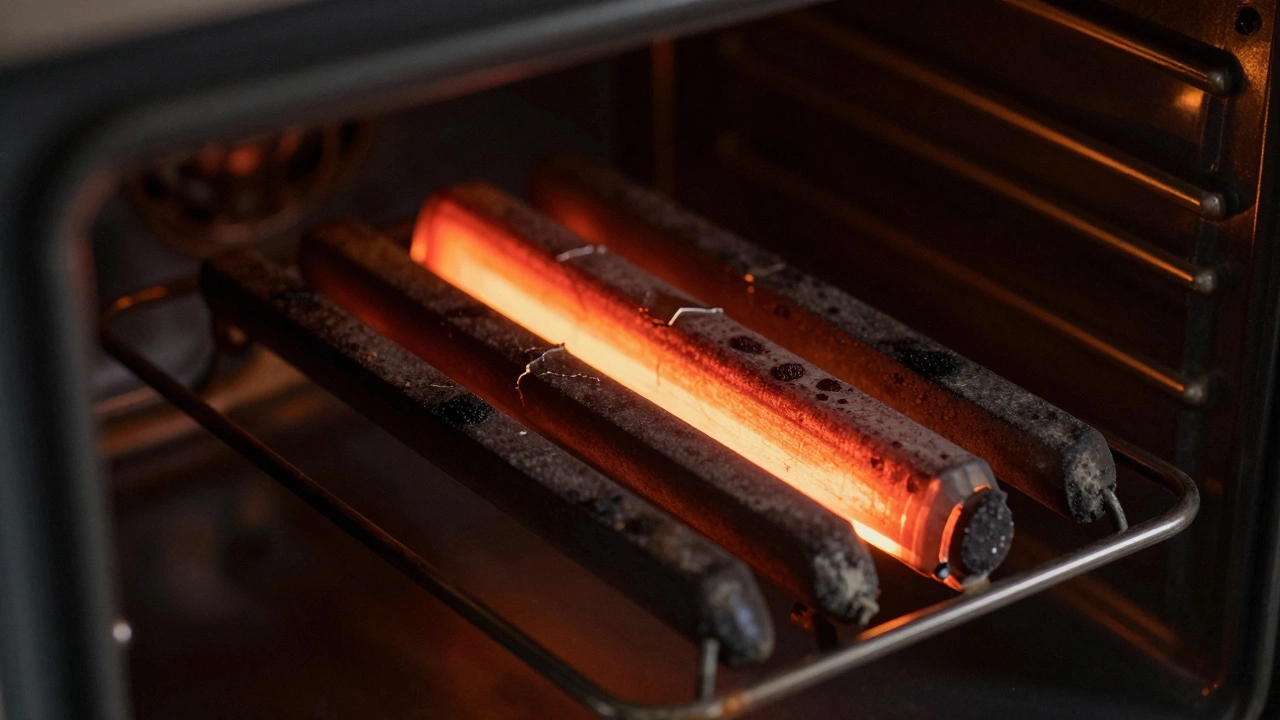
Learn how to tell if your electric oven element is bad with simple visual checks and a multimeter test. Save time and money by diagnosing the issue yourself before calling a repair technician.
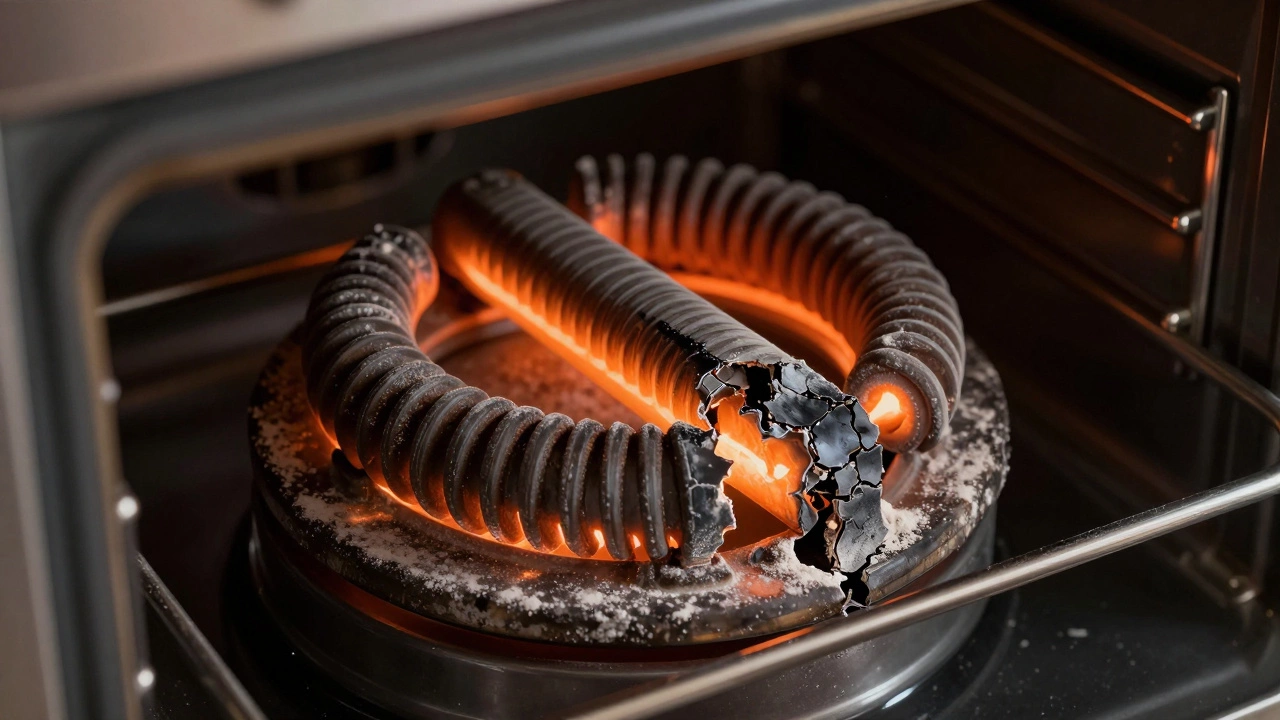
Learn how to tell if your oven element is blown by checking for visible damage, testing with a multimeter, and observing oven behavior. Most oven heating issues are simple fixes.
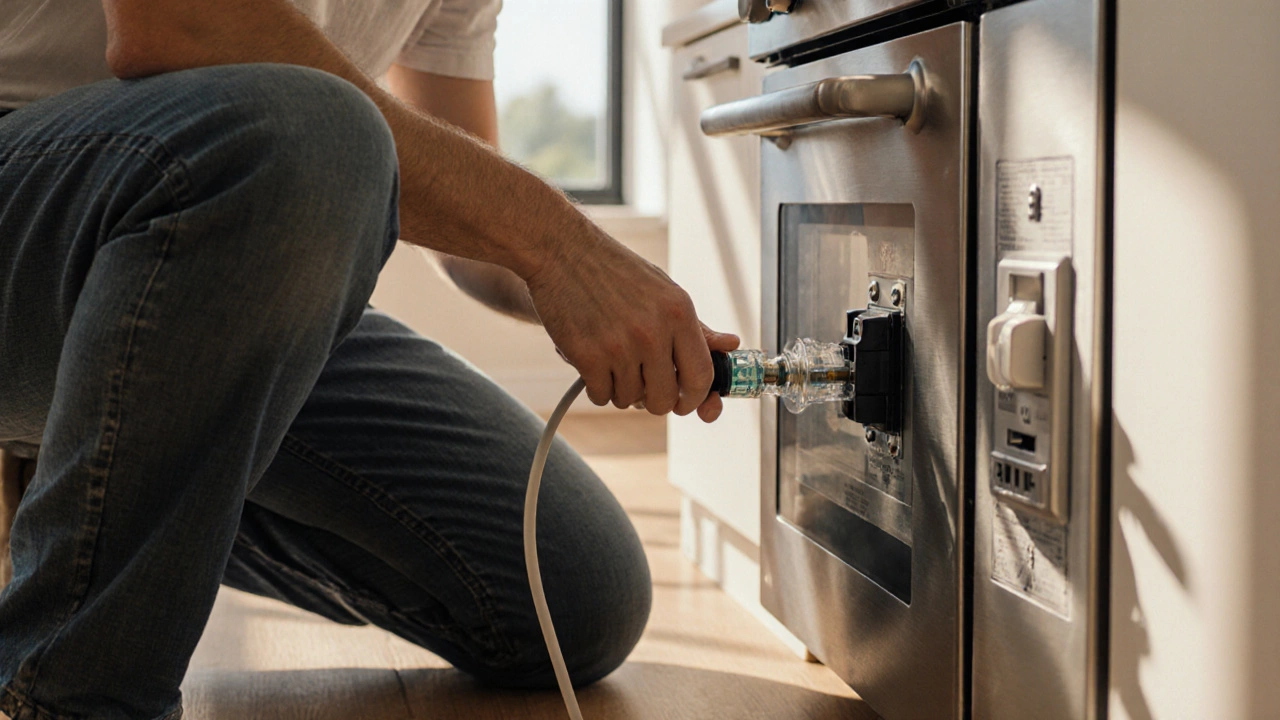
Learn why your electric oven suddenly stopped working, diagnose power, element, thermostat or safety fuse issues, and decide when to DIY or call a repair professional.
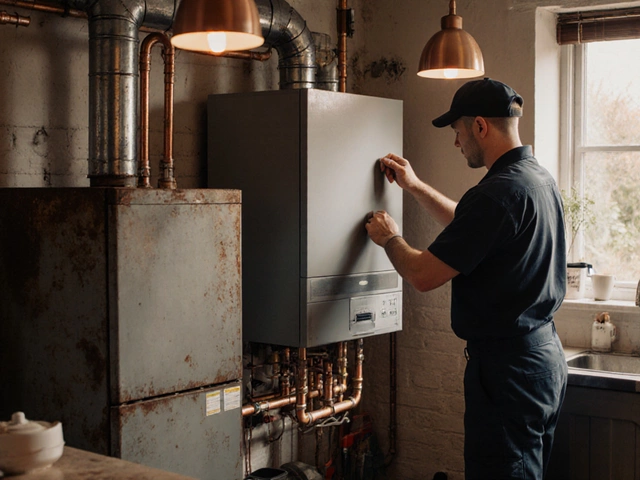
Find out how much a new boiler costs in 2025, including prices by type, installation fees, rebates, and how to avoid overpaying. Learn when to replace your boiler and what to look for in a quote.

Wondering if your 20-year-old oven can be repaired? Discover repair tips, replacement part insights, costs, and when it makes sense to swap your old oven for a new one.

Deciding whether to fix or replace your oven in 2025? Learn real repair costs, when replacement saves money, safety risks of old ovens, and how to make the smart choice without overpaying.

Discover how much boiler service costs in 2025, what affects the price, what's included, and tips to save money while keeping your heating safe and reliable.

Repairing a glass hob is an essential task for maintaining a functional and modern kitchen. The cost of fixing a glass hob can vary greatly depending on the damage's severity and the required repair type. This article delves into the various factors influencing repair costs, from crack treatment to replacement solutions. It also provides tips for maintenance to prolong the lifespan of your hob and prevent future damage.