

Ever walked into the kitchen and smelled something burning? Most oven fires start from things you can control. A clean oven, the right cookware, and a quick glance before you turn the heat on can stop a disaster in its tracks.
Food spills are the number one cause of oven fires. After each use, let the oven cool and wipe away crumbs, grease, and any sauce splatters. If you see a buildup on the bottom tray or walls, soak a cloth in warm, soapy water and scrub it out. A clean surface means less fuel for a fire.
Metal pans with loose handles or plastic dishes that aren’t oven‑safe can melt or spark. Always check the label to make sure a dish can handle the temperature you plan to use. Avoid covering the oven floor with foil unless the manufacturer says it’s OK – foil can reflect heat and cause hot spots that ignite food.
Don’t leave anything—potato skins, paper towels, or even a forgotten pizza box—inside the oven while it’s on. Those items can catch fire in minutes.
Most home ovens are designed to run up to 260 °C (500 °F). If a recipe calls for higher, consider using a grill or broiler instead. Also, never set the oven to “high” if you’re unsure what the temperature actually is; use the built‑in thermostat or a reliable oven thermometer.
If your oven isn’t heating correctly—like an electric oven that won’t warm up—don’t keep guessing. A faulty heating element can overheat and spark. Call a professional to check the element before you keep using it.
It’s tempting to step out for a quick call, but leaving an oven unattended is a recipe for trouble. If you need to be away for more than a few minutes, lower the temperature or turn the oven off and finish later.
Even if you use a timer, remember that timers don’t stop a fire. If you hear crackling or see smoke, turn the oven off immediately and open a window.
If a fire starts, stay calm. Close the oven door quickly—this cuts the oxygen supply and often puts the fire out. Never use water on a grease fire; it can spread the flames. Keep a small fire extinguisher (Class B) nearby and know how to use it. If the fire won’t die down, evacuate and call the fire brigade.
Regularly check your home’s smoke alarms and replace batteries annually. A working alarm can give you the few precious seconds you need.
Even with careful use, parts wear out. Have a qualified technician inspect your oven every couple of years, especially the heating element and wiring. A simple check can spot loose connections that might spark later.
Remember, a safe oven means a safe kitchen. By keeping it clean, using proper cookware, watching the heat, and staying alert, you dramatically lower the chance of a fire. Apply these habits every time you cook, and you’ll enjoy tasty meals without the worry of a fire breaking out.
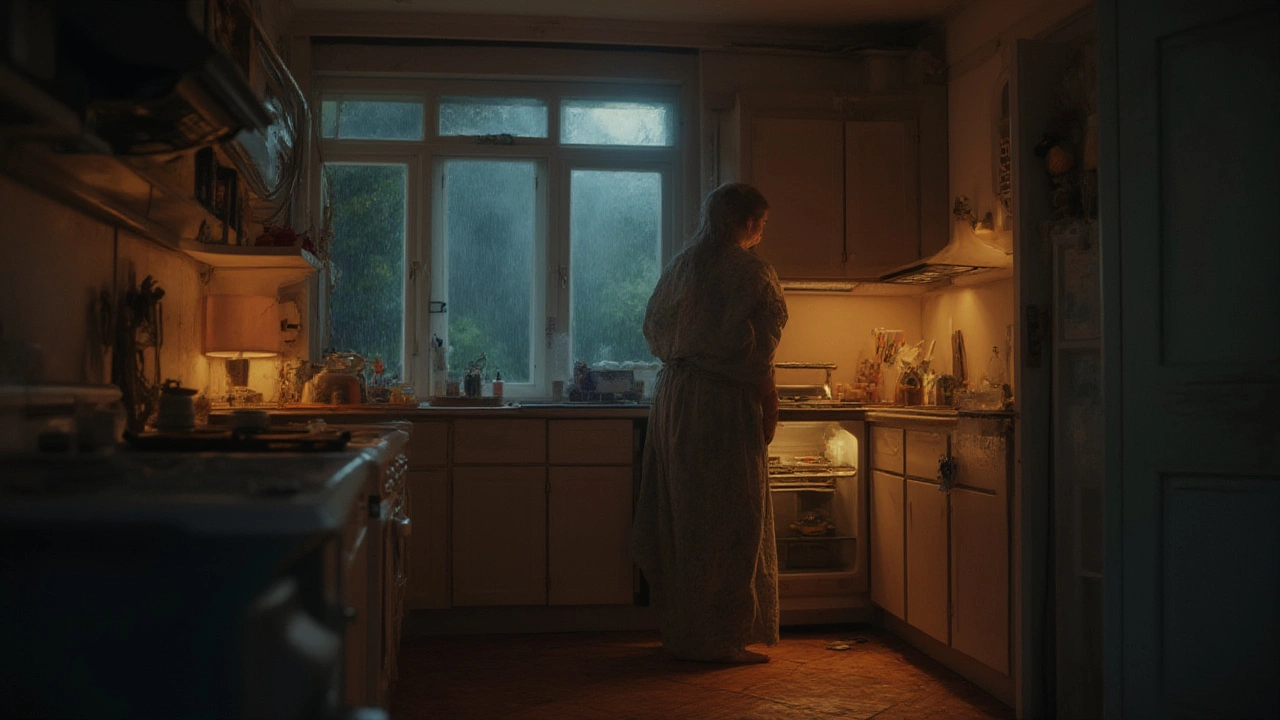
Leaving an electric oven on overnight sounds harmless, but it could spell real trouble. Learn the risks, facts, and safer options for your late-night cooking needs.

Is your 10 year old dryer gasping for air, and you’re wondering if it’s time to fix or toss it? This article breaks down how long dryers usually last, what typical repair costs look like, and when it just makes more sense to get a new one. You’ll find smart tips to figure out if fixing an older dryer is throwing good money after bad or saving yourself from an expensive upgrade. Get real-life advice that skips the fluff and gets to the point.

When facing a broken boiler, many homeowners find themselves debating the merits of repairing versus replacing. Considering factors like costs, age of the boiler, frequency of issues, and energy efficiency can help make an informed decision. Exploring repair benefits as a cost-saving solution might be worthwhile for some, while others may find replacement offers better long-term advantages. Understanding your system's specific needs ensures optimal performance during the colder months.

Deciding whether to repair or replace a refrigerator can be a puzzling task for most homeowners. Factors like the age of the fridge, the cost of repairs, and energy efficiency play crucial roles in this decision. Getting a new fridge might seem attractive with the latest features, but sometimes repairing your old one is the better choice. Before making a move, it’s essential to weigh the pros and cons to make an informed choice.
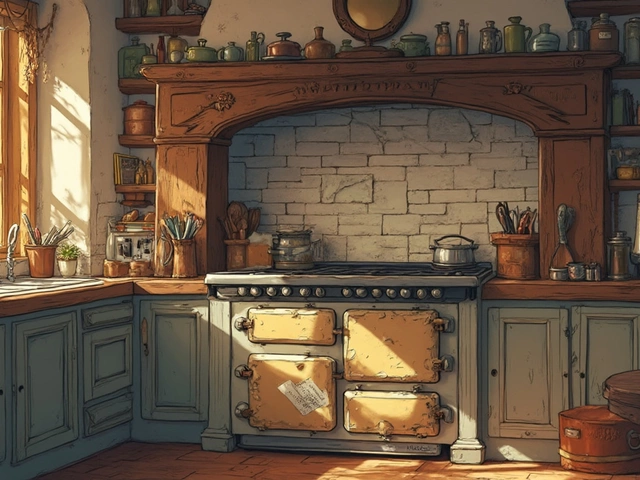
Figuring out whether to repair or replace a 10-year-old range can save money and hassle. This article explores cost considerations, common issues, and when to opt for repair versus replacement. Additionally, discover maintenance tips to extend your range’s life. Make informed decisions with a detailed look into repair pros and cons. Navigate the world of kitchen appliances with confidence.
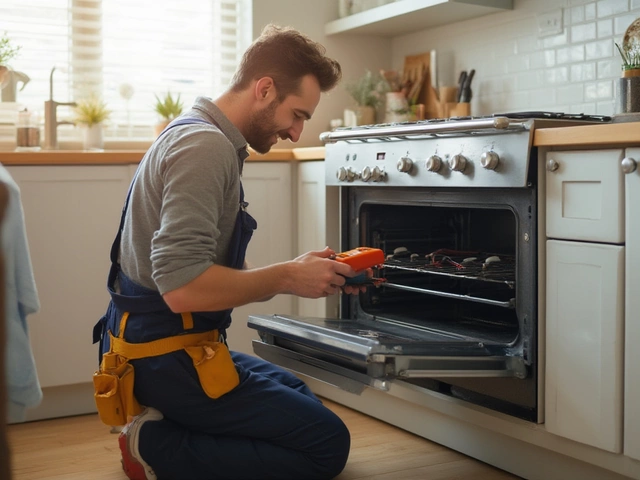
Wondering if an electrician can fix your electric oven? Get the facts, tips, and expert advice you need on diagnosing and repairing broken ovens.