

When your oven, a key appliance used for baking, roasting, and broiling food in UK homes suddenly stops heating, it’s not just inconvenient—it throws off your whole week. Whether you’re trying to roast a chicken or bake cookies, if there’s no heat, you’re stuck. This isn’t always a sign you need a new oven. Often, it’s a simple fix. The problem usually lies in one of three places: the heating element, the metal coil inside the oven that glows red when powered and generates heat, the thermostat, the control that senses and regulates oven temperature, or a blown safety fuse, a small but critical component that cuts power if the oven overheats.
Most people assume a broken oven means expensive replacement, but that’s not true. A faulty heating element can cost under £50 to replace and often takes less than an hour. The thermostat might be misreading the temperature, making the oven think it’s already hot when it’s not. And if the safety fuse has blown, it’s usually because something else went wrong first—like a short in the wiring or a failing element. You can test the heating element yourself with a multimeter if you’re comfortable. If it’s not conducting electricity, it’s dead. No glow, no heat. Same goes for the thermostat—if it’s not sending the right signal, the oven won’t turn on the element. These aren’t guesswork fixes. They’re common, documented issues that repair technicians see every week in Bognor Regis and across the UK.
Don’t confuse this with a gas oven issue—those have different problems, like a faulty igniter or gas valve. But if you’ve got an electric oven and zero heat, start with the basics: check the power supply, inspect the element for visible damage, and listen for clicks when you turn it on. If the fan runs but nothing heats up, that’s a classic sign of a failed element or thermostat. And if you’ve tried resetting the oven and it still won’t heat, you’re not alone. Over 40% of oven repair calls in this area are for this exact issue. The good news? Most of these problems can be fixed fast, without replacing the whole unit. Below, you’ll find real-world guides from local technicians who’ve seen it all—from cracked elements to faulty control boards. No fluff. Just what actually works.
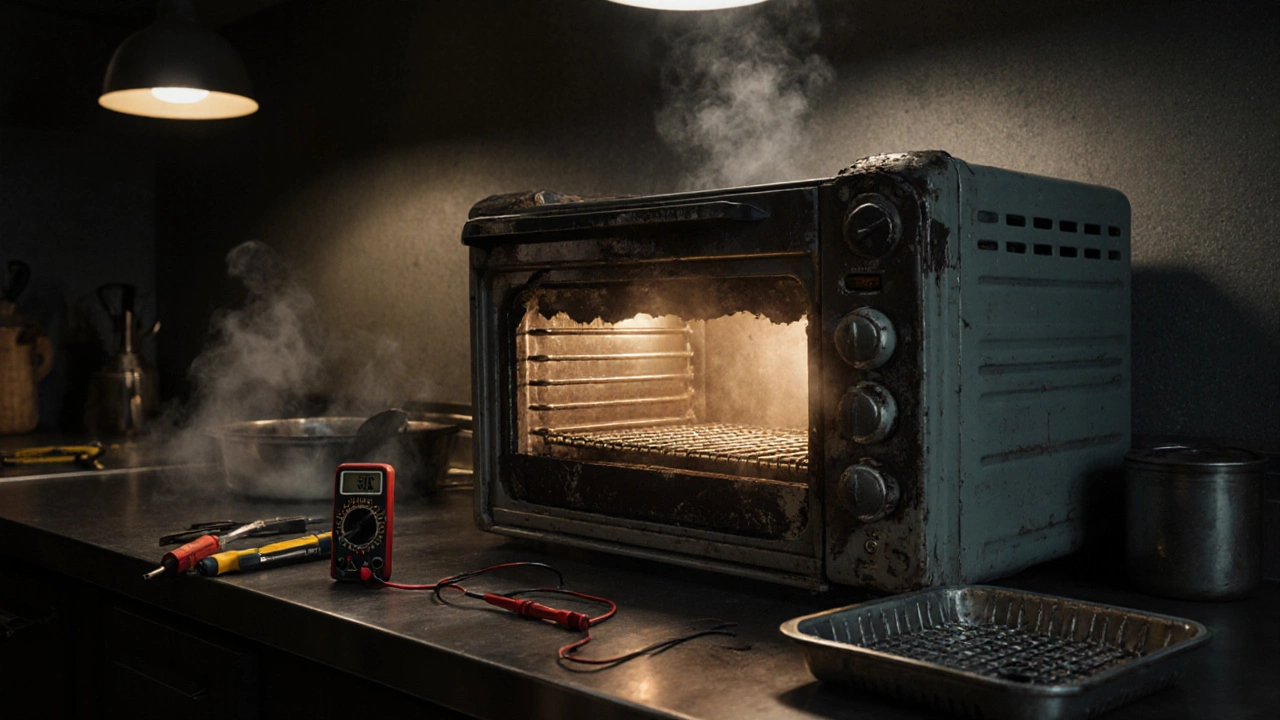
If your electric oven isn't heating, it's usually due to a broken element, faulty thermostat, or blown thermal fuse. Learn how to diagnose and fix the most common causes quickly and safely.
The average refrigerator lasts 13-17 years, but lifespan depends on maintenance, usage, and environment. Learn the signs it's failing, when to repair vs. replace, and how to make yours last longer.

Find out why your hot water vanished, walk through quick DIY checks, learn simple fixes, and know when to call a professional for reliable heat restoration.

When facing a broken boiler, many homeowners find themselves debating the merits of repairing versus replacing. Considering factors like costs, age of the boiler, frequency of issues, and energy efficiency can help make an informed decision. Exploring repair benefits as a cost-saving solution might be worthwhile for some, while others may find replacement offers better long-term advantages. Understanding your system's specific needs ensures optimal performance during the colder months.
A failing water heater element can leave you in the chilly lurch just when you need a warm shower. Learn how to diagnose the problem with simple, straightforward steps. This guide covers common symptoms, testing methods, and practical tips for handling a faulty element. We'll explain what's involved and offer insights for DIY repair or knowing when to call a professional.

Struggling with a kitchen extractor fan that's lost its power? This guide explains how to find and fix common blockages that cause bad smells and poor airflow. Learn step-by-step how to safely clean your fan and make it work like new, plus get handy maintenance tips to stop future clogs. We break down the process so you don't need tools or special skills. Get your kitchen back to normal without calling in an expert.