

Ever wonder why your neighbour’s microwave died after just a few years while yours still hums along? The truth is, a microwave’s life isn’t set in stone – it depends on how you use it, the brand, and a bit of luck. In this guide you’ll learn the typical lifespan of a microwave, the main culprits that shorten it, and easy habits that can add years to its service.
Most modern microwaves are built to survive 7‑10 years of regular use. Cheaper models may start showing problems after five years, while high‑end units can push past a decade. The biggest factors are:
When any of these issues pile up, you’ll notice the microwave taking longer to heat, strange noises, or the light flickering. Those are warning signs that the magnetron or wiring is on its way out.
Good news: you don’t need a mechanic to keep your microwave healthy. Follow these simple steps and you’ll probably squeeze a few extra years out of it.
If you notice a decline in performance despite these habits, it’s time to get a professional check. Sometimes a simple part swap – like a new turntable motor or a fresh door latch – can bring an aging microwave back to life.
Bottom line: a well‑maintained microwave can easily hit the ten‑year mark. Treat it like any other kitchen helper – clean it, protect it from power surges, and don’t push it beyond its limits – and it’ll keep heating your leftovers without a fuss.

When it comes to microwaves, understanding their lifespan is crucial for homeowners looking to make informed decisions about maintenance and replacement. This article delves into the essential factors that affect the longevity of microwaves, offering practical tips on extending their lifespan and recognizing when it's time for a new one. You'll learn about common signs of wear and tear, the importance of proper usage, and how regular servicing can enhance performance. Discover how to keep your microwave running efficiently and what to do when repairs are inevitable.

Cookers are an essential part of any kitchen, and knowing their average lifespan can help in planning for replacements and repairs. On average, cookers last between 10 to 15 years depending on several factors like usage, maintenance, and brand quality. Regular maintenance and timely repairs can extend the life of your cooker significantly. Understanding the warning signs of wear and tear and knowing when to repair or replace can save both time and money. This article will dive into expert tips to maximize the life of your cooker.
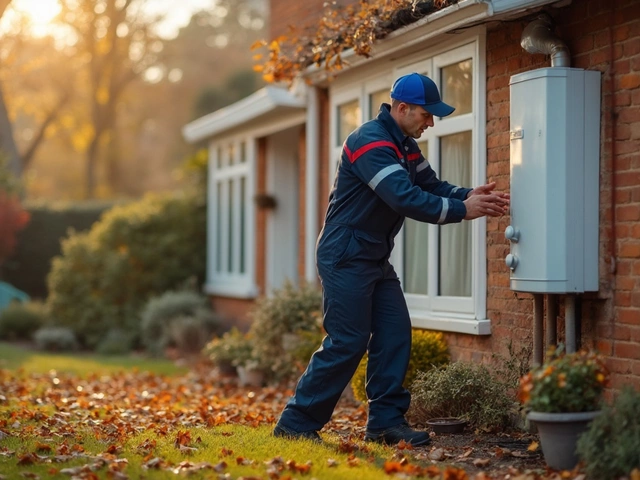
Replacing a boiler can seem like a daunting task, but knowing what to expect can make the process easier. Typically, boiler replacement involves several steps including removing the old unit, choosing the right size and type for your home, and ensuring proper installation. Skilled professionals often make the experience smoother by handling the technical aspects and minimizing disruption. Preparation and understanding of the process can help homeowners tackle this job with confidence.

When your water heater only puts out cold water, it’s more than just annoying—it can point to real problems inside the unit. This article breaks down the most common reasons behind a water heater that refuses to warm up, from tripped breakers to busted heating elements. You’ll find tips on quick checks you can do at home before calling a pro, plus some unexpected facts about how water heaters really work. Knowing what’s wrong can save you from a frigid morning shower and a giant repair bill. Get ready to tackle that cold water problem with practical advice you can use right away.
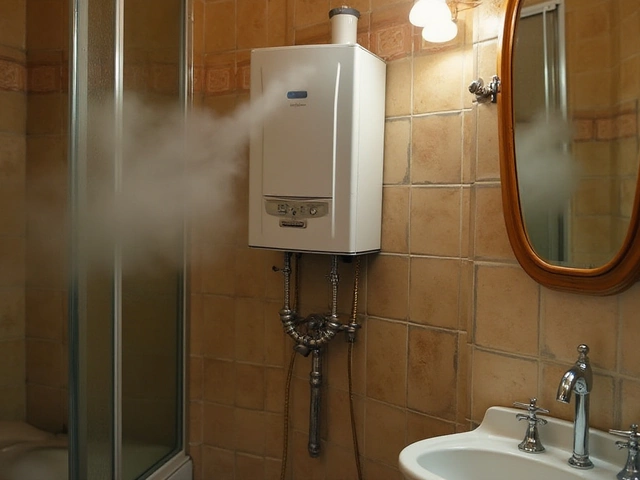
When your hot water heater isn't supplying the steamy showers you're used to, it might be due to a faulty heating element. This article dives into common indicators of a malfunctioning water heater element, such as unusual noises, inconsistent water temperatures, and an unexpected spike in your energy bills. You'll learn how to diagnose potential issues and gather insights on troubleshooting these problems. While some fixes might require professional expertise, understanding the basics can help you pinpoint the root of the problem and decide the best course of action. Get ready to reclaim your warm water comfort!

Deciding whether to fix or replace your oven in 2025? Learn real repair costs, when replacement saves money, safety risks of old ovens, and how to make the smart choice without overpaying.