

When you rent out a property in the UK, your landlord boiler responsibility, the legal duty to ensure gas heating systems are safe and working for tenants. It's not optional—it's required by law under the Gas Safety (Installation and Use) Regulations 1998. Also known as gas safety obligation, this duty falls squarely on you, no matter who lives in the property. If the boiler breaks, you can’t just tell your tenant to sort it out. You’re the one who must pay for repairs, arrange services, and prove you’ve done it right.
This responsibility isn’t just about fixing a broken heater. It includes getting an annual gas safety certificate, a legal document issued only by a Gas Safe registered engineer after inspecting all gas appliances, keeping records for at least two years, and giving a copy to every new tenant before they move in. Missing this step can land you with a fine of up to £5,000 per violation—or worse, criminal charges if someone gets hurt. Many landlords don’t realize that even if the boiler was working fine when the tenant moved in, you’re still on the hook for any future failure.
You also need to act fast when something goes wrong. If a tenant reports no heating or smells gas, you can’t delay. A Gas Safe engineer, a certified professional legally allowed to work on gas systems in the UK must check it within 24 hours. Waiting too long isn’t just risky—it’s illegal. And don’t assume a plumber can handle it. Only Gas Safe engineers can legally work on boilers, and your insurance might not cover you if you hire someone unqualified.
Regular boiler maintenance, scheduled checks that keep your heating system running safely and efficiently saves money in the long run. A boiler that’s serviced yearly lasts longer, uses less gas, and breaks down less often. That means fewer emergency calls, lower repair bills, and happier tenants. Most breakdowns happen because of ignored warning signs—like strange noises, uneven heating, or a pilot light that keeps going out. Catching these early is part of your duty.
It’s not just about the boiler either. If your property has gas cookers, fires, or flues, they all fall under the same rules. Every gas appliance needs checking, and every vent or chimney must be clear. You’re responsible for the whole system, not just the main heater. That’s why many landlords keep a simple checklist: annual inspection, certificate signed and handed over, repair logs kept, and emergency contact info given to tenants.
Knowing your rights and duties helps you avoid trouble. You can’t pass the cost of the annual safety check to your tenant—it’s your expense. But you can ask them to report issues early and not block vents or tamper with controls. Clear communication cuts down on emergencies and keeps everyone safe.
Below, you’ll find real-world guides on boiler repairs, what to expect when it breaks down, how much it costs to fix or replace, and how to spot trouble before it floods your property or leaves tenants in the cold. These aren’t theory pieces—they’re based on what actually happens in UK rental homes. Whether you’ve owned a property for years or just bought your first one, this collection gives you the facts you need to stay legal, save money, and keep your tenants comfortable.

Who pays for boiler maintenance? Landlords must cover it for tenants. Homeowners pay for everything. Warranties don't cover servicing. Annual checks are legally required and save lives.

Find out exactly how much it costs to fix a freezer that won't freeze in the UK. We break down repair prices for thermostats, compressors, and seals, helping you decide whether to repair or replace your appliance.
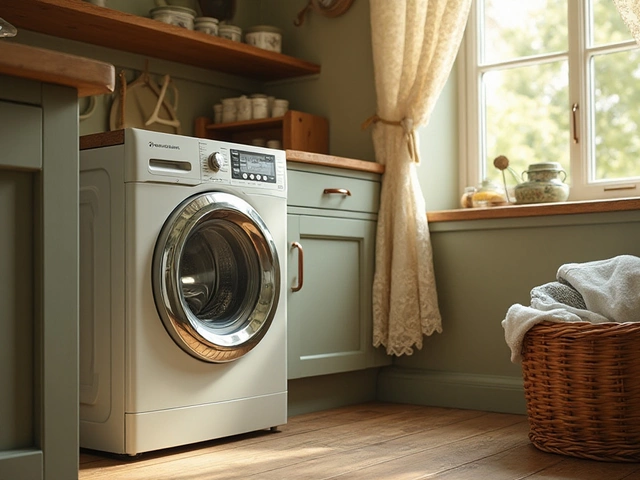
Choosing a reliable washing machine can be a daunting task given the numerous options available. This article provides insights into brands known for fewer repair issues and shares tips to maintain and extend the washer's lifespan. With technological advancements and design improvements, knowing how to select a durable washer can save time and money. Learn about the top performing washer brands based on recent studies and consumer reports. Also, discover interesting ways to keep your machine running smoothly.
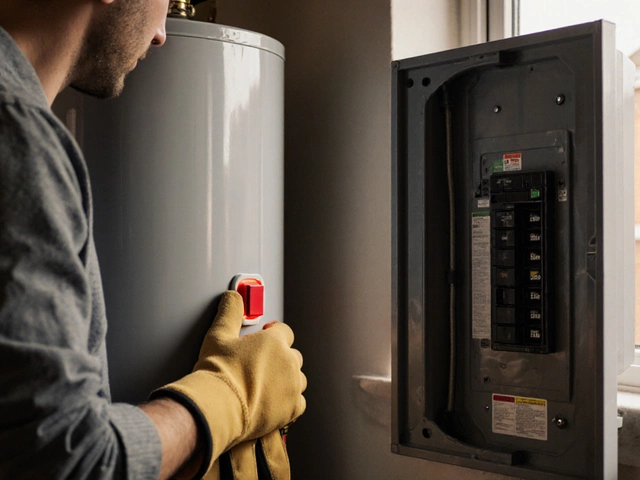
Learn when it's safe to press the water heater reset button, step‑by‑step instructions, common risks, and when to call a professional.

Discover how long extractor fans last, signs of failure, and when to repair vs replace. Expert tips for extending lifespan and maintaining kitchen/bathroom ventilation.

Navigating the decision between repairing or replacing a 10-year-old stove can be challenging. This article explores various factors including repair costs, the longevity of appliances, and energy efficiency to help homeowners make an informed decision. Additionally, it provides tips and insights on evaluating stove performance and when professional help is warranted. Readers will gain a comprehensive understanding of the practical steps they can take if they find themselves in a similar situation.