

Ever notice your kitchen fan coughing up smoke or humming louder than usual? It’s usually a sign that something’s off, but fixing it doesn’t have to mean a pricey callout. Below you’ll find practical steps to tidy up, troubleshoot, and decide when it’s time for a new fan.
First thing’s first – give the fan a good clean. Turn off the power, remove the cover, and brush away grease and dust with a soft brush or an old toothbrush. A vacuum on the low setting helps pull out hidden grime inside the motor housing.
Next, check the filter. Most kitchen extractors have a metal or charcoal filter that traps oil particles. If it looks dark or smells musty, soak it in hot, soapy water for 10‑15 minutes, rinse, and let it dry completely before reinstalling.
While you’re in there, give the fan blades a quick spin by hand. They should turn freely; any wobble or resistance means the bearing might need lubrication or replacement. A few drops of light machine oil on the shaft can smooth things out, but don’t over‑oil – excess can attract more dust.
If the fan still sounds strange after cleaning, listen for buzzes or rattles. A loose motor mounting screw is a common culprit. Tighten any visible screws, but be careful not to strip the heads.
Finally, test the fan on low and high settings. If the speed doesn’t change or the motor overheats quickly, the capacitor could be failing. Replacing a capacitor is a quick DIY job for anyone comfortable with wiring: disconnect power, note the old part’s voltage rating, and swap in a matching new one.
Even the savviest DIYer should know when to step back. If the fan stops working altogether after you’ve checked the basics, the motor itself may be burnt out. Rewinding or replacing a motor isn’t usually worth the hassle unless you have the right tools.
Another red flag is persistent overheating. Modern fans have built‑in thermal protectors, but if those keep tripping, something bigger is wrong – possibly wiring issues or a failing fan controller. Electrical work should be left to a qualified electrician.
Age matters, too. Most kitchen extractors last 8‑12 years with regular care. Look for signs like a cracked housing, corroded wiring, or a motor that hums but never spins. If you spot any of these, factor in the cost of a new fan – often cheaper and more efficient than endless repairs.
When you decide to replace, pick a fan with a similar airflow rating (measured in CFM) so you don’t lose suction. Installing a new fan is straightforward: mount, connect the wiring, attach the filter, and you’re done. Just remember to turn off the circuit breaker before touching any wires.
In short, a clean filter, lubricated bearings, and tight screws keep most fans humming happily. If the motor’s dead, the wiring’s fried, or the fan is past its prime, call in a qualified technician or swap it for a fresh unit. With these tips, you’ll spend less time under a smoky ceiling and more time enjoying a fresh‑smelling kitchen.

Replacing an extractor fan might seem challenging, but with the right tools and some guidance, it can be done efficiently. This guide outlines the process of replacing an extractor fan, from identifying signs it needs replacement to understanding how to choose the right model. Learn practical tips for handling installation and maintaining safety during the project. Make this task more approachable with easy-to-follow steps designed for beginners.
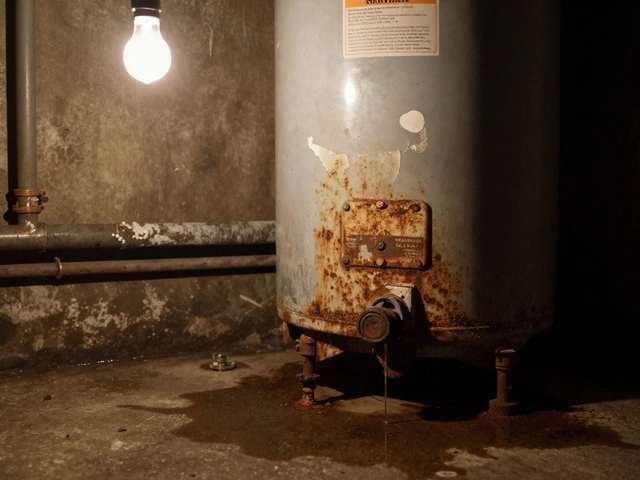
A 20-year-old water heater is likely inefficient, unsafe, and prone to sudden failure. Repairing it may seem cheaper, but replacement saves money, energy, and prevents costly water damage. Here’s what you need to know before deciding.
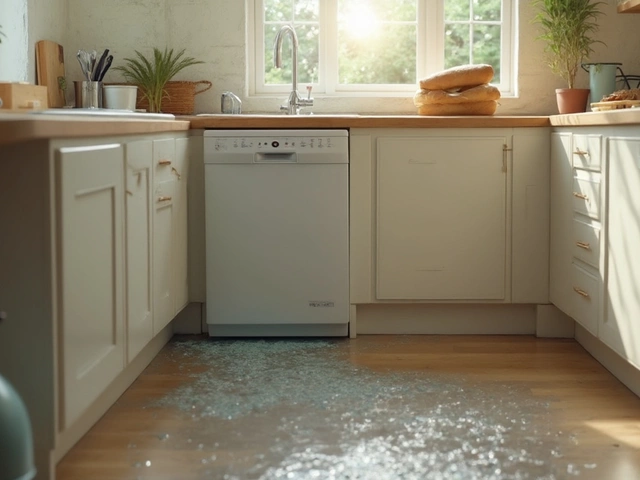
Dishwashers are a staple in modern kitchens, but they often face common issues. So, what's the most frequent problem users encounter? This article dives into typical faults like drainage issues and proposes practical solutions. Understand why your dishwasher might not clean effectively and learn simple DIY fixes to keep it in top shape. By addressing these issues, you'll ensure your dishwasher runs smoothly for years to come.

Discover which washing machine parts break down most often, why they fail, and how to prevent expensive repairs. Get tips to keep your washer running smoothly.

Ovens are essential in any kitchen, but they can sometimes act up. Whether it's uneven cooking, a door that won't close, or strange noises, there's usually a straightforward explanation—and solution. This article delves into typical oven issues, offers handy tips to troubleshoot them, and suggests when it's time to call a professional. Knowing these basics can help keep your oven running smoothly.
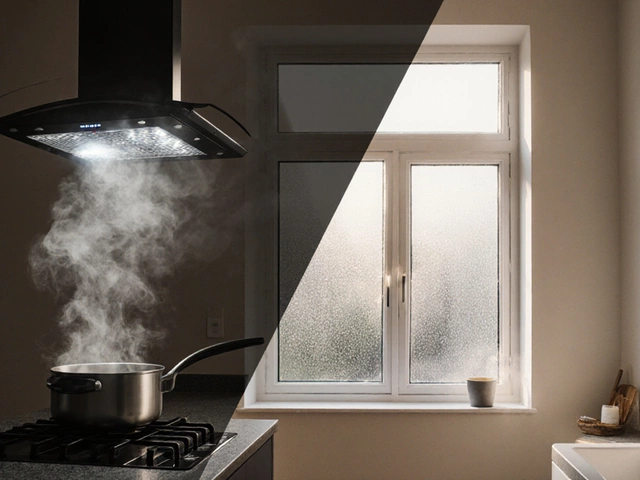
Explore whether you can live without an extractor fan, covering UK regulations, health risks, passive ventilation tricks, dehumidifier use, and when a mechanical fan becomes essential.