

If your kitchen fan is making weird noises, humming weakly, or just won’t turn on, you’re not alone. A faulty fan can leave cooking smells hanging around and make the whole kitchen feel stuffy. The good news? Most problems have easy checks you can do yourself before dialing a repair service.
First, make sure the fan is getting power. Look at the switch, the plug, and the circuit breaker. A tripped breaker or a loose plug is often the culprit. If the fan hums but doesn’t spin, the motor may be jammed. Turn off the power, remove the grill, and give the blades a gentle spin. Dust or grease buildup can cause friction; a quick clean with a soft brush usually frees it up.
Another frequent issue is a noisy fan. That noise usually comes from a loose mounting screw or a worn bearing. Tighten any visible screws and check the motor housing for wobble. If the bearing sounds gritty, spray a little non‑electric oil (like sewing machine oil) into the motor vent – but never use spray lubricants that can attract dust.
Smells that linger after cooking often mean the fan’s filter is clogged. Most kitchen fans have a mesh or charcoal filter you can lift out, wash with warm soapy water, and let dry completely before reinstalling. A clean filter restores airflow and reduces the load on the motor.
If the fan still won’t run after you’ve checked power, cleaned the blades, and tightened everything, it’s time to get an expert. Professionals can test the motor’s windings, replace worn bearings, and diagnose wiring problems safely. Trying to open the motor housing without the right tools can damage the fan or cause an electric shock.
Another reason to call a pro is if you notice a burning smell or see smoke. That signals a serious electrical fault that needs immediate attention. Also, if your fan is older than 10‑12 years, the motor may be nearing the end of its life and a replacement could be more cost‑effective than repeated repairs.
At Bognor Regis Appliance Repair Experts, we know kitchen fans inside out. Our technicians arrive on time, bring the right parts, and get your fan back to full speed in no time. We also offer a quick maintenance check to keep your fan humming smoothly for years.
Bottom line: start with the simple checks – power, cleaning, and tightening. If those steps don’t fix the issue, don’t risk a bigger problem. Call in a qualified repair service and enjoy a fresh, well‑ventilated kitchen again.

Extractor fans play a crucial role in maintaining the air quality of your home, yet often go unnoticed until issues arise. Regular servicing of extractor fans can prevent malfunction, improve efficiency, and extend the lifespan of the device. This article explores the importance of servicing extractor fans, signs that show when a service might be needed, and provides maintenance tips to keep these devices in tip-top condition. Learn how a well-maintained extractor fan can contribute to a healthier living environment.

Repairing an extractor fan can seem daunting, but with the right guidance and tools, it's a task that can be tackled with confidence. This article walks you through the essential steps of diagnosing common issues, the tools needed for basic repairs, and tips for maintaining your fan in top condition. Whether in a kitchen or bathroom, keeping your extractor fan functional ensures optimal ventilation and air quality. Learn when a repair is possible and when it might be time to seek professional help.
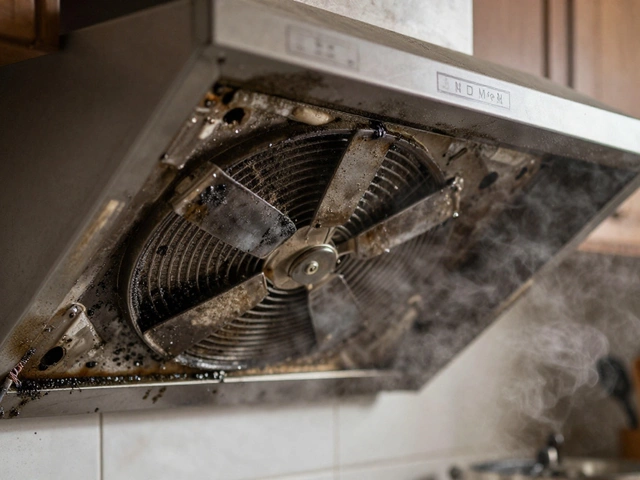
Kitchen extractor fans typically last 10-15 years, but grease buildup and lack of cleaning can cut that in half. Learn the signs it's time to replace yours and how to choose a better model.
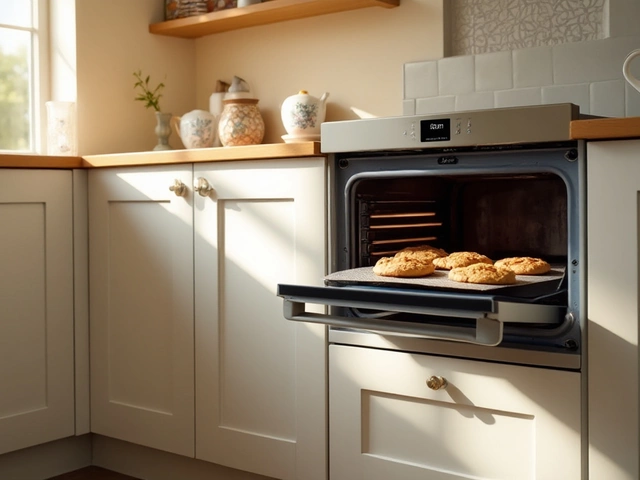
An electric oven is a staple in most kitchens, used for everything from baking cookies to roasting savory meals. Knowing how long an electric oven is expected to last can help homeowners budget and plan for replacement or repairs. This article explores the average lifespan of electric ovens, factors influencing their durability, and tips on maintenance to extend the life of the appliance. Understanding these aspects will aid in maximizing the utility and performance of your oven.
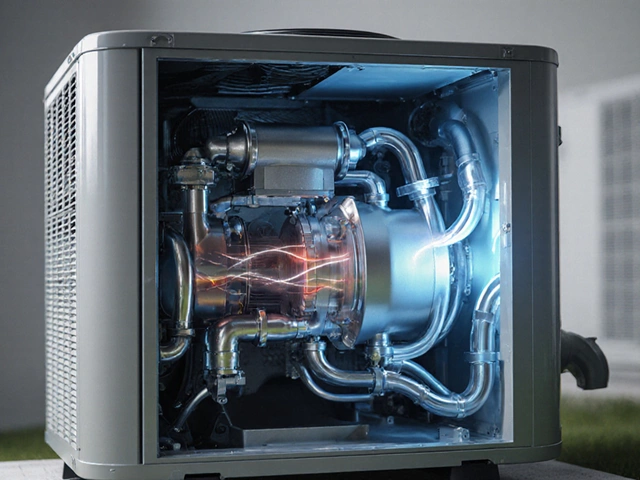
Find out the 2025 price range for heat pump compressors, what factors affect cost, how to get accurate quotes, and whether DIY or professional installation is best.
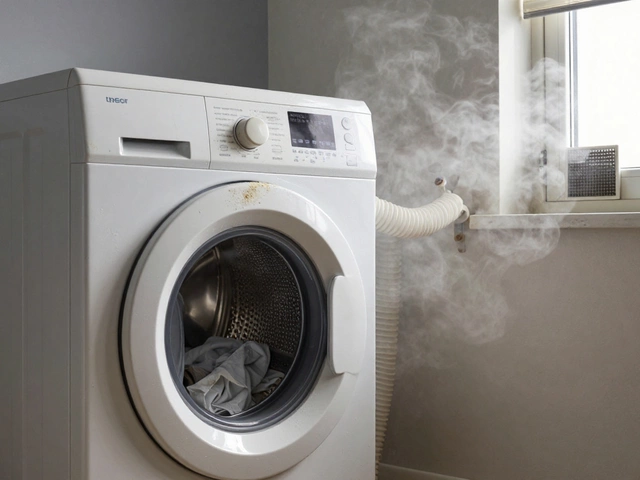
Most tumble dryers last 8-13 years, but poor maintenance can cut that in half. Learn the signs your dryer is failing, when to repair vs replace, and how to make it last longer.

Wondering how often you should replace your extractor fan? This article covers extractor fan lifespan, signs it's time for a change, maintenance tips, and why fresh air matters.