

Got a new fridge, oven, or heat pump and wondering how to get it up and running? You’re not alone. Installing appliances can feel tricky, but with the right tools and a clear plan, most jobs are doable in an afternoon. This page gathers all the hands‑on advice you need, from swapping a kitchen extractor fan to fitting a heating system.
We’ve pulled together step‑by‑step articles written by our local technicians. Each guide is stripped down to the basics: what you’ll need, safety checkpoints, and the exact moves that get the job done. If you hit a snag, you’ll know exactly when it’s time to call the experts at Bognor Regis Appliance Repair.
Before you start any installation, grab a basic toolbox: screwdrivers (flat‑head and Phillips), adjustable wrench, pliers, a drill with a set of bits, and a voltage tester. A sturdy ladder, safety gloves, and goggles are non‑negotiable for ceiling or high‑up work. Turn off the power at the consumer unit and shut off water or gas lines where needed – double‑check you’re safe before you touch anything.
Most of our guides remind you to read the manufacturer’s manual for model‑specific requirements. If a device needs a dedicated circuit, let a qualified electrician handle the wiring. That extra step saves you from costly rewinding or a fire hazard later.
Our collection covers the most common installations you’ll face around the house:
Each article breaks the process into bite‑size steps, highlights common pitfalls, and offers quick fixes if something goes wrong. For example, the extractor fan guide warns about ceiling joist spacing that can trip up a first‑time installer, while the oven element piece explains how to spot a burnt coil before you replace it.
If you’re comfortable with basic DIY, these guides give you confidence to get the job done right. Still, some jobs – especially those involving gas lines or high‑voltage connections – are best left to a qualified tradesperson. Our team is just a call away for those tricky moments.
Ready to start? Pick the guide that matches your project, gather your tools, and follow the steps. You’ll save time, avoid unnecessary service calls, and keep your home running smoothly. And if you need a hand, Bognor Regis Appliance Repair Experts is here to help with professional installation and repair services.
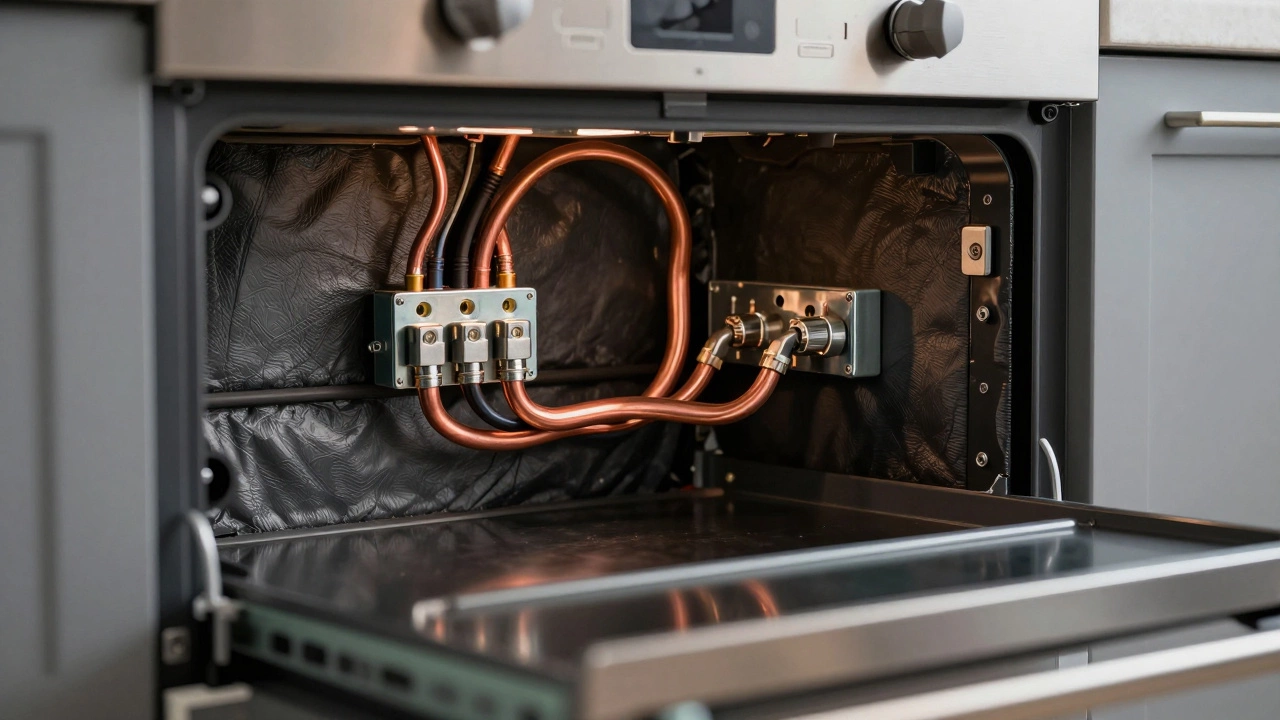
Discover whether you can replace an electric oven yourself or need to hire a professional. Learn about voltage requirements, safety risks, and legal building codes for appliance installation.

Thinking about replacing your old boiler but dreading the mess? This article breaks down exactly what kind of disruption to expect during a boiler swap. Find out what typically gets messy, which steps are surprisingly neat, and how you can prep your space to keep chaos to a minimum. Get straightforward tips to protect your home, plus the real deal on post-installation cleanup. No sugarcoating—just facts every homeowner should know before booking the job.

An appliance technician plays a crucial role in keeping household and commercial appliances running smoothly. They diagnose issues, perform necessary repairs, and offer maintenance tips to prevent future problems. Understanding their responsibilities helps in appreciating their importance. This article provides insights into the day-to-day duties of an appliance technician and offers tips for those aspiring to join this field.
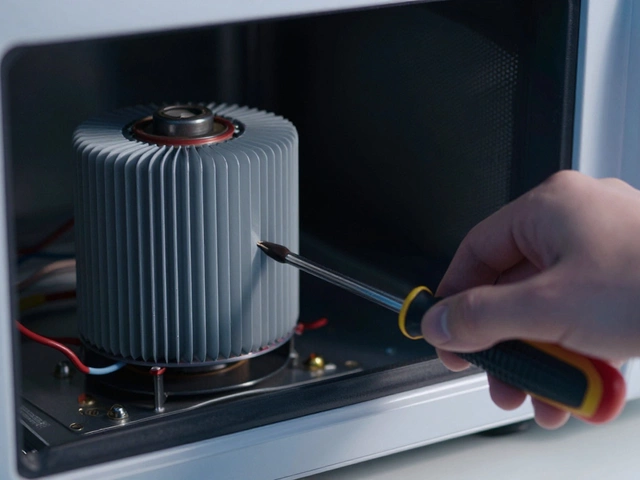
Fixing your own microwave might seem easy, but the high-voltage capacitor inside can deliver a lethal shock-even when unplugged. Here's why DIY repairs are dangerous and what you should do instead.

Discover what causes heat pumps to break down, the warning signs, and how to keep yours running smoothly with practical tips for any homeowner.

Discover what makes some refrigerator repairs more costly than others. From compressor issues to electronic faults, fixing these problems can hit your wallet hard. We'll uncover why some are pricier than others and offer tips on how to avoid them. Learn about preventive measures to save you money in the long run. This guide is a must-read for every fridge owner looking to keep repair costs at bay.

When your electric hob stops working, it's more than just a minor inconvenience—cooking essentials go awry, family meal plans are disrupted. Understanding some common causes and fixes is crucial before calling in the big guns or rushing to buy a new unit. From circuit issues, faulty sensors, and even user errors, many problems have straightforward solutions. This guide walks you through troubleshooting steps and shares tips to keep your hob cooking strong.