

If you ever walked into a room and felt a sticky, clammy vibe, you’ve met home moisture. Too much water in the air or hidden leaks can ruin paint, warp floors, and make you sick. The good news? Most moisture troubles show clear signs, and you can tackle many of them yourself before a professional is needed.
Before you start any repair, look for these red flags:
Catch these early and you’ll save money and stress.
1. Bathroom and kitchen ventilation – Turn on exhaust fans every time you shower or cook. If the fan is weak, clean the grill and replace the fan motor every few years.
2. Leaky pipes – A dripping pipe under the sink can turn into a hidden damp patch. Shut off the water supply, replace the washer, and tighten any loose fittings.
3. Basement dampness – Check the exterior walls for cracks and seal them with waterproof caulk. Run a dehumidifier during rainy months; keep it at 45‑55% relative humidity.
4. Roof and gutter issues – Clean gutters twice a year and make sure downspouts direct water at least three feet away from the house foundation.
5. Appliance leaks – Washers, dishwashers, and refrigerators can leak. Inspect hoses for wear, tighten connections, and place a water‑proof mat underneath.
These steps often stop moisture before it spreads.
Some problems need a specialist. If you see large water stains on ceilings, hear constant dripping behind walls, or notice extensive mold growth, a qualified repair service should assess the situation. They can test for hidden leaks, evaluate structural damage, and safely remove mold.
For example, heat pump issues like a unit not blowing warm air can cause excess humidity in your home. A professional can diagnose whether the problem is a simple filter clean‑up or a deeper refrigerant leak.
If your hot water heater keeps resetting, it could be a sign of internal corrosion—another moment for an expert.
Keeping your home dry isn’t a one‑time job. Here are habits that pay off:
By combining quick fixes, professional help when needed, and ongoing habits, you’ll keep moisture at bay and protect your home’s structure and health.
Remember, moisture is invisible until it hurts. Stay alert, act fast, and enjoy a dry, comfortable house year‑round.

Wondering if you actually need an extractor fan? This article unpacks whether having one is essential for your home, focusing on bathrooms, kitchens, and the impacts of poor ventilation. Get practical advice about when an extractor fan is a must, what can go wrong without one, and tips for repair and maintenance. Make sure your living space stays fresh, dry, and hassle-free. Say goodbye to foggy mirrors and damp smells.

If your extractor fan has suddenly stopped working, it's not just annoying but can lead to bigger problems like excess moisture and lingering odors. This article will delve into common issues with extractor fans and provide practical solutions you can try at home. Learn about potential causes, from power supply problems to sensor malfunctions, along with straightforward fixes. Some tips might even save you from calling in a professional. Get your fan back up and running with ease!

Fixing an extractor fan can be a straightforward process if approached with the right tools and knowledge. This article delves into various factors affecting repair time, common issues encountered, necessary tools, and preventive tips to maintain optimal performance. Readers will discover useful advice on diagnosing problems and learn how to efficiently address and resolve them, ensuring a smooth and fresh airflow in kitchens and bathrooms.

Find out if your food is safe after a freezer breakdown. Learn how long food stays cold, what to keep vs. toss, and essential steps to prevent waste and illness.
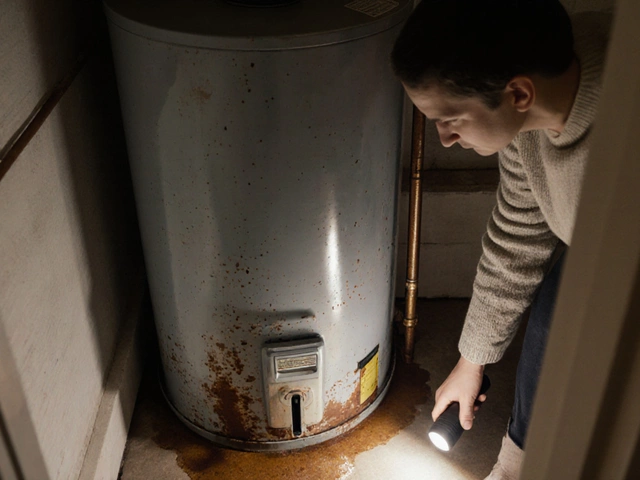
Find out if fixing a 20‑year‑old water heater makes sense. Compare repair costs, energy loss, and replacement price to decide the best move for your home.

This article breaks down what 'appliance for a job' really means in the appliance service world. It explains common misunderstandings and clarifies whether it refers to equipment or applying for work. The piece gives real-world examples, explores the hiring process for technicians, and shares tips for both customers and job seekers. Straightforward info keeps things practical and easy to follow. If you've ever scratched your head at this phrase, you'll finally get the answer here.