

When your oven won’t heat or your water heater stops making hot water, the culprit is often a heating element, a simple metal coil that converts electricity into heat. Also known as a element, it’s the heart of most electric appliances—and one of the first things to wear out. It’s not fancy, but without it, your oven stays cold, your dishwasher won’t dry, and your shower turns icy. And yes, it’s usually replaceable—no need to toss the whole appliance.
Heating element failure doesn’t happen overnight. It’s a slow burn, literally. Over time, minerals in water build up on water heater elements, causing hot spots that crack the coil. In ovens, the element expands and contracts with every cycle until it snaps. You’ll know it’s gone when the element looks blackened, broken, or doesn’t glow red when the appliance turns on. Sometimes, it’s not the element at all—it’s the thermostat, fuse, or wiring feeding it. But if the element is dead, that’s your fix.
It’s not just ovens and water heaters. Tumble dryers, dishwashers, even some cooktops rely on these little coils. And while you can test them with a multimeter, most people don’t have one—or the confidence to use it. That’s why so many end up replacing whole appliances when all they needed was a £30 part and an hour of their time.
Water quality matters. Hard water? Your water heater element will die faster. Frequent use? Same thing. A faulty thermostat that keeps the element running too long? That’s a silent killer. And if someone tried to fix it themselves with the wrong part—a generic element that doesn’t match the wattage or shape—you’ve set yourself up for another failure in months.
Here’s the truth: if your oven stopped heating and the rest of the controls work, it’s almost always the element. Same with a water heater that runs cold after a few minutes. You’re not imagining it. And you’re not alone. In the UK, over 60% of electric water heater repairs are just element swaps. Same for ovens. It’s the #1 fix we do in Bognor Regis.
Don’t waste money on a new appliance unless the rest of it is falling apart. A broken heating element doesn’t mean your appliance is done. It just means it’s time for a simple, affordable repair. The posts below show you exactly how to spot the problem, what to check first, which brands last longer, and when to call someone who’s seen it a hundred times before.
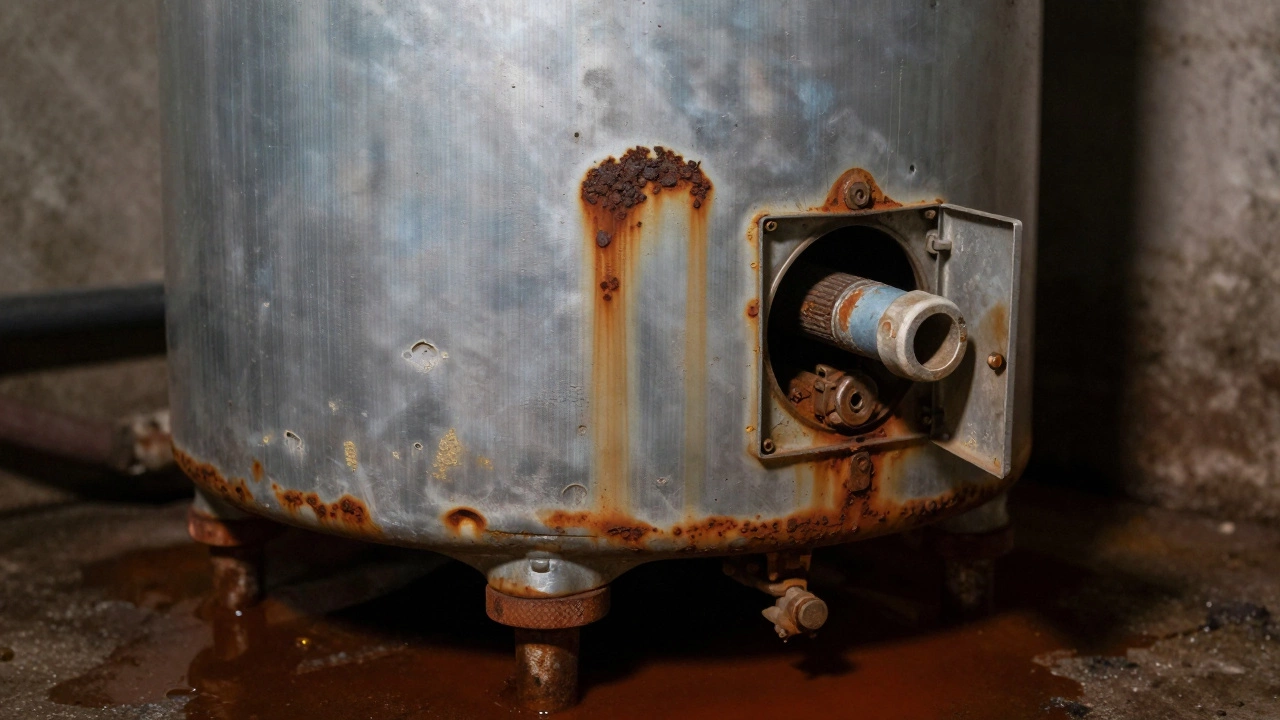
Water heaters commonly fail due to heating element burnout, thermostat issues, corrosion, and sediment buildup. Learn the top causes and how to spot them early to avoid costly repairs or sudden breakdowns.
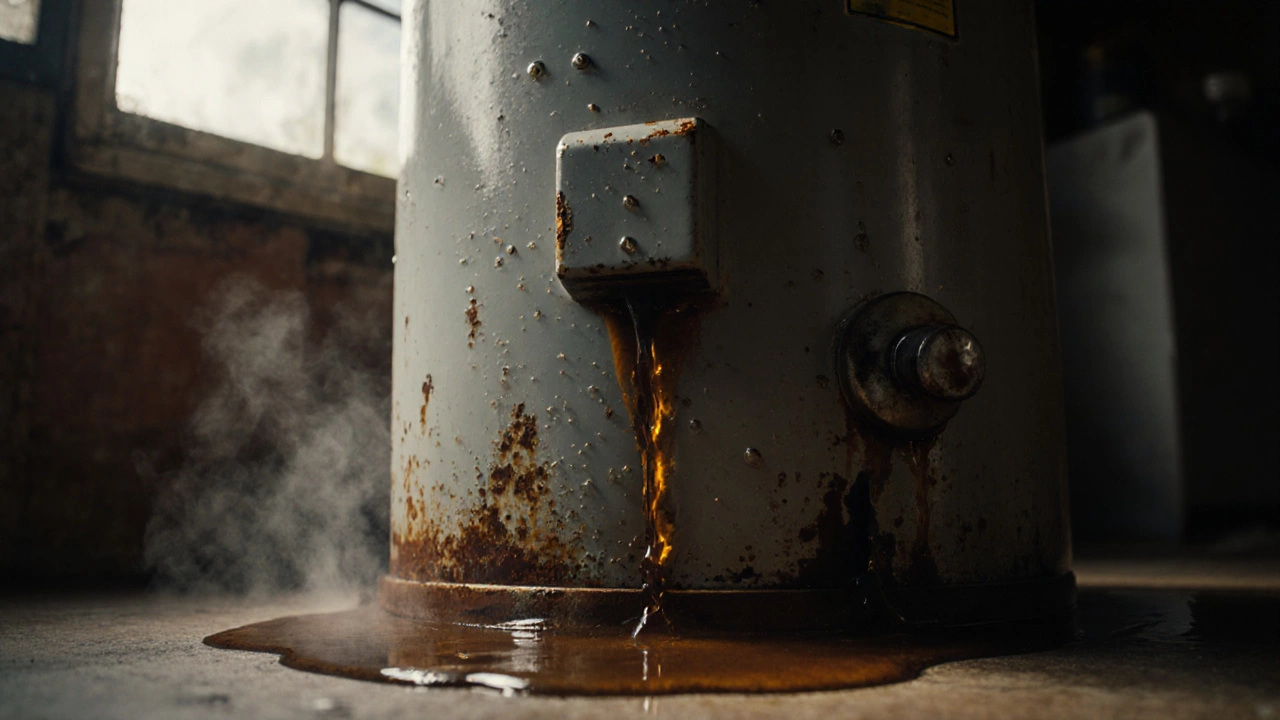
Most water heaters fail due to tank corrosion, heating element burnout, or sediment buildup. Learn the top failure points and how to spot them early to avoid costly repairs or floods.

Ever wondered how long your trusty range oven will last? On average, a well-maintained range oven can serve you for about 10 to 15 years. Routine cleaning and minor repairs can help extend its lifespan. Knowing when to repair or replace your oven is crucial for efficiency and safety. Read on for practical tips to make sure your oven lasts as long as possible.

Wondering how long a washing machine should actually last? This article breaks down real averages, points out what causes washers to wear out, and shows simple ways to get more years out of your machine. We’ll look at red flags for replacement, compare old versus new models, and clear up some common myths about washers. If you want your next laundry day to go smoothly—or you’re tired of surprise breakdowns—this guide’s for you.
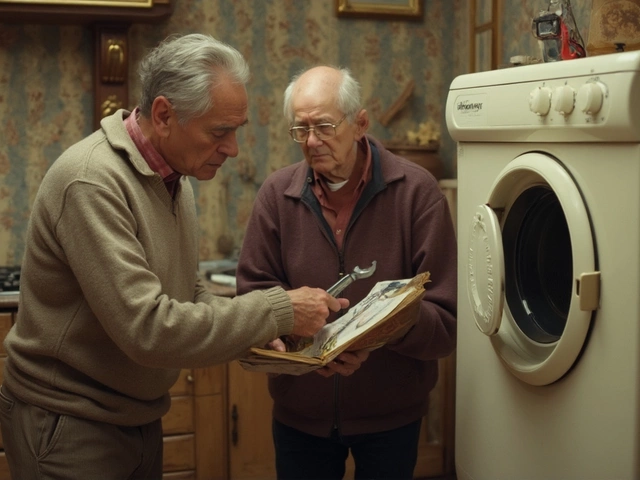
Wondering if fixing your tumble dryer makes sense? This article dives into crucial considerations like repair costs, common issues, and when to replace. Avoid costly mistakes by learning signs that scream 'repair!' or 'replace!' Smart tips help you make the right decision for your dryer woes.
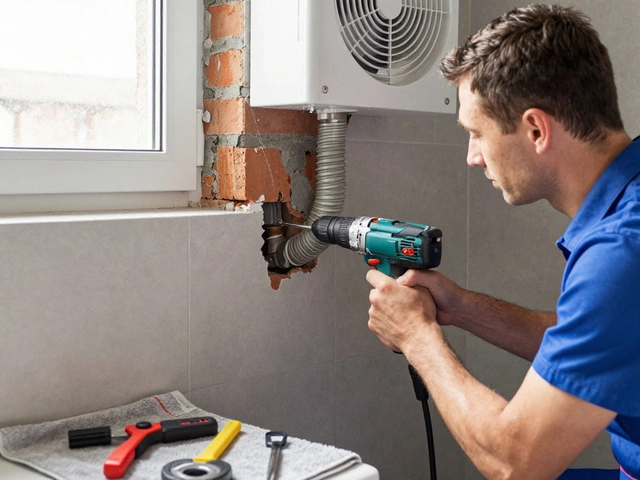
Can a plumber fit an extractor fan? While they can install the unit, only a qualified electrician can legally and safely handle the wiring. Learn what you need to know before hiring anyone.

Ever wondered who foots the bill for boiler service in your home? This article delves into the responsibilities of homeowners and landlords when it comes to boiler maintenance. It offers practical tips for navigating service agreements and highlights some surprising facts about cost-savings that effective maintenance can offer. Discover insights and advice on ensuring your boiler runs smoothly without burning a hole in your wallet.