

If your home feels chilly or the hot water has disappeared, you’re probably dealing with a heater problem. The good news is many issues can be identified and even fixed without a full service call. Below we cover the most common culprits – heat pumps, water heaters and boilers – and give you clear steps to get things back to normal.
Heat pumps are great for year‑round comfort, but they can act up. The most frequent complaint is a unit that won’t blow warm air. First, check the thermostat setting – sometimes it’s simply set to “cool” or a low temperature. Next, inspect the outdoor coil for debris or ice buildup; a blocked coil can starve the system of heat. If the fan runs but the air stays cool, the refrigerant level is likely low, which is a job for a certified technician.
Another tell‑tale sign is a loud, high‑pitched noise coming from the indoor unit. That usually points to a failing fan motor or a loose belt. Turn off the power, remove the cover and look for worn parts. Replacing a fan belt is a cheap fix you can do yourself with basic tools.
Cold showers are frustrating, but before you call a plumber, see if resetting the water heater helps. Many modern electric models have a reset button on the thermostat; press it and see if the heater fires up. If the reset trips again, you likely have a faulty heating element or a broken thermostat.
To check the element, turn off the power at the breaker, remove the access panel, and use a multimeter to test for continuity. A dead reading means the element needs replacing – a straightforward swap that usually costs under £30 for the part. While you’re at it, flush the tank to remove sediment that can cause overheating and premature failure.
For gas water heaters, listen for the pilot light. If it’s out, follow the manufacturer’s relighting instructions; a clean burner and fresh gas supply are essential. If the pilot won’t stay lit, the thermocouple may be worn out and should be replaced.
When a boiler stops heating or makes strange noises, the first move is to check the pressure gauge. Ideal pressure sits between 1 and 1.5 bar when the system is cold. If it’s low, bleed the radiators and add water via the filling loop until the gauge reads correctly.
If the boiler still won’t fire, look at the error code on the display panel. Most modern boilers match codes to common issues like a blocked condensate pipe or a failed fan. A blocked pipe can be cleared with a gentle flush of warm water; a faulty fan usually requires a professional.
Regular maintenance goes a long way. An annual service can catch worn seals, dirty heat exchangers and worn pumps before they cause breakdowns. If you’re comfortable, clean the external filter screens every few months – a few minutes of work saves a costly call later.
Remember, safety first. Never work on a heating system while it’s powered or pressurized unless you’re sure of what you’re doing. When in doubt, especially with gas‑fired equipment, call a Gas Safe registered engineer.
With these simple checks, many heater hiccups can be solved quickly. Keep this guide handy, note any patterns you see, and you’ll spend less time shivering and more time enjoying a warm, comfortable home.

Experiencing a sudden loss of hot water can be inconvenient and potentially alarming. Understanding common reasons for this issue, such as thermostat malfunctions or a broken heating element, can help you troubleshoot the problem. Sometimes the solution is as simple as relighting the pilot light or adjusting the thermostat settings. For more complex issues, professional repair might be necessary. This article provides insightful tips and practical information to help you get your hot water flowing again.
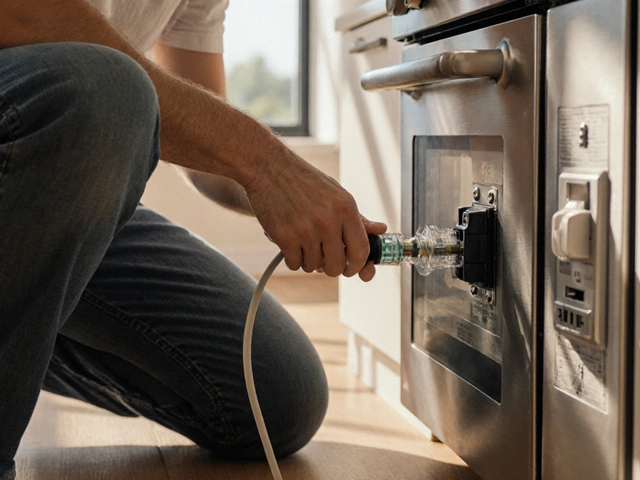
Learn why your electric oven suddenly stopped working, diagnose power, element, thermostat or safety fuse issues, and decide when to DIY or call a repair professional.
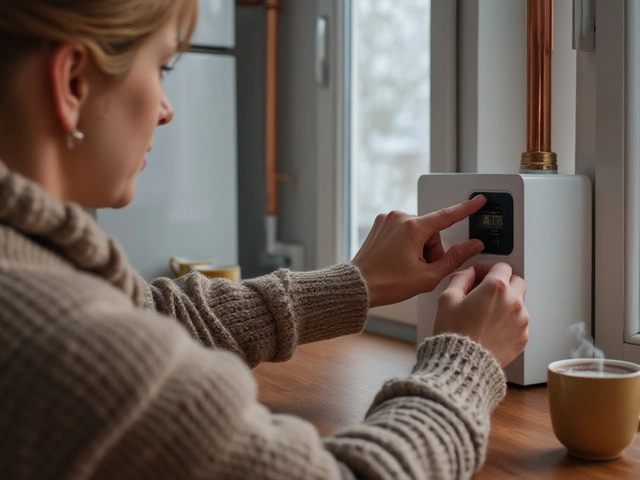
Maintaining a boiler goes beyond just an annual check-up. Regular maintenance ensures that your heating system runs efficiently, prolonging its lifespan and saving money on repairs. This article delves into necessary care tips, signs indicating a need for professional help, and actions homeowners can take to keep their boilers in top shape. Understanding the importance of each maintenance task can help prevent unexpected breakdowns, especially during colder months.
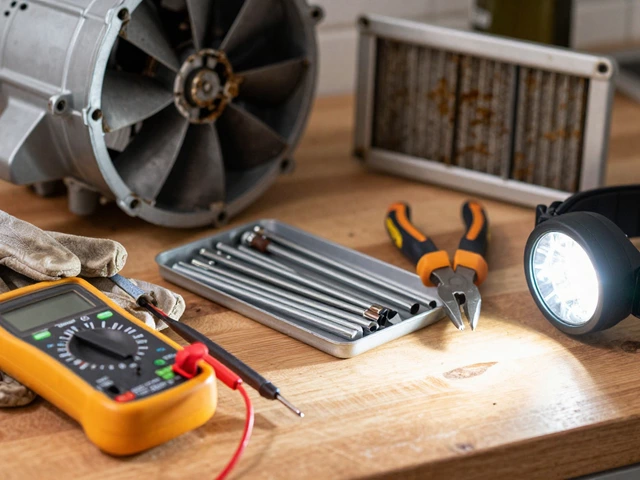
Learn how to replace a kitchen extractor fan motor safely. This step-by-step guide covers diagnosis, tool preparation, removal, and installation tips for DIY enthusiasts.
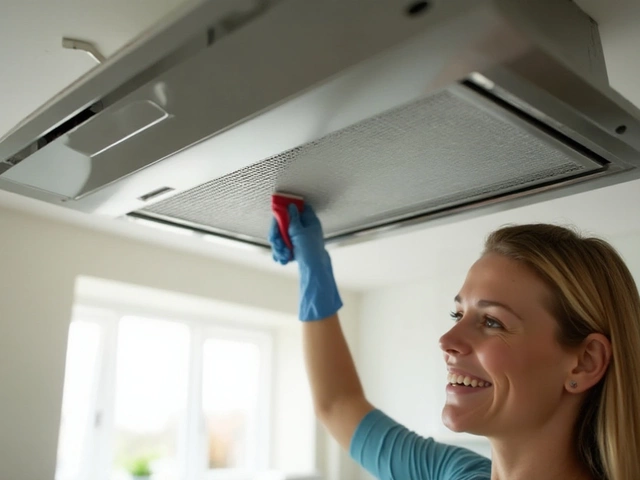
Routine maintenance of extractor fans is crucial to maintaining indoor air quality and ensuring the efficient operation of these ventilation systems. This article explores why servicing extractor fans is important, providing insight into potential problems that may arise if overlooked. Learn how regular upkeep can prevent costly repairs and improve the lifespan of your equipment. Discover practical tips and a step-by-step guide on how to ensure your extractor fan is operating at its best. Keep your home fresh and healthy by understanding the significance of extractor fan servicing.
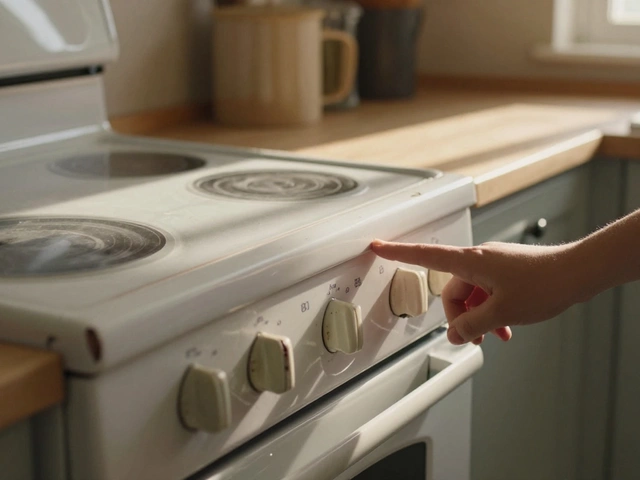
Deciding whether to fix an old stove? Learn how to weigh repair costs against buying a new unit, factoring in safety, energy bills, and part availability for a 15-year-old appliance.