

If your heat pump feels sluggish, makes weird noises, or just isn't keeping your home comfy, you’re not alone. A lot of UK homeowners skip the simple chores that keep these units humming for years. Below are the everyday actions that can save you time, hassle, and a hefty repair bill.
First off, treat your heat pump like you would a car. A quick visual check once a month goes a long way. Make sure the outdoor coil is free of leaves, grass, and dust – a vacuum or garden hose on low pressure works fine. If you notice a layer of mud or grime, gently rinse it off and let it dry.
The indoor air filter catches dust and pollen, so replace or clean it every 4‑6 weeks during heavy use. A clogged filter forces the fan to work harder, raising energy costs and wearing out the motor faster.
Watch the fan blades for debris or bent edges. Even a small bend can throw the airflow off balance and cause vibration. Straighten or replace the blade, then tighten any loose screws.
Check the condensate drain line for blockages. A slow drain can lead to water overflow and corrosion. Pour a cup of hot water down the line every few months to keep it clear.
Schedule a professional service at least once a year. A certified technician will test refrigerant pressure, inspect electrical connections, and calibrate thermostats – things most DIYers can’t safely do.
Warm air not blowing? Start by confirming the thermostat is set to “heat” and the temperature is higher than the room’s current level. If the fan is off, flip the fan switch to “auto” or “on” and see if air moves.
If the unit runs but only blows cool air, the reversing valve might be stuck. You can try resetting the system by turning the power off at the breaker for a minute, then turning it back on. Often that kick‑starts the valve.
Strange noises like rattling or squealing usually point to a loose part or a worn motor belt. Shut the unit off, open the access panel, and tighten any visible bolts. If the belt looks cracked, replace it – it’s cheap and saves the motor from overheating.
When the heat pump turns on but the temperature barely changes, the outdoor unit might be frozen. Turn it off, let the ice melt, and clear any ice build‑up with a soft brush. Add a little anti‑freeze spray if you live in a very cold area.
If you’ve tried these steps and the problem persists, it’s time to call a local expert. Trying to fix refrigerant leaks or electrical faults yourself can be dangerous and may void warranties.
In short, regular cleaning, filter swaps, and a yearly professional check keep most heat pumps happy for 15‑20 years. When issues pop up, a quick visual inspection often reveals the culprit before you need a costly call‑out.
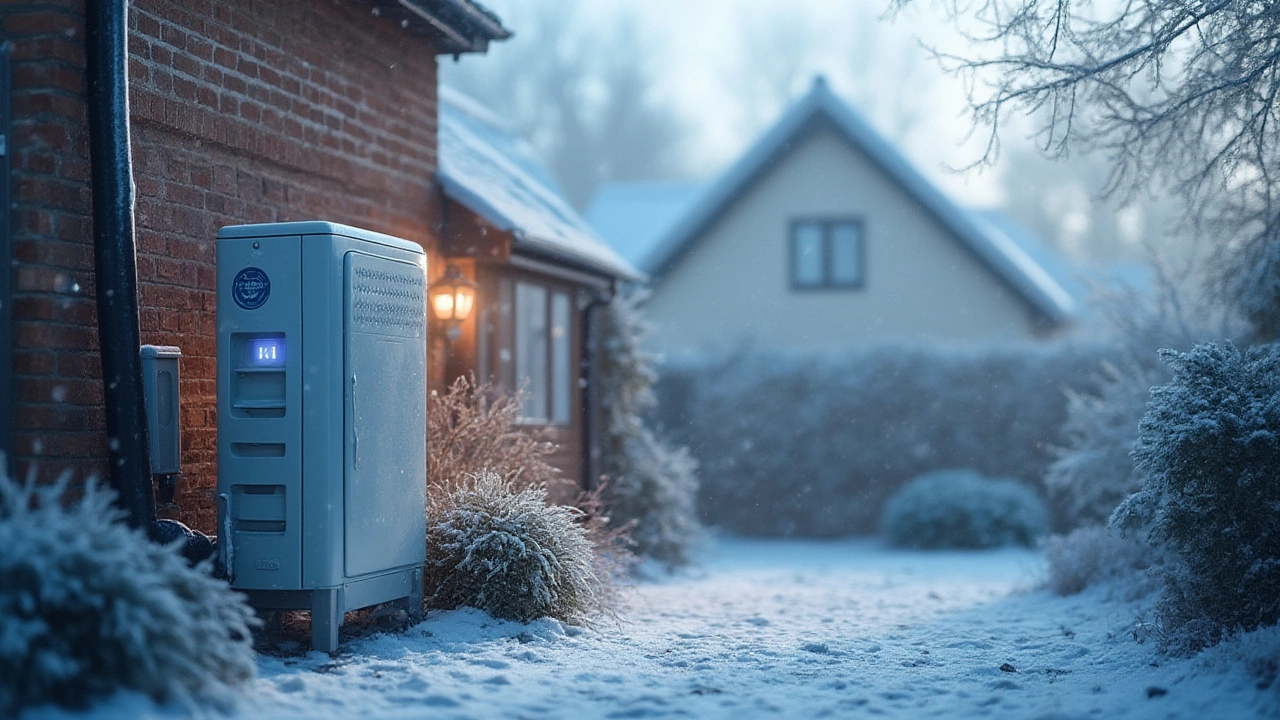
Wondering what temperature makes a heat pump stop working well? Learn the cold limits, key facts, and expert tips for running heat pumps in harsh winters.
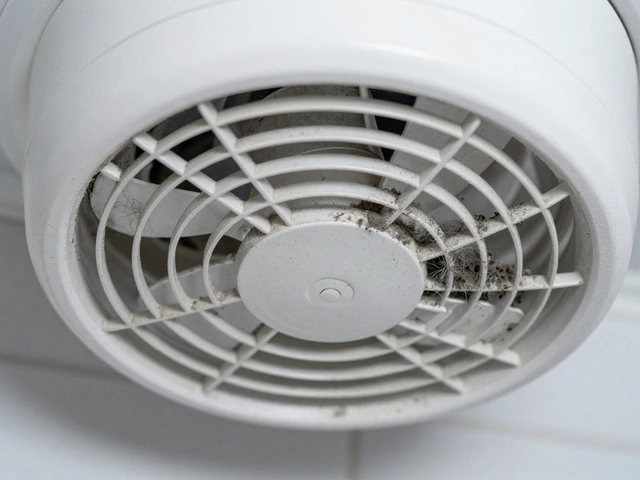
Learn how to properly service your bathroom extractor fan with this easy step-by-step guide. Discover cleaning tips, troubleshooting tricks, and when to call a pro.
Flushing your water heater is an essential maintenance task that can extend its lifespan and improve efficiency. As water heaters age, sediment and minerals build up, potentially leading to costly repairs or irreparable damage. Learn how often you should flush a ten-year-old water heater and whether it's worth considering professional help. Discover practical tips and insights for maintaining this critical home appliance effectively.

Repairing a glass hob is an essential task for maintaining a functional and modern kitchen. The cost of fixing a glass hob can vary greatly depending on the damage's severity and the required repair type. This article delves into the various factors influencing repair costs, from crack treatment to replacement solutions. It also provides tips for maintenance to prolong the lifespan of your hob and prevent future damage.
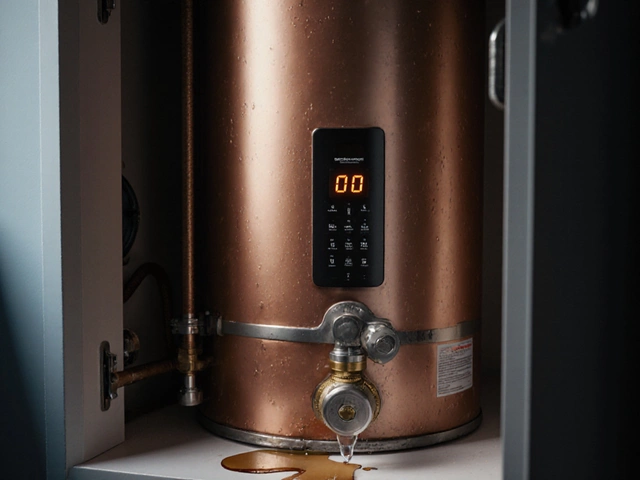
Spot the top warning signs of a failing hot water heater, from strange noises and leaks to temperature swings and error codes, plus practical fixes and when to call a pro.

When your water heater only puts out cold water, it’s more than just annoying—it can point to real problems inside the unit. This article breaks down the most common reasons behind a water heater that refuses to warm up, from tripped breakers to busted heating elements. You’ll find tips on quick checks you can do at home before calling a pro, plus some unexpected facts about how water heaters really work. Knowing what’s wrong can save you from a frigid morning shower and a giant repair bill. Get ready to tackle that cold water problem with practical advice you can use right away.