

If your heat pump is humming but the rooms stay chilly, you’re probably wondering what’s wrong. It’s a frustrating feeling, especially when the weather is dropping. The good news is that many warm‑air problems have simple fixes you can try before dialing a technician.
First, check the thermostat. It sounds basic, but an incorrectly set mode or temperature can stop warm air from coming out. Make sure it’s set to heat and the target temperature is higher than the room’s current temp.
Next, look at the air filter. A clogged filter restricts airflow, making the system work harder and sometimes shutting off the heating element. If the filter is dirty, replace or clean it – this alone can restore warm flow.
Another frequent culprit is the outdoor unit’s frost build‑up. In colder weather the coil can freeze, blocking heat exchange. Most heat pumps have an automatic defrost cycle, but if it fails you’ll notice ice on the coil and a loss of warm air. Turning the system off for a few minutes lets the ice melt.
Check the fan settings too. Some heat pumps have a “fan‑only” mode that circulates air without heating. If the fan is set to low or off, you won’t feel any warmth. Switch the fan to auto or a higher speed.
Lastly, low refrigerant levels can cause the heat pump to run without producing heat. This isn’t something you can fix yourself, but a quick visual check for oil stains around the connections can hint at a leak.
Start by resetting the system. Turn the thermostat off, wait 30 seconds, then power the heat pump back on. This reboot can clear minor electronic glitches.
Inspect the circuit breaker or fuse box. A tripped breaker will stop the compressor, leaving the fan running but no heat. Flip the breaker back on if needed.Clear any debris around the outdoor unit – leaves, twigs, or snow can block airflow and cause overheating. Gently sweep away anything that’s obstructing the unit.
If you suspect a frozen coil, switch the heat pump to “cool” mode for a few minutes. This forces the outdoor fan to run faster, helping melt the ice. Then revert to “heat” and see if warm air returns.
When you’ve checked the filter, fan, thermostat, and power, but the problem persists, it’s time to call a professional. Issues like refrigerant leaks, faulty compressors, or damaged wiring need expert handling. Trying to fix those yourself can be dangerous and may void warranties.
Keep a maintenance schedule. Cleaning the filters every two to three months and having a yearly service check can prevent most warm‑air failures. Regular upkeep keeps the system efficient and extends its lifespan.
In short, a heat pump that isn’t blowing warm air usually has an easy fix: reset it, check the thermostat, replace the filter, clear debris, and watch for frost. If you’ve gone through these steps and still feel the chill, let a qualified repair service step in. With the right approach, you’ll have cosy rooms again in no time.

Is your heat pump not blowing warm air? Here’s what causes it and how you can troubleshoot the issue. Easy fixes and tips for a cozy home.

Wondering if your oven can hit the 20-year mark? This article digs into what really decides how long an electric oven lasts, from the make to how you treat it. Get real tips to keep yours running strong, spot early signs of trouble, and find out when repair is smarter than replacement. No fluff—just straight answers for anyone looking to save money and avoid surprise oven breakdowns. This is your guide to squeezing every last year out of your electric oven.
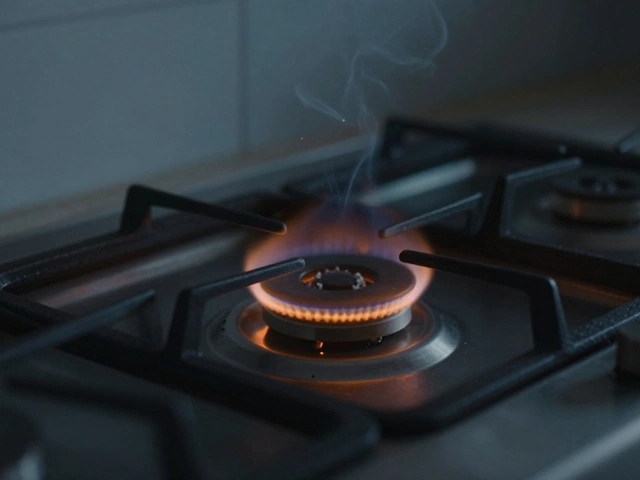
A bad gas oven igniter won't always fail completely. Watch for slow lighting, gas smells, weak flames, or no glow at all. These signs mean it's time to replace the igniter before gas leaks or the oven stops working entirely.
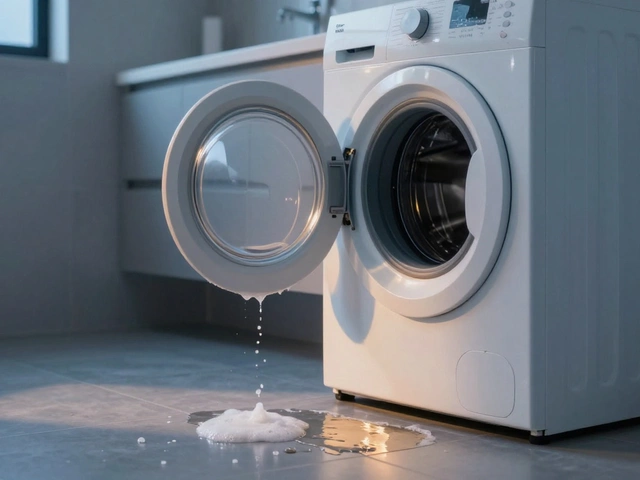
Discover the most common washing machine failures, from blocked filters to bearing issues. Learn how to diagnose leaks, spinning problems, and electronic glitches yourself.

Thinking about swapping out your gas hob? Safety rules in the UK are strict, and there’s more to it than just unscrewing pipes. This article looks at whether you really need a gas engineer for the job, what could go wrong if you cut corners, how to pick the right pro, and little-known facts about what happens during an installation. It’s a no-nonsense breakdown for anyone facing a hob swap, putting your safety at the front of the queue.
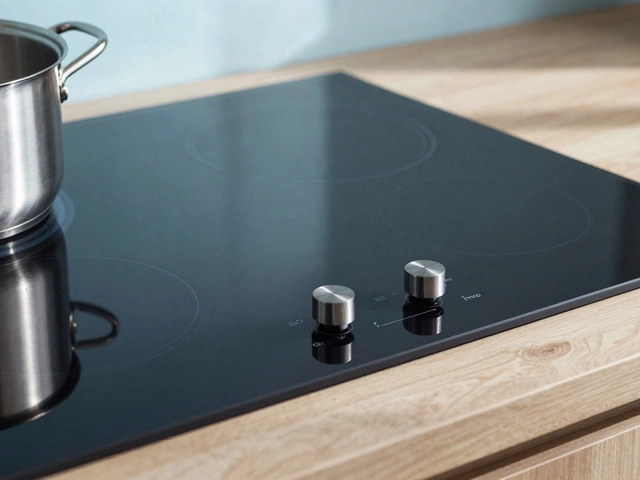
Learn exactly how to reset your electric hob when screens freeze or zones fail. This guide covers universal power cuts, button combinations, and recognizing genuine faults versus false alarms.