

If your gas hob’s burners are sputtering, the flame is uneven, or the whole thing won’t light, it’s probably time for a replacement. Most homeowners think they need to buy a brand‑new set of kitchen appliances, but swapping out a faulty hob can be simpler and cheaper than you expect. In this guide we’ll walk you through the basics of gas hob replacement, the signs it’s needed, and why calling a local pro is the smarter move.
Here are the most common reasons a gas hob should be retired:
Trying to fix each symptom yourself can turn into a money‑draining hobby. When two or more of these signs pop up, replacement usually saves time and stress.
Calling a local specialist, like the Bognor Regis Appliance Repair Experts, means you get a qualified tech who knows the local gas safety regulations. The typical process looks like this:
The whole job usually takes under two hours, and we can often schedule same‑day service if you need the kitchen back in action fast.
Why choose a pro instead of DIY? Gas is dangerous. A tiny leak can cause a fire or carbon monoxide build‑up. Certified technicians carry the right tools, leak detectors, and the knowledge to pass your local safety inspection without a hitch.
After the replacement, you’ll notice a few immediate benefits: quicker heat-up, more even cooking, and peace of mind knowing the gas line is sealed correctly. Plus, many new hobs come with safety features like flame‑failure protection that automatically shuts off the gas if the flame goes out.
Ready to ditch that old hob? Give us a call or drop a message. We’ll book a convenient slot, give you a clear price upfront, and have your kitchen cooking again in no time.
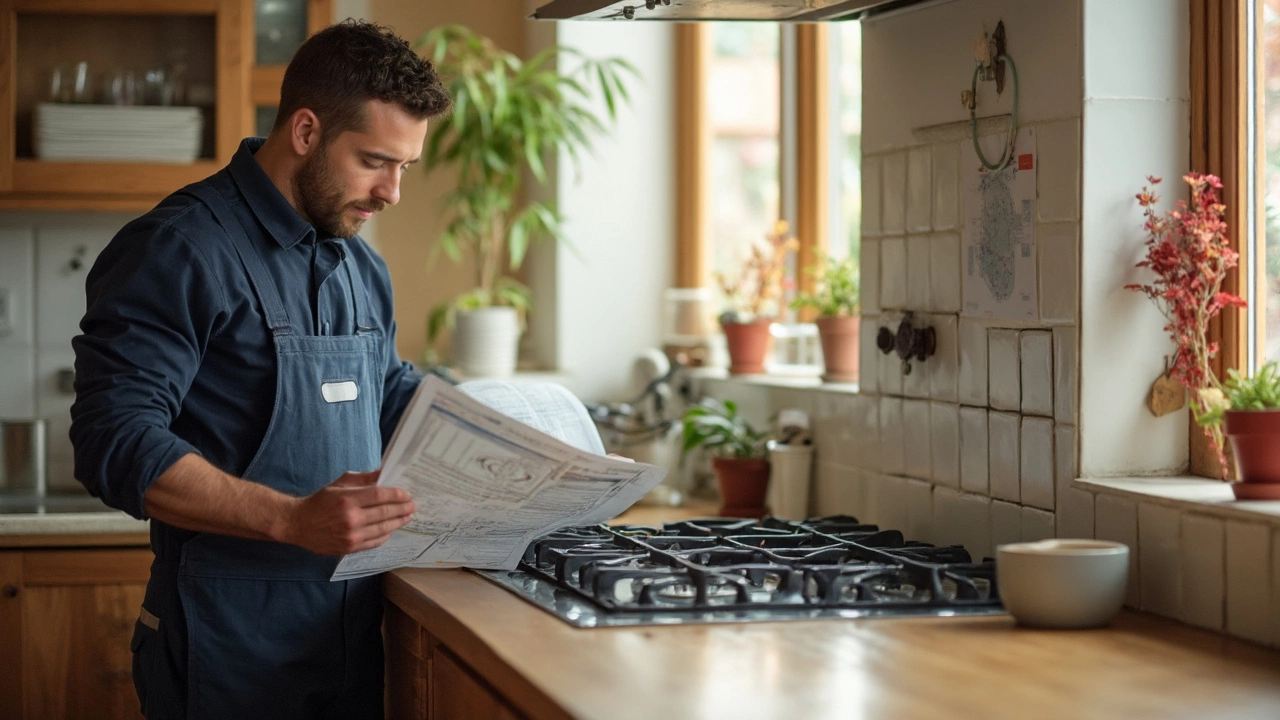
Thinking about swapping out your gas hob? Safety rules in the UK are strict, and there’s more to it than just unscrewing pipes. This article looks at whether you really need a gas engineer for the job, what could go wrong if you cut corners, how to pick the right pro, and little-known facts about what happens during an installation. It’s a no-nonsense breakdown for anyone facing a hob swap, putting your safety at the front of the queue.
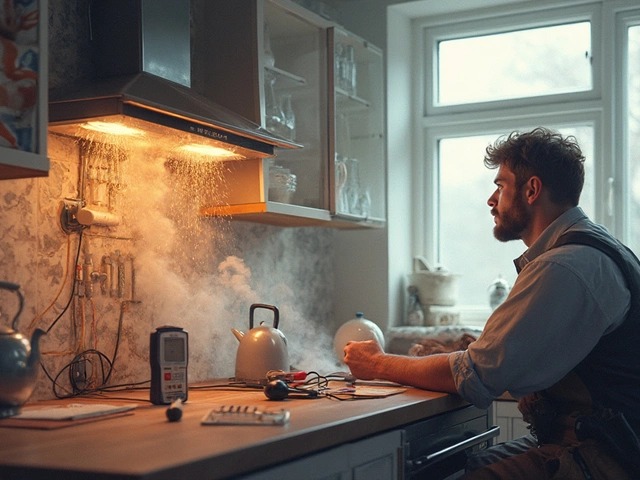
Extractor fans are essential for maintaining good air quality in homes, but what happens when they break down? This article explores whether electricians are the right professionals to fix extractor fans, the typical issues these fans encounter, and some maintenance tips to avoid frequent repairs. Learn about the repair process and when it might be time to replace your fan altogether.
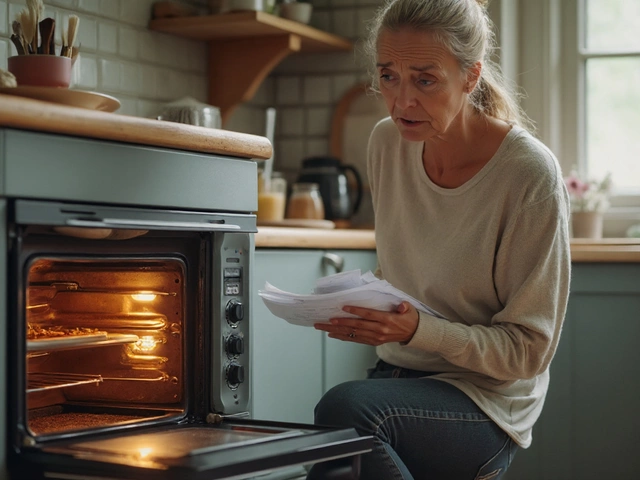
Got an electric oven that's not heating? Discover the most common issues, why they happen, and how you can fix or prevent them without calling a pro.

A malfunctioning boiler can be a real nuisance, especially during the cold months. Understanding whether a broken boiler constitutes an emergency is crucial. This article provides insights into when to prioritize boiler repairs, potential risks associated with delayed attention, and essential DIY tips to consider before professional help arrives. Dive into valuable advice on maintaining your heating system efficiently.
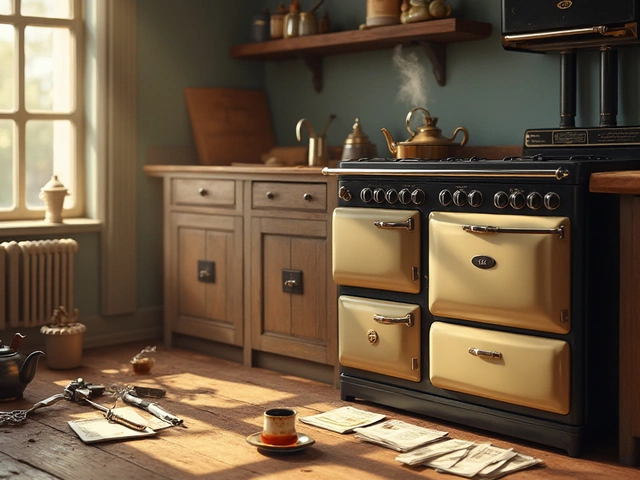
Navigating the world of cooker repair can seem daunting, but armed with the right knowledge, it becomes manageable. This article explores common issues faced by cookers, signs that suggest whether repair is possible, and steps on how to approach fixing these vital kitchen appliances. By identifying whether a do-it-yourself fix is feasible or when to call in a professional, you can make informed decisions about your cooker. Learn about maintenance tips to prolong the life of your cooker and keep it working efficiently.
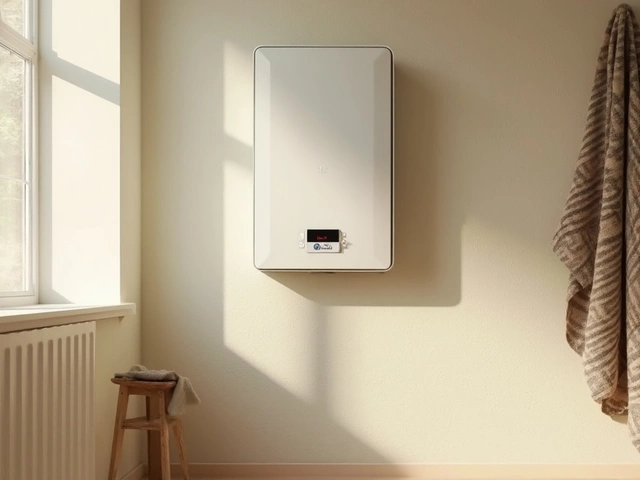
Troubles with your water heater might mean it needs a reset. Knowing when and how to reset it can prevent cold showers and unnecessary stress. This guide covers signs your water heater needs resetting, why it's important, and how to do it safely. Plus, learn some handy maintenance tips to keep it running smoothly.